






Featured Pathways

More pathways

The Science of Climate Change

Climate change is no longer a distant threat or just a possibility, it is now a reality for all of us. In this pathway, Kevin Trenberth, a renowned climatologist, delves into the science behind climate change. He first introduces the climate system, its main components and forces.

Tackling the Plastic Crisis

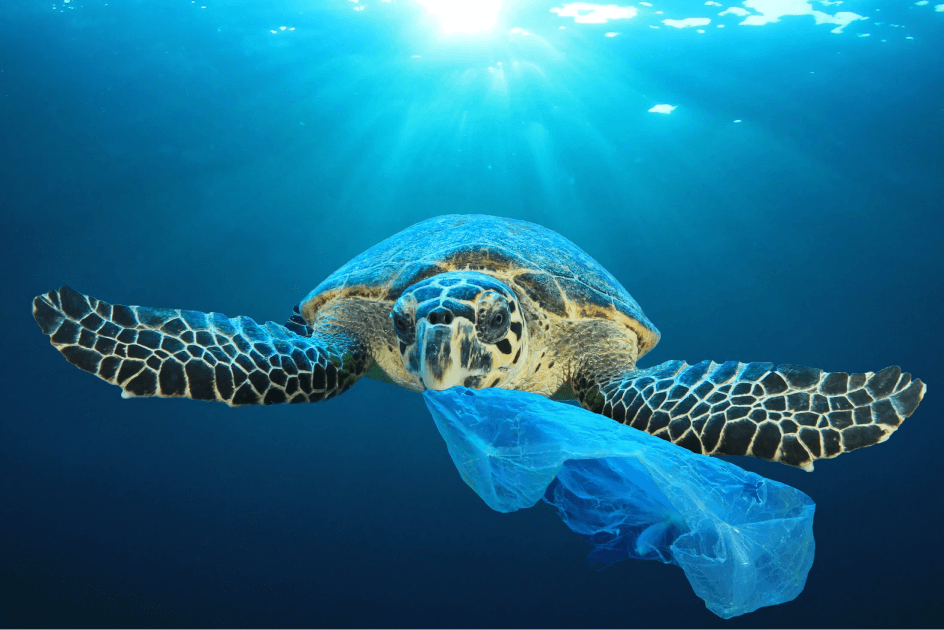
Plastic pollution is by far the biggest threat to our oceans and this remains an incredibly tough problem to solve. Plastic credits could potentially serve as one of the much needed solutions for this crisis.

More pathways

Book a demo

Ready to get started?

Our Platform

Expert led content

+1,000 expert presented, on-demand video modules

Learning analytics

Keep track of learning progress with our comprehensive data

Interactive learning

Engage with our video hotspots and knowledge check-ins

Testing & certification

Gain CPD / CPE credits and professional certification

Managed learning

Build, scale and manage your organisation’s learning

Integrations

Connect Sustainability Unlocked to your current platform

Featured Content

More featured content

The Scale of the Net Zero Challenge

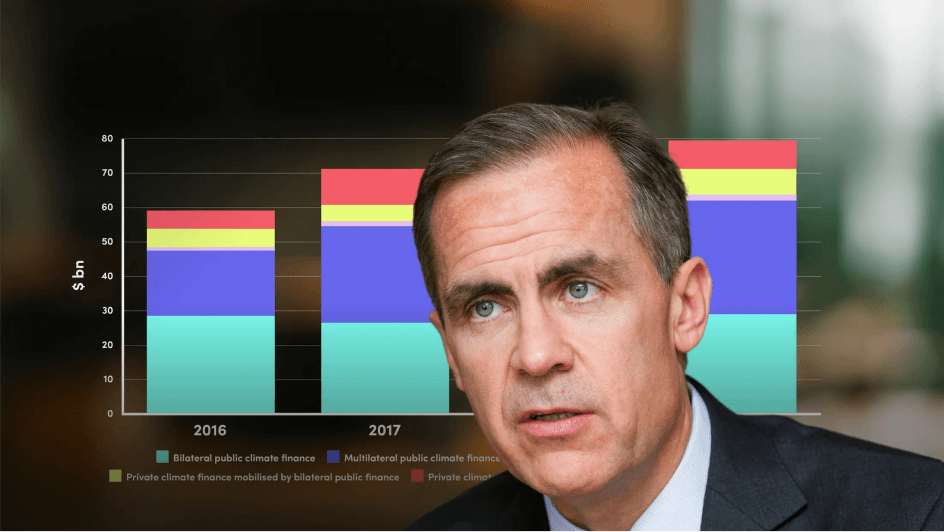
The price of meeting net zero is estimated to be between $100-150 trillion over the next 30 years. Regardless of this cost, we need to reach net zero before climate change does irreversible damage to the environment and the economy.

ESG, Sustainability and Impact Jargon Buster

ESG, sustainability, impact… they all just mean green, right? Not quite. Despite being used often interchangeably, there are distinct differences between these terms.

More featured content

Book a demo

Ready to get started?

Featured Pathways

More pathways

The Science of Climate Change

Climate change is no longer a distant threat or just a possibility, it is now a reality for all of us. In this pathway, Kevin Trenberth, a renowned climatologist, delves into the science behind climate change. He first introduces the climate system, its main components and forces.

Tackling the Plastic Crisis

Plastic pollution is by far the biggest threat to our oceans and this remains an incredibly tough problem to solve. Plastic credits could potentially serve as one of the much needed solutions for this crisis.

More pathways

Book a demo

Ready to get started?

Our Platform

Expert led content

+1,000 expert presented, on-demand video modules

Learning analytics

Keep track of learning progress with our comprehensive data

Interactive learning

Engage with our video hotspots and knowledge check-ins

Testing & certification

Gain CPD / CPE credits and professional certification

Managed learning

Build, scale and manage your organisation’s learning

Integrations

Connect Sustainability Unlocked to your current platform

Featured Content

More featured content

The Scale of the Net Zero Challenge

The price of meeting net zero is estimated to be between $100-150 trillion over the next 30 years. Regardless of this cost, we need to reach net zero before climate change does irreversible damage to the environment and the economy.

ESG, Sustainability and Impact Jargon Buster

ESG, sustainability, impact… they all just mean green, right? Not quite. Despite being used often interchangeably, there are distinct differences between these terms.

More featured content

Book a demo

Ready to get started?

Book a demo

Ready to get started?

How to Improve Industrial Energy Efficiency

How to Improve Industrial Energy Efficiency

Michelle Horsfield

25 years: Sustainable Finance

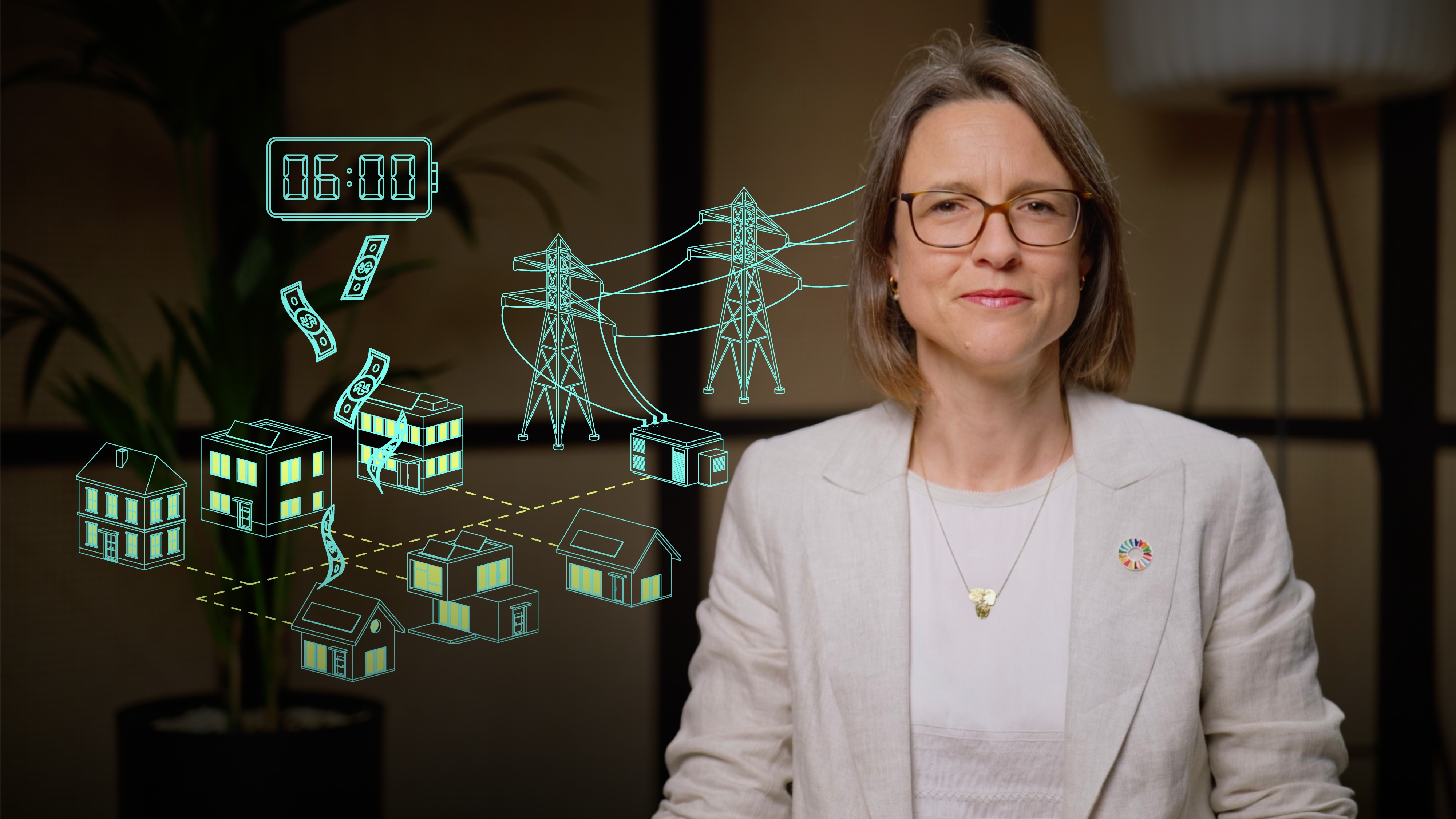
Industrial energy efficiency starts with understanding how energy is used and wasted. Join Michelle Horsfield as she explains how audits, operational insight and targeted investment can cut costs, reduce emissions and deliver meaningful impact.

Industrial energy efficiency starts with understanding how energy is used and wasted. Join Michelle Horsfield as she explains how audits, operational insight and targeted investment can cut costs, reduce emissions and deliver meaningful impact.

Subscribe to watch

Access this and all of the content on our platform by signing up for a 7-day free trial.

How to Improve Industrial Energy Efficiency

3 mins 44 secs

Key learning objectives:

  • Understand how energy audits identify efficiency opportunities in industrial settings

  • Distinguish between low-cost operational fixes and capital-intensive upgrades

  • Recognise why industrial efficiency is critical to meeting global climate goals

Overview:

Industrial energy efficiency is one of the fastest and most cost-effective ways to cut emissions. By combining engineering insight, operational knowledge and clear ownership, organisations can unlock significant savings using existing technology. The scale of the opportunity makes efficiency a core pillar of the energy transition.

Subscribe to watch

Access this and all of the content on our platform by signing up for a 7-day free trial.

Summary
How can industrial sites identify energy efficiency opportunities?
Energy audits are the starting point. They combine technical analysis with practical input from operators who understand how systems actually run. This approach reveals where energy is wasted, highlights quick wins, and surfaces larger improvement opportunities.

What types of efficiency measures typically emerge?
Opportunities usually range from simple operational changes, such as switching off unnecessary equipment, to larger investments like upgrading motors, tools or on-site generation. Many low-cost actions can be implemented immediately, while capital projects are planned into longer-term business cycles.

Why is industrial energy efficiency so important?
Efficiency reduces energy demand before new supply is needed. Modelling by the International Energy Agency shows that existing, cost-effective efficiency measures could deliver a large share of the emissions reductions required to meet global climate targets. This makes industrial efficiency essential, not optional.

Subscribe to watch

Access this and all of the content on our platform by signing up for a 7-day free trial.

Michelle Horsfield

Michelle Horsfield

Michelle Horsfield, an environmental scientist with a climate change specialisation, transitioned into the financial sector four years ago to apply her knowledge to the largest reallocation of capital in history, as the economy moves towards a lower carbon future.

There are no available Videos from "Michelle Horsfield"