





Featured Pathways

More pathways

The Science of Climate Change

Climate change is no longer a distant threat or just a possibility, it is now a reality for all of us. In this pathway, Kevin Trenberth, a renowned climatologist, delves into the science behind climate change. He first introduces the climate system, its main components and forces.

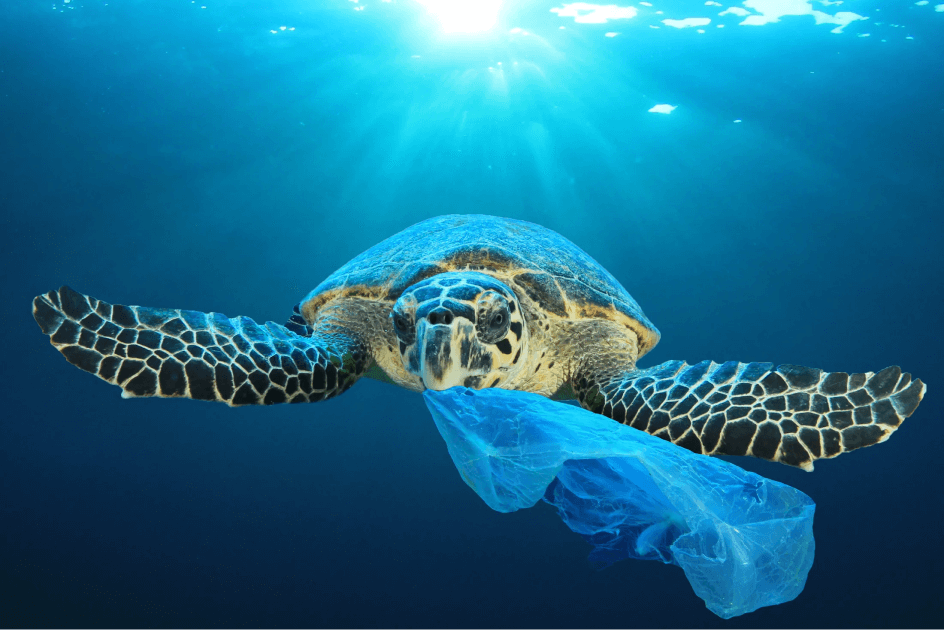
Tackling the Plastic Crisis

Plastic pollution is by far the biggest threat to our oceans and this remains an incredibly tough problem to solve. Plastic credits could potentially serve as one of the much needed solutions for this crisis.

More pathways

Book a demo

Ready to get started?

Our Platform

Expert led content

+1,000 expert presented, on-demand video modules

Learning analytics

Keep track of learning progress with our comprehensive data

Interactive learning

Engage with our video hotspots and knowledge check-ins

Testing & certification

Gain CPD / CPE credits and professional certification

Managed learning

Build, scale and manage your organisation’s learning

Integrations

Connect Sustainability Unlocked to your current platform

Featured Content

More featured content

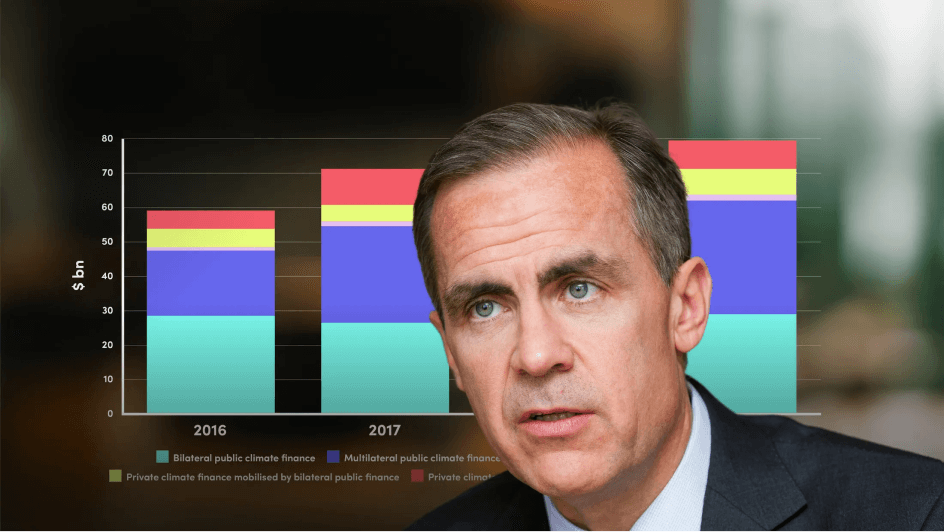
The Scale of the Net Zero Challenge

The price of meeting net zero is estimated to be between $100-150 trillion over the next 30 years. Regardless of this cost, we need to reach net zero before climate change does irreversible damage to the environment and the economy.

ESG, Sustainability and Impact Jargon Buster

ESG, sustainability, impact… they all just mean green, right? Not quite. Despite being used often interchangeably, there are distinct differences between these terms.

More featured content

Book a demo

Ready to get started?

Book a demo

Ready to get started?

Which Fleets Should Electrify First

Which Fleets Should Electrify First

Wesley Herche

Decarbonisation Specialist

Sectors electrifying the fastest have two things in common: known routes and predictable volumes.

Sectors electrifying the fastest have two things in common: known routes and predictable volumes.

Subscribe to watch

Access this and all of the content on our platform by signing up for a 7-day free trial.
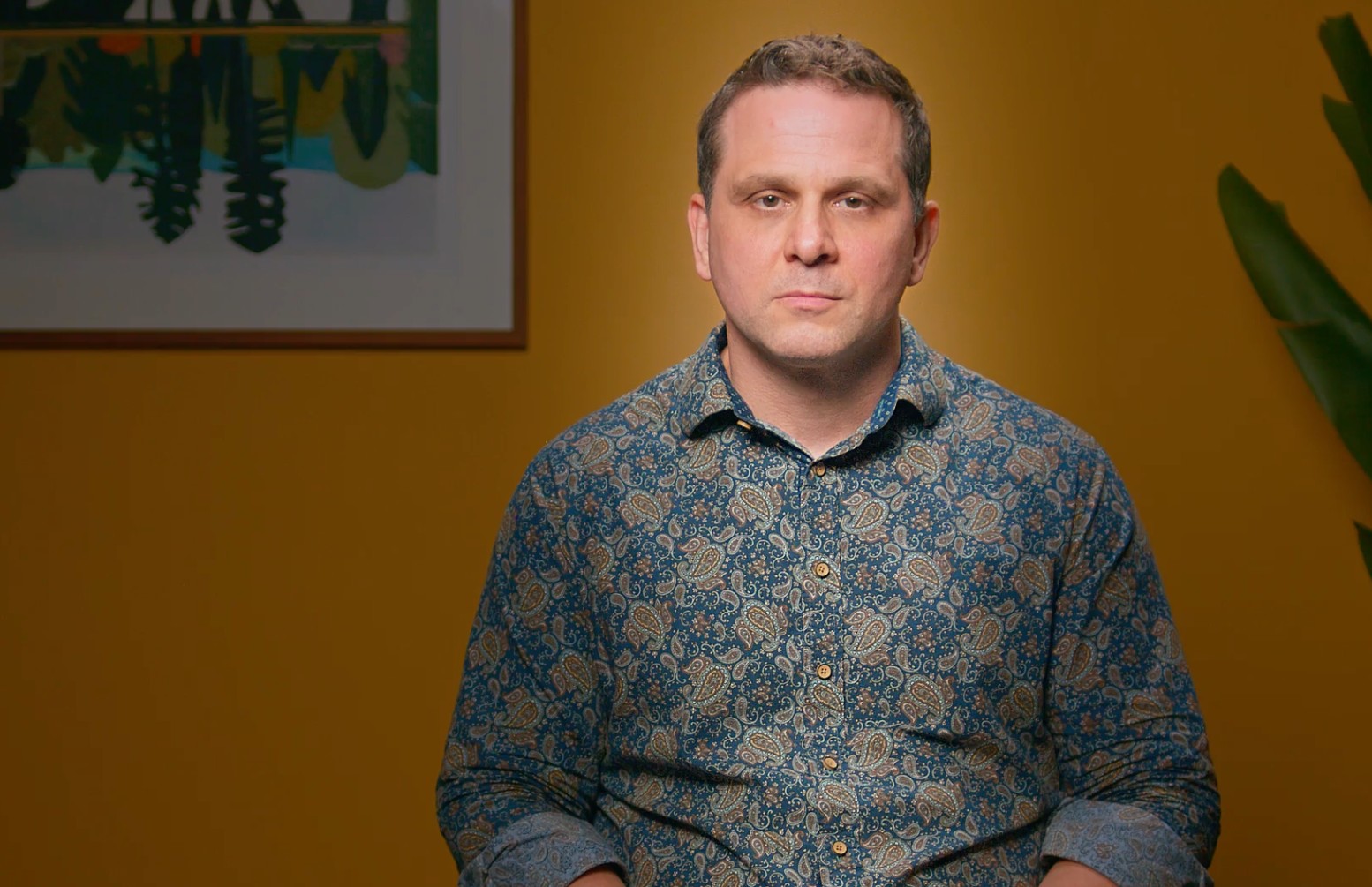
Which Fleets Should Electrify First

1 min 11 secs

Key learning objectives:

  • Identify where fleet electrification is growing

  • Understand why certain fleets are electrifying faster

Overview:

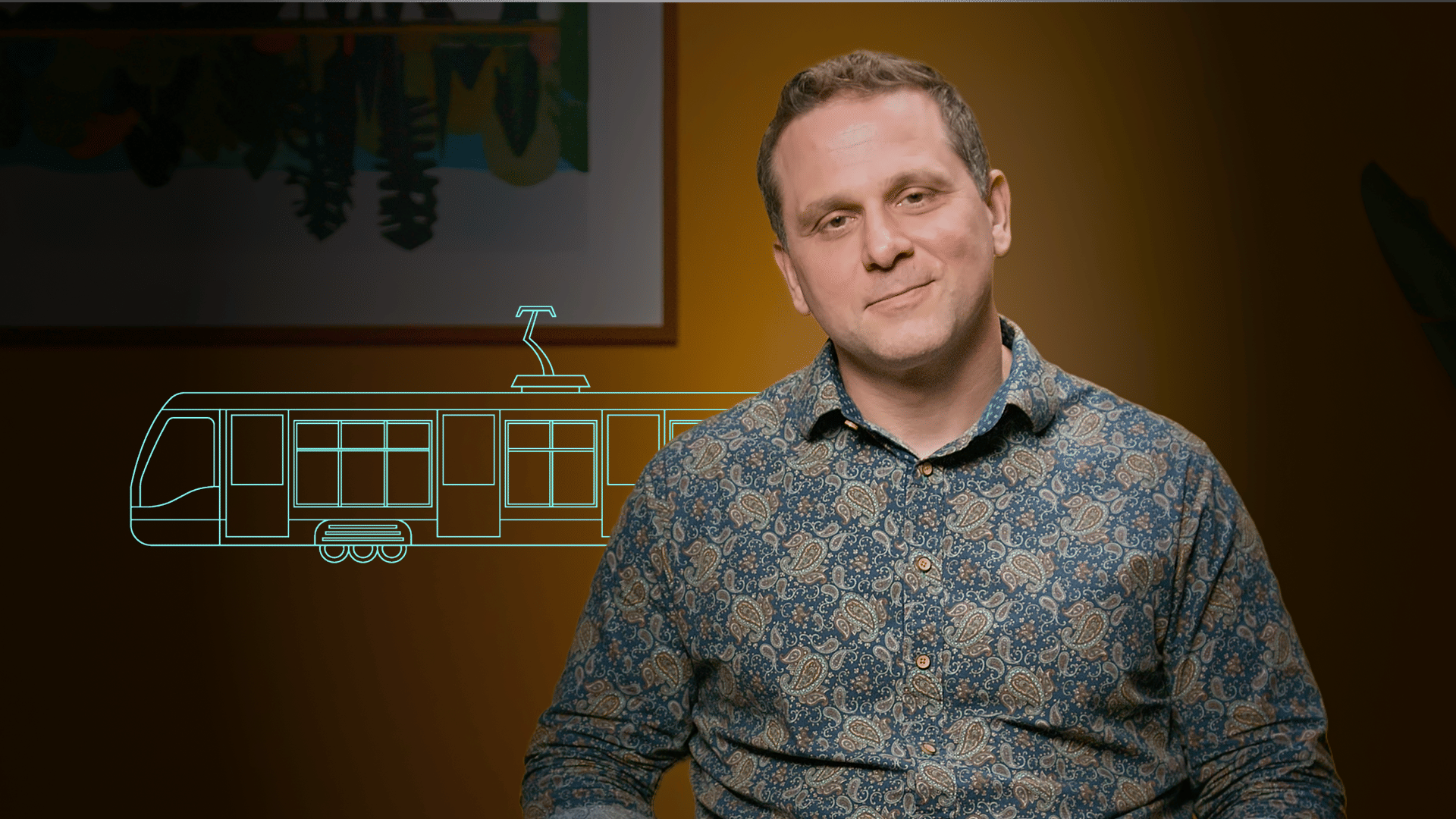
Fleet electrification is growing fastest in last-mile logistics, middle-mile logistics, drayage logistics and public transit and passenger fleets. These fleets typically operate on known routes with predictable volumes, making their charging and battery-range requirements easier to manage. 

Subscribe to watch

Access this and all of the content on our platform by signing up for a 7-day free trial.

Summary
Where is fleet electrification growing fastest?
  • Last-mile logistics: small trucks, vans and vehicles making local deliveries to homes and businesses
  • Middle-mile logistics: heavy-duty and freight trucks moving goods between warehouses
  • Drayage logistics: short-haul trucks moving cargo between ports or rail terminals and nearby warehouses
  • Public transit and passenger fleets: including municipal buses, autonomous ride-hauling vehicles and other passenger-focused operations

Why are certain fleets electrifying faster than others?
These fleets typically operate on known routes with predictable volumes, making their charging and battery-range requirements easier to manage. Fleet operators can also often use overnight charging, when electricity rates are often lower. As a result, the commercial case for electrification is already strong.

Subscribe to watch

Access this and all of the content on our platform by signing up for a 7-day free trial.

Wesley Herche

Wesley Herche

Dr. Wesley Herche is an energy and sustainability executive. He spent the first half of his career as an intelligence officer for the US government that had deployed to battlefields to navigate high-stakes uncertainty. He uses many of those same skillsets to help organisations and other practitioners drive competitive advantage through energy and sustainability strategy.

There are no available Videos from "Wesley Herche"