







Featured Pathways

More pathways

The Science of Climate Change

Climate change is no longer a distant threat or just a possibility, it is now a reality for all of us. In this pathway, Kevin Trenberth, a renowned climatologist, delves into the science behind climate change. He first introduces the climate system, its main components and forces.

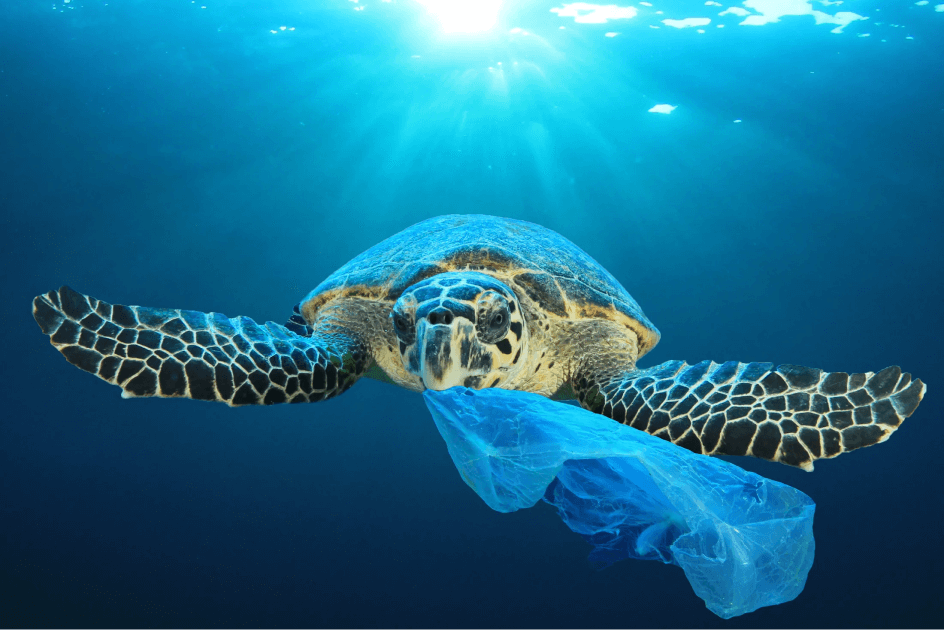
Tackling the Plastic Crisis

Plastic pollution is by far the biggest threat to our oceans and this remains an incredibly tough problem to solve. Plastic credits could potentially serve as one of the much needed solutions for this crisis.

More pathways

Book a demo

Ready to get started?

Our Platform

Expert led content

+1,000 expert presented, on-demand video modules

Learning analytics

Keep track of learning progress with our comprehensive data

Interactive learning

Engage with our video hotspots and knowledge check-ins

Testing & certification

Gain CPD / CPE credits and professional certification

Managed learning

Build, scale and manage your organisation’s learning

Integrations

Connect Sustainability Unlocked to your current platform

Featured Content

More featured content

The Scale of the Net Zero Challenge

The price of meeting net zero is estimated to be between $100-150 trillion over the next 30 years. Regardless of this cost, we need to reach net zero before climate change does irreversible damage to the environment and the economy.

ESG, Sustainability and Impact Jargon Buster

ESG, sustainability, impact… they all just mean green, right? Not quite. Despite being used often interchangeably, there are distinct differences between these terms.

More featured content

Book a demo

Ready to get started?

Book a demo

Ready to get started?

Where AI in Sustainability Can Go Wrong

Where AI in Sustainability Can Go Wrong

Learning Adviser

xUnlocked Learning Team

AI can accelerate sustainability work, but it can also introduce new risks. Explore five practical challenges, from data quality and bias to AI's environmental footprint and greenwashing.

AI can accelerate sustainability work, but it can also introduce new risks. Explore five practical challenges, from data quality and bias to AI's environmental footprint and greenwashing.

Subscribe to watch

Access this and all of the content on our platform by signing up for a 7-day free trial.

Where AI in Sustainability Can Go Wrong

1 min 30 secs

Key learning objectives:

  • Recognise key risks associated with using AI for sustainability

  • Identify practical ways to reduce risks around data, bias, environmental impact and overreliance

  • Apply appropriate challenge and verification to AI-generated sustainability claims and outputs

Overview:

AI does not remove the risks already present in sustainability work. In some cases, it can amplify them. Poor data can produce precise-looking but unreliable outputs, biased information can reinforce existing blind spots, and overreliance can weaken professional challenge. AI also creates its own environmental footprint, while polished but unsupported outputs can increase greenwashing risk.

The answer is not to avoid AI, but to become a critical, informed user who understands the risks, maintains human oversight and demands evidence behind important claims.

Subscribe to watch

Access this and all of the content on our platform by signing up for a 7-day free trial.

Summary
What happens when AI works with weak sustainability data?
AI can produce outputs that appear precise even when the underlying information is incomplete, inconsistent or based on estimates and proxies. Understanding data lineage and making assumptions explicit are therefore essential when using AI for sustainability analysis.

How can a technology designed to support sustainability create environmental impacts?
AI systems require significant computing resources, with data centres consuming energy and water. Responsible use means considering the footprint of the technology itself, choosing the right-sized model for the task and avoiding unnecessary AI use where simpler approaches are sufficient.

Why does representativeness matter in sustainability applications?
AI outputs can reflect the limitations of the data used to develop models. Data-rich regions, populations or supply-chain tiers may be better represented than others. Users should question whose perspectives are represented, identify potential gaps and sense-check results against local and lived experience.

Why is overreliance a sustainability risk?
If professionals stop challenging AI-generated conclusions, important evaluation skills can gradually weaken. Human oversight remains particularly important for consequential work, where AI should support analysis rather than replace professional judgement.

Why can polished AI-generated content create problems?
AI can generate sustainability claims that sound credible without having a sufficiently strong evidence base behind them. A polished statement is not proof of accuracy. Important claims must be traceable to verifiable data and sources.

Do these risks mean organisations should avoid AI?
No. They provide a practical watch-list for using AI responsibly. The goal is neither to reject the technology nor to adopt it uncritically, but to develop the judgement and controls needed to capture its value while managing its limitations.

Subscribe to watch

Access this and all of the content on our platform by signing up for a 7-day free trial.

There are no available Videos from "Learning Adviser"