








Featured Pathways

More pathways

The Science of Climate Change

Climate change is no longer a distant threat or just a possibility, it is now a reality for all of us. In this pathway, Kevin Trenberth, a renowned climatologist, delves into the science behind climate change. He first introduces the climate system, its main components and forces.

Tackling the Plastic Crisis

Plastic pollution is by far the biggest threat to our oceans and this remains an incredibly tough problem to solve. Plastic credits could potentially serve as one of the much needed solutions for this crisis.

More pathways

Book a demo

Ready to get started?

Our Platform

Expert led content

+1,000 expert presented, on-demand video modules

Learning analytics

Keep track of learning progress with our comprehensive data

Interactive learning

Engage with our video hotspots and knowledge check-ins

Testing & certification

Gain CPD / CPE credits and professional certification

Managed learning

Build, scale and manage your organisation’s learning

Integrations

Connect Sustainability Unlocked to your current platform

Featured Content

More featured content

The Scale of the Net Zero Challenge

The price of meeting net zero is estimated to be between $100-150 trillion over the next 30 years. Regardless of this cost, we need to reach net zero before climate change does irreversible damage to the environment and the economy.

ESG, Sustainability and Impact Jargon Buster

ESG, sustainability, impact… they all just mean green, right? Not quite. Despite being used often interchangeably, there are distinct differences between these terms.

More featured content

Book a demo

Ready to get started?

Book a demo

Ready to get started?

What Supply Chain Leaders Do

What Supply Chain Leaders Do

Wesley Herche

Decarbonisation Specialist

If you want to be a leader, you have to think differently about supply chain decarbonisation.

If you want to be a leader, you have to think differently about supply chain decarbonisation.

Subscribe to watch

Access this and all of the content on our platform by signing up for a 7-day free trial.
What Supply Chain Leaders Do

1 min 24 secs

Key learning objectives:

  • Understand why some organisations make progress while others don’t

  • Outline common mistakes in supply chain management

Overview:

The most successful organisations treat embodied carbon as a commercial performance specification rather than a passive reporting requirement. The primary mistake is framing decarbonisation as an administrative reporting exercise rather than a core commercial variable. 

Subscribe to watch

Access this and all of the content on our platform by signing up for a 7-day free trial.

Summary
Why do some organisations capture value from supply chain decarbonisation while others do not?
The most successful organisations treat embodied carbon as a commercial performance specification rather than a passive reporting requirement. When carbon reduction is contractually required, measured, and third-party assured, suppliers respond by engineering lower fossil fuel inputs. This creates a mutual win: the buyer lowers their cost structure while the supplier gains a competitive commercial differentiator to win new business.

What are the common mistakes organisations make in supply chain management?
The primary mistake is framing decarbonisation as an administrative reporting exercise rather than a core commercial variable. Furthermore, organisations rely on the wrong internal drivers to engage suppliers; while sustainability managers are often tasked with this, it is actually the supplier's account executive (whose job depends on buyer satisfaction) who drives real momentum when they recognise low embodied carbon as a commercial lever.

Subscribe to watch

Access this and all of the content on our platform by signing up for a 7-day free trial.

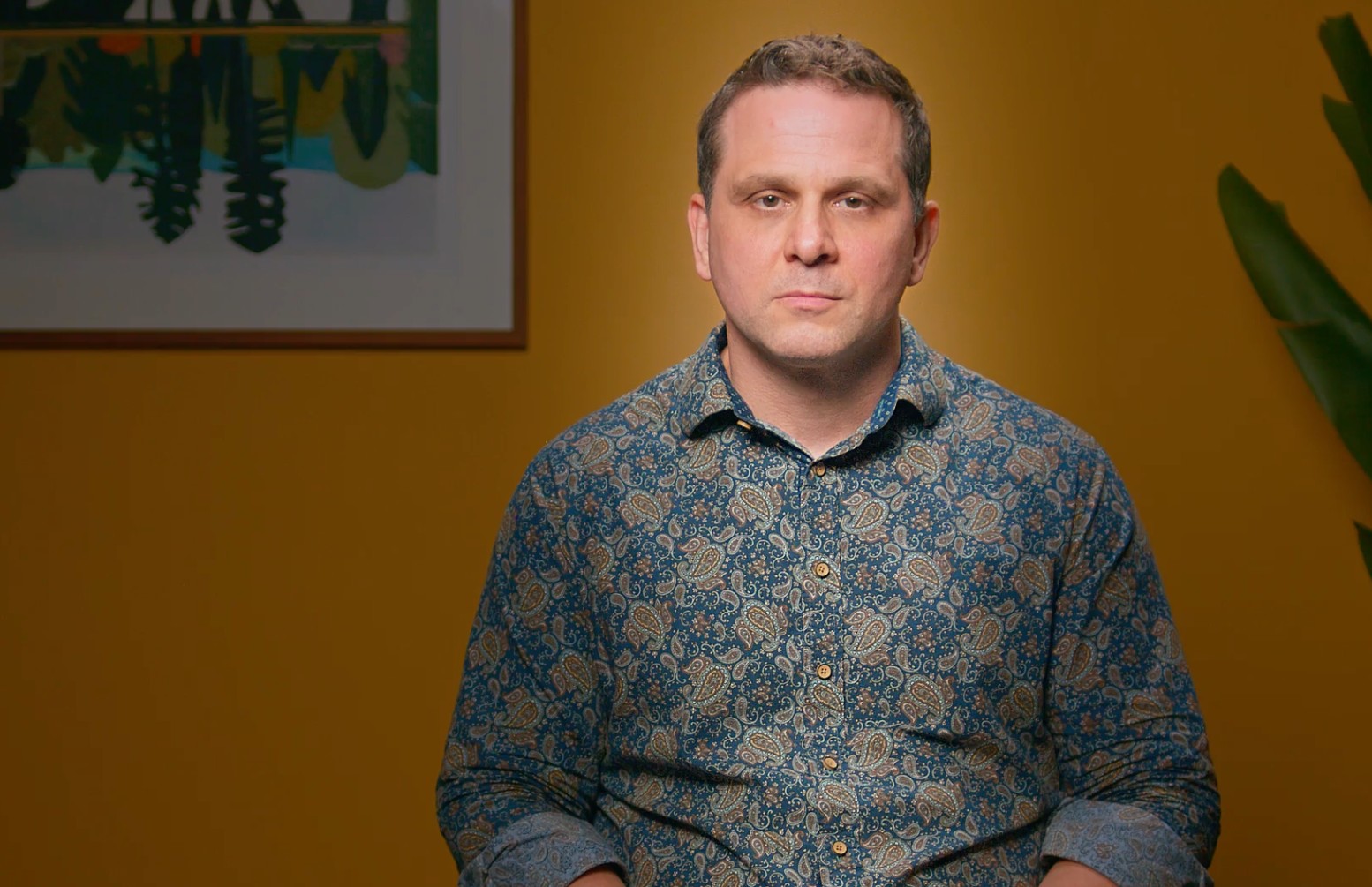
Wesley Herche

Wesley Herche

Dr. Wesley Herche is an energy and sustainability executive. He spent the first half of his career as an intelligence officer for the US government that had deployed to battlefields to navigate high-stakes uncertainty. He uses many of those same skillsets to help organisations and other practitioners drive competitive advantage through energy and sustainability strategy.

There are no available Videos from "Wesley Herche"