







Featured Pathways

More pathways

The Science of Climate Change

Climate change is no longer a distant threat or just a possibility, it is now a reality for all of us. In this pathway, Kevin Trenberth, a renowned climatologist, delves into the science behind climate change. He first introduces the climate system, its main components and forces.

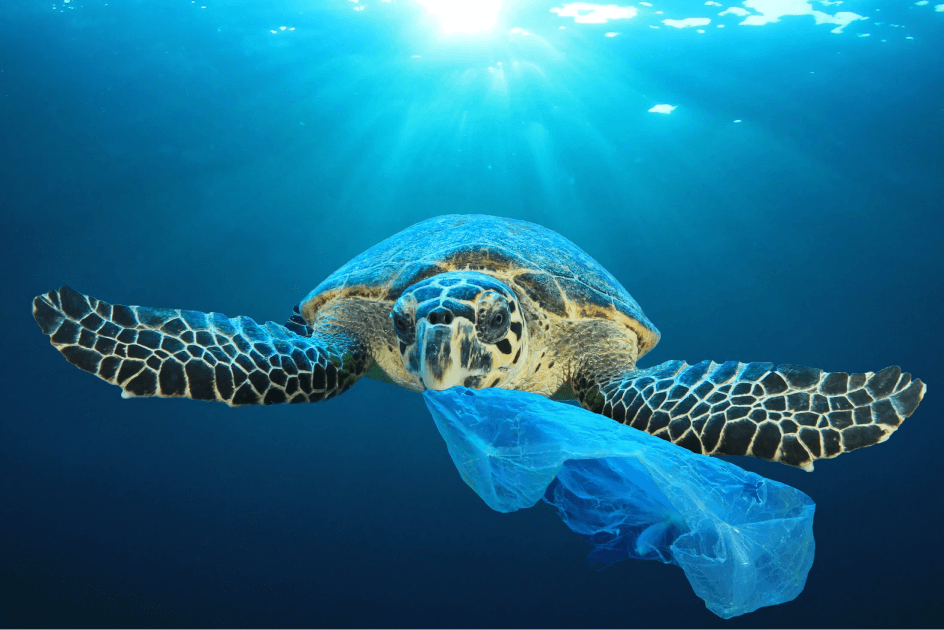
Tackling the Plastic Crisis

Plastic pollution is by far the biggest threat to our oceans and this remains an incredibly tough problem to solve. Plastic credits could potentially serve as one of the much needed solutions for this crisis.

More pathways

Book a demo

Ready to get started?

Our Platform

Expert led content

+1,000 expert presented, on-demand video modules

Learning analytics

Keep track of learning progress with our comprehensive data

Interactive learning

Engage with our video hotspots and knowledge check-ins

Testing & certification

Gain CPD / CPE credits and professional certification

Managed learning

Build, scale and manage your organisation’s learning

Integrations

Connect Sustainability Unlocked to your current platform

Featured Content

More featured content

The Scale of the Net Zero Challenge

The price of meeting net zero is estimated to be between $100-150 trillion over the next 30 years. Regardless of this cost, we need to reach net zero before climate change does irreversible damage to the environment and the economy.

ESG, Sustainability and Impact Jargon Buster

ESG, sustainability, impact… they all just mean green, right? Not quite. Despite being used often interchangeably, there are distinct differences between these terms.

More featured content

Book a demo

Ready to get started?

Featured Pathways

More pathways

The Science of Climate Change

Climate change is no longer a distant threat or just a possibility, it is now a reality for all of us. In this pathway, Kevin Trenberth, a renowned climatologist, delves into the science behind climate change. He first introduces the climate system, its main components and forces.

Tackling the Plastic Crisis

Plastic pollution is by far the biggest threat to our oceans and this remains an incredibly tough problem to solve. Plastic credits could potentially serve as one of the much needed solutions for this crisis.

More pathways

Book a demo

Ready to get started?

Our Platform

Expert led content

+1,000 expert presented, on-demand video modules

Learning analytics

Keep track of learning progress with our comprehensive data

Interactive learning

Engage with our video hotspots and knowledge check-ins

Testing & certification

Gain CPD / CPE credits and professional certification

Managed learning

Build, scale and manage your organisation’s learning

Integrations

Connect Sustainability Unlocked to your current platform

Featured Content

More featured content

The Scale of the Net Zero Challenge

The price of meeting net zero is estimated to be between $100-150 trillion over the next 30 years. Regardless of this cost, we need to reach net zero before climate change does irreversible damage to the environment and the economy.

ESG, Sustainability and Impact Jargon Buster

ESG, sustainability, impact… they all just mean green, right? Not quite. Despite being used often interchangeably, there are distinct differences between these terms.

More featured content

Book a demo

Ready to get started?

Book a demo

Ready to get started?

What Are the Factors Leading to Climate Change?

What Are the Factors Leading to Climate Change?

Liz Bentley

Chief Executive at Royal Meteorological Society

Climate change is not a distant threat anymore. Join Liz Bentley as she explains what are the factors that have created this crisis.

Climate change is not a distant threat anymore. Join Liz Bentley as she explains what are the factors that have created this crisis.

Subscribe to watch

Access this and all of the content on our platform by signing up for a 7-day free trial.

What Are the Factors Leading to Climate Change?

2 mins 43 secs

Key learning objectives:

  • Identify the factors causing climate change

Overview:

Human activities are the primary driver of climate change, increasing greenhouse gas concentrations that trap heat and warm the planet. Understanding natural influences—such as changes in solar activity, Earth’s orbit, volcanic activity, and aerosols—helps explain why they cannot account for the rapid warming observed over the past 150 years. Human-driven emissions and land-use changes are central to understanding the causes of climate change. Liz Bentley explains these factors and makes clear that greenhouse gas emissions are the dominant cause of recent warming.

Subscribe to watch

Access this and all of the content on our platform by signing up for a 7-day free trial.

Summary
What are the factors causing climate change?
Human activities are responsible for nearly all of the increase in greenhouse gases in the atmosphere over the past 150 years. These greenhouse gases trap heat and warm the planet, a phenomenon known as the greenhouse effect. Key human-driven factors include:
  • The rising concentration of greenhouse gases due to activities like burning fossil fuels and deforestation.
  • Land use changes, such as converting dark forests into paler pastures, which reflect more sunlight and contribute to cooling.
  • Ozone formed near the surface from pollution, which adds a small warming effect.

Can natural factors explain the recent rapid warming of the Earth’s climate?
There are several natural factors known to influence climate, but none can fully explain the significant warming seen in recent times:
  • The sun plays a fundamental role in Earth’s climate, but changes in solar activity like solar flares have very little impact on the recent warming.
  • Subtle changes in Earth’s orbit around the sun, known as Milankovitch cycles, have been responsible for past ice ages but do not explain rapid warming over the last 150 years.
  • Volcanic eruptions release greenhouse gases that cause minor warming; however, they also emit sulphur dioxide in ash clouds, which block sunlight and produce temporary cooling effects lasting years.
  • Aerosols, tiny particles of gases and pollution, reflect sunlight back into space and reduce warming. These can be natural or caused by human pollution.

Why is the rising concentration of greenhouse gases the main cause of global warming?
The key reason for global warming is the increase in greenhouse gases caused by human activity. This rise in greenhouse gases enhances the natural greenhouse effect, trapping more heat in the atmosphere and raising Earth's temperature. When comparing all human and natural factors, it becomes clear that human-driven emissions dominate as the largest cause of climate change.

Subscribe to watch

Access this and all of the content on our platform by signing up for a 7-day free trial.

Liz Bentley

Liz Bentley

Liz Bentley is the Chief Executive of the Royal Meteorological Society. Her career in meteorology spans over 30 years and she has worked at the Met Office, BBC, and in Government. She is a regular contributor to the major broadcasters, and a visiting professor at the University of Reading.

There are no available Videos from "Liz Bentley"