





Featured Pathways

More pathways

The Science of Climate Change

Climate change is no longer a distant threat or just a possibility, it is now a reality for all of us. In this pathway, Kevin Trenberth, a renowned climatologist, delves into the science behind climate change. He first introduces the climate system, its main components and forces.

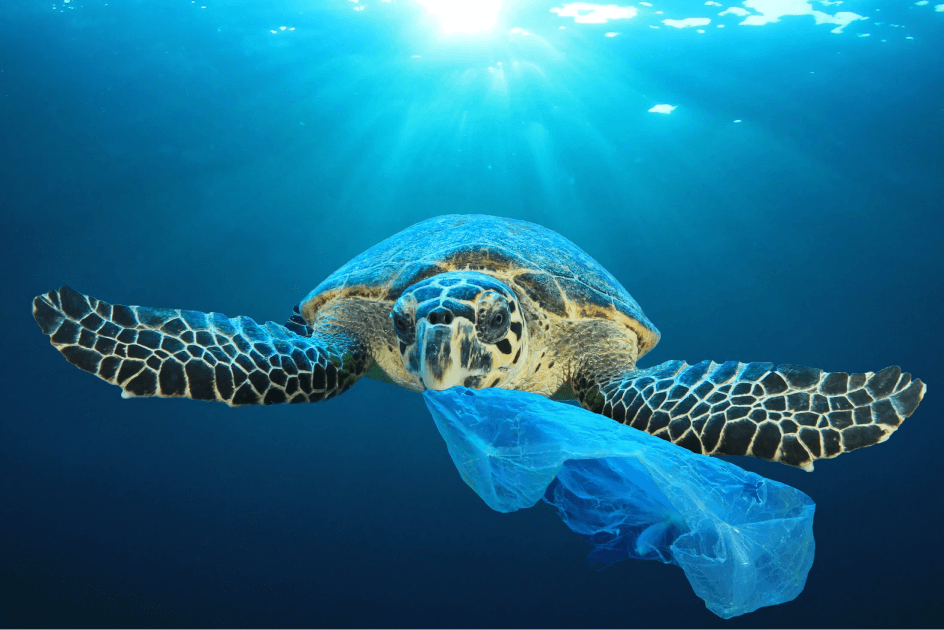
Tackling the Plastic Crisis

Plastic pollution is by far the biggest threat to our oceans and this remains an incredibly tough problem to solve. Plastic credits could potentially serve as one of the much needed solutions for this crisis.

More pathways

Book a demo

Ready to get started?

Our Platform

Expert led content

+1,000 expert presented, on-demand video modules

Learning analytics

Keep track of learning progress with our comprehensive data

Interactive learning

Engage with our video hotspots and knowledge check-ins

Testing & certification

Gain CPD / CPE credits and professional certification

Managed learning

Build, scale and manage your organisation’s learning

Integrations

Connect Sustainability Unlocked to your current platform

Featured Content

More featured content

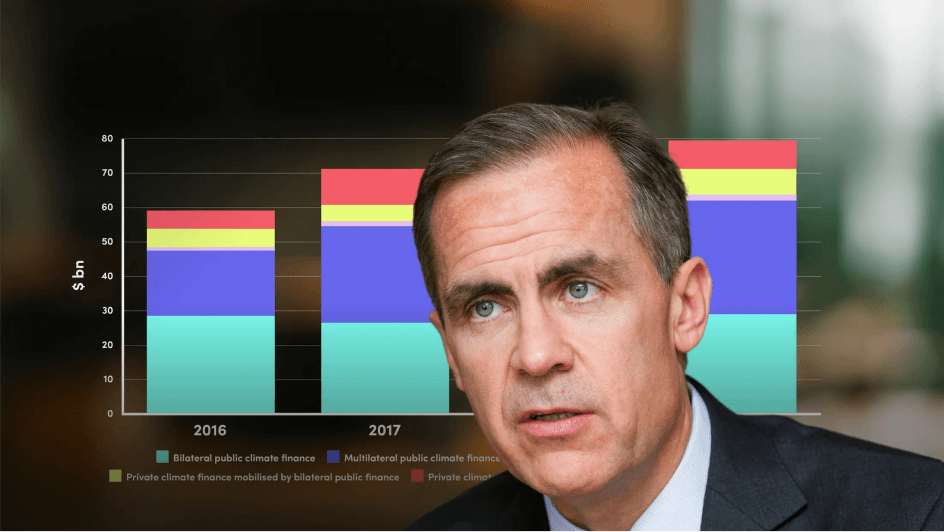
The Scale of the Net Zero Challenge

The price of meeting net zero is estimated to be between $100-150 trillion over the next 30 years. Regardless of this cost, we need to reach net zero before climate change does irreversible damage to the environment and the economy.

ESG, Sustainability and Impact Jargon Buster

ESG, sustainability, impact… they all just mean green, right? Not quite. Despite being used often interchangeably, there are distinct differences between these terms.

More featured content

Book a demo

Ready to get started?

Featured Pathways

More pathways

The Science of Climate Change

Climate change is no longer a distant threat or just a possibility, it is now a reality for all of us. In this pathway, Kevin Trenberth, a renowned climatologist, delves into the science behind climate change. He first introduces the climate system, its main components and forces.

Tackling the Plastic Crisis

Plastic pollution is by far the biggest threat to our oceans and this remains an incredibly tough problem to solve. Plastic credits could potentially serve as one of the much needed solutions for this crisis.

More pathways

Book a demo

Ready to get started?

Our Platform

Expert led content

+1,000 expert presented, on-demand video modules

Learning analytics

Keep track of learning progress with our comprehensive data

Interactive learning

Engage with our video hotspots and knowledge check-ins

Testing & certification

Gain CPD / CPE credits and professional certification

Managed learning

Build, scale and manage your organisation’s learning

Integrations

Connect Sustainability Unlocked to your current platform

Featured Content

More featured content

The Scale of the Net Zero Challenge

The price of meeting net zero is estimated to be between $100-150 trillion over the next 30 years. Regardless of this cost, we need to reach net zero before climate change does irreversible damage to the environment and the economy.

ESG, Sustainability and Impact Jargon Buster

ESG, sustainability, impact… they all just mean green, right? Not quite. Despite being used often interchangeably, there are distinct differences between these terms.

More featured content

Book a demo

Ready to get started?

Book a demo

Ready to get started?

Turn Your Pilot Project Into Policy

Turn Your Pilot Project Into Policy

Joi Danielson

System Change and Transformation Specialist

Governments face a lot of challenges and sometimes need a little help. Watch Joi Danielson as she explains how to work with governments to turn your project into policy.

Governments face a lot of challenges and sometimes need a little help. Watch Joi Danielson as she explains how to work with governments to turn your project into policy.

Subscribe to watch

Access this and all of the content on our platform by signing up for a 7-day free trial.

Turn Your Pilot Project Into Policy

9 mins 30 secs

Key learning objectives:

  • Outline the ACCA model

  • Explain the challenges governments face

  • Understand how plastic credits became political reality in Indonesia

Overview:

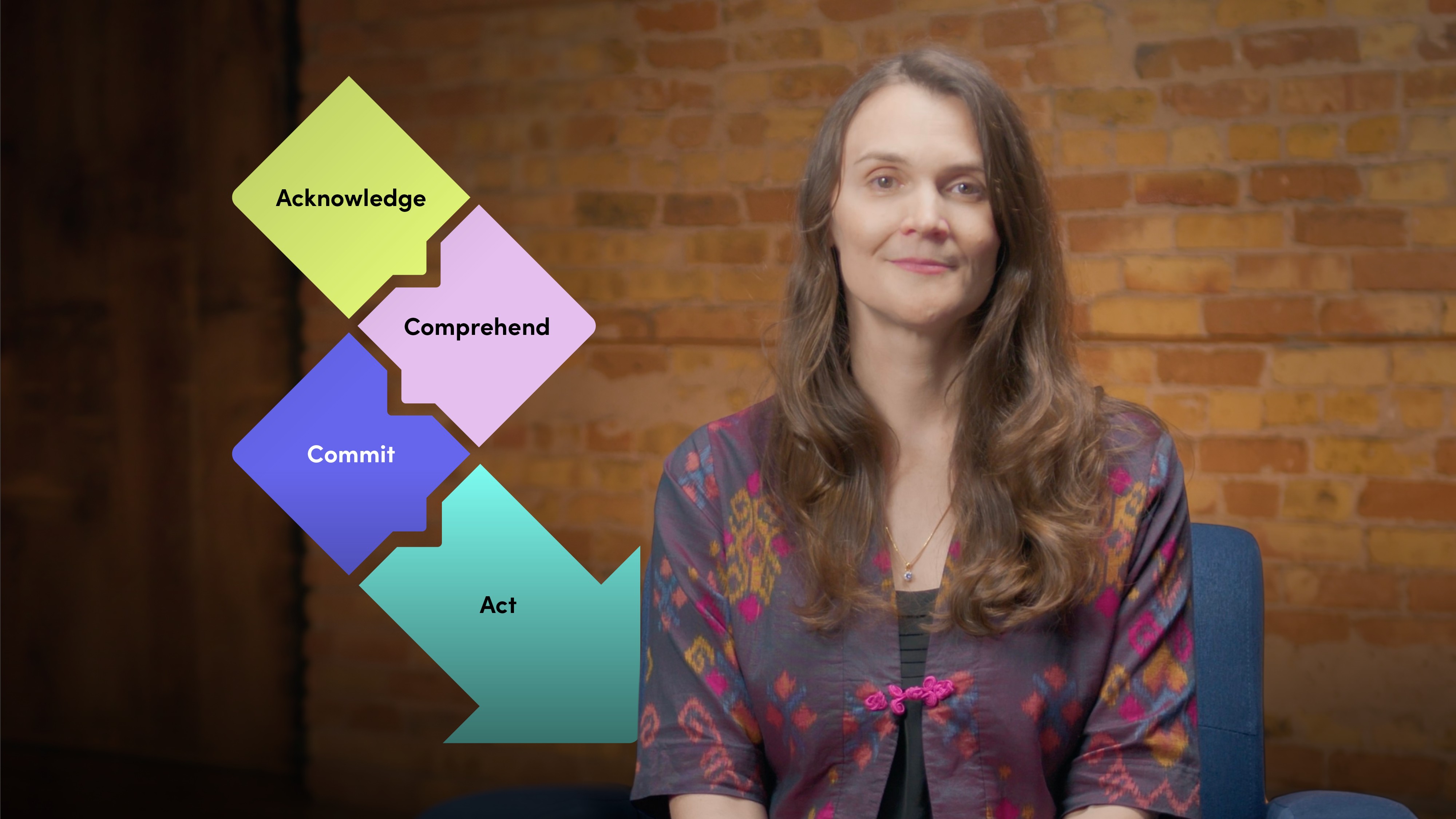
The ACCA model (acknowledge, comprehend, commit and act) is a mental framework for guiding decision-makers through the journey of adopting new policies. The idea is that most policy efforts fail not because the idea itself is flawed, but because we misread where decision-makers are in their own process. Government leaders generally want to solve problems, but they often face significant constraints. They need airtight data, tested models, coalition support, and clear alignment with their existing commitments.

Subscribe to watch

Access this and all of the content on our platform by signing up for a 7-day free trial.

Summary
What is the ACCA model and how does it guide policy implementation?
The ACCA model is a mental framework for guiding decision-makers through the journey of adopting new policies. The idea is that most policy efforts fail not because the idea itself is flawed, but because we misread where decision-makers are in their own process.
  • Acknowledge: Decision-makers first need to recognise that a problem exists, often supported by data, human stories, and urgency.
  • Comprehend: They then require time and support to fully understand the problem, the possible solutions, and the trade-offs involved.
  • Commit: After comprehension can they commit to a course of action and begin shaping the solution so it aligns with their context.
  • Act: They implement the solution with the right roadmaps, budgets, and partners.

What challenges do governments face when considering new policies?
Government leaders generally want to solve problems, but they often face significant constraints, such as:
  • Lack of clear understanding of available options
  • Limited credible evidence that solutions will work
  • The political risk associated with adopting new ideas, which can affect reputations and require the expenditure of political capital
Governments need airtight data, tested models, coalition support, and clear alignment with their existing commitments. Engaging governments is a process of partnership, not a transactional ask.

How did plastic credits become a political reality in Indonesia?
Indonesia’s Ministry of Environment and Forestry was sceptical due to past negative experiences with carbon credits, where international developers profited while local communities saw little benefit. Instead of pushing, the team listened, worked upstream with global standards and explored how these credits could fit within Indonesia’s legal and operational reality. By collaborating with a trusted legal firm, modelling the economic benefits for local governments and entrepreneurs, and running workshops to address concerns, the team gradually built understanding and trust. Eventually, the Ministry hosted a national workshop, opening the door for wider adoption of plastic credits across the country.

Subscribe to watch

Access this and all of the content on our platform by signing up for a 7-day free trial.

Joi Danielson

Joi Danielson

Joi Danielson is a transformation leader with over 15 years of experience driving complex, high-stakes system change. She began her career as a consultant at McKinsey, later became a Partner at Systemiq, and now serves as Managing Partner of Vital Ocean. Joi specialises in turning ambitious ideas into practical, lasting outcomes that deliver real impact at scale, while developing the leaders and partnerships needed to sustain that change.

There are no available Videos from "Joi Danielson"