







Featured Pathways

More pathways

The Science of Climate Change

Climate change is no longer a distant threat or just a possibility, it is now a reality for all of us. In this pathway, Kevin Trenberth, a renowned climatologist, delves into the science behind climate change. He first introduces the climate system, its main components and forces.

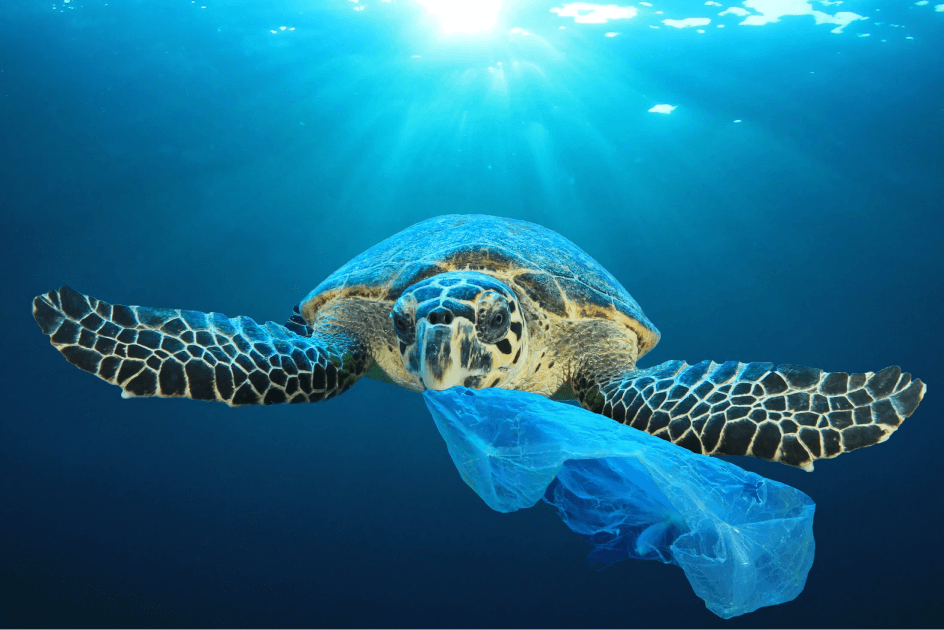
Tackling the Plastic Crisis

Plastic pollution is by far the biggest threat to our oceans and this remains an incredibly tough problem to solve. Plastic credits could potentially serve as one of the much needed solutions for this crisis.

More pathways

Book a demo

Ready to get started?

Our Platform

Expert led content

+1,000 expert presented, on-demand video modules

Learning analytics

Keep track of learning progress with our comprehensive data

Interactive learning

Engage with our video hotspots and knowledge check-ins

Testing & certification

Gain CPD / CPE credits and professional certification

Managed learning

Build, scale and manage your organisation’s learning

Integrations

Connect Sustainability Unlocked to your current platform

Featured Content

More featured content

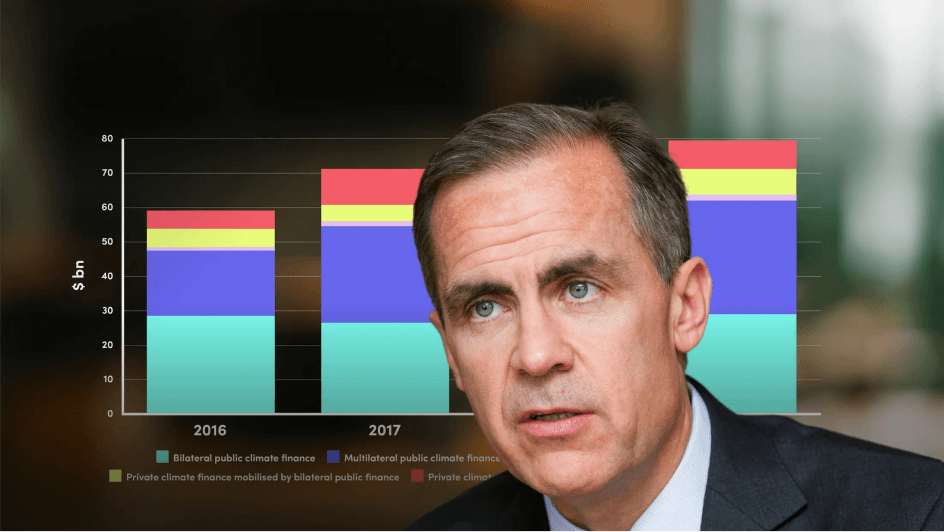
The Scale of the Net Zero Challenge

The price of meeting net zero is estimated to be between $100-150 trillion over the next 30 years. Regardless of this cost, we need to reach net zero before climate change does irreversible damage to the environment and the economy.

ESG, Sustainability and Impact Jargon Buster

ESG, sustainability, impact… they all just mean green, right? Not quite. Despite being used often interchangeably, there are distinct differences between these terms.

More featured content

Book a demo

Ready to get started?

Featured Pathways

More pathways

The Science of Climate Change

Climate change is no longer a distant threat or just a possibility, it is now a reality for all of us. In this pathway, Kevin Trenberth, a renowned climatologist, delves into the science behind climate change. He first introduces the climate system, its main components and forces.

Tackling the Plastic Crisis

Plastic pollution is by far the biggest threat to our oceans and this remains an incredibly tough problem to solve. Plastic credits could potentially serve as one of the much needed solutions for this crisis.

More pathways

Book a demo

Ready to get started?

Our Platform

Expert led content

+1,000 expert presented, on-demand video modules

Learning analytics

Keep track of learning progress with our comprehensive data

Interactive learning

Engage with our video hotspots and knowledge check-ins

Testing & certification

Gain CPD / CPE credits and professional certification

Managed learning

Build, scale and manage your organisation’s learning

Integrations

Connect Sustainability Unlocked to your current platform

Featured Content

More featured content

The Scale of the Net Zero Challenge

The price of meeting net zero is estimated to be between $100-150 trillion over the next 30 years. Regardless of this cost, we need to reach net zero before climate change does irreversible damage to the environment and the economy.

ESG, Sustainability and Impact Jargon Buster

ESG, sustainability, impact… they all just mean green, right? Not quite. Despite being used often interchangeably, there are distinct differences between these terms.

More featured content

Book a demo

Ready to get started?

Book a demo

Ready to get started?

The European ESG Template Explained

The European ESG Template Explained

Ben Maconick

Financial Services Lawyer

The European ESG Template (EET) has become the standard format for ESG data exchange across Europe. Explore why it was created, how it supports SFDR and MiFID II requirements, what information it contains, and the limitations firms should understand.

The European ESG Template (EET) has become the standard format for ESG data exchange across Europe. Explore why it was created, how it supports SFDR and MiFID II requirements, what information it contains, and the limitations firms should understand.

Subscribe to watch

Access this and all of the content on our platform by signing up for a 7-day free trial.

The European ESG Template Explained

12 mins 16 secs

Key learning objectives:

  • Explain the purpose of the European ESG Template (EET) and why it was developed

  • Identify the key regulatory requirements that the EET helps support

  • Describe the six main sections of an EET file and the information they contain

  • Recognise the practical limitations and challenges associated with using EET data

Overview:

The European ESG Template (EET) provides a standardised framework for exchanging ESG data across the European investment distribution chain, helping firms replace fragmented reporting requests with a single, consistent approach.

The template plays an important role in supporting sustainability-related requirements under SFDR, MiFID II and IDD, enabling manufacturers, distributors and advisers to share the information needed to assess product sustainability characteristics and investor preferences. Through six structured data blocks, the EET captures information ranging from product classifications and sustainability objectives to Principal Adverse Impact indicators and screening criteria.

Despite becoming the market standard for ESG data exchange, the EET remains a voluntary industry framework. Its effectiveness depends on consistent interpretation, careful version management and ongoing alignment with a rapidly evolving regulatory landscape. Understanding both its structure and limitations is essential for firms relying on ESG data within the European market.

Subscribe to watch

Access this and all of the content on our platform by signing up for a 7-day free trial.

Summary
What is the European ESG Template (EET) and why was it created?
The European ESG Template (EET) was developed by FinDatEx to create a consistent way of exchanging ESG data across the investment distribution chain. Before its introduction, asset managers, insurers, distributors and platforms often requested similar sustainability information in different formats, creating inefficiencies and increasing reporting burdens. Although the EET is voluntary rather than regulatory, it has become the market standard for ESG data exchange across Europe.

How does the EET support sustainable finance regulation?
The EET helps firms share the information needed to support key regulatory requirements, particularly under SFDR, MiFID II and IDD. It enables distributors and advisers to access consistent data on sustainability characteristics, sustainable investments, EU Taxonomy alignment and Principal Adverse Impacts (PAIs), helping them assess products and match them to investors' sustainability preferences. However, the EET does not cover all ESG-related frameworks and may need to be supplemented with additional disclosures for other regulatory requirements.

What information does the EET contain?
The EET is a detailed spreadsheet completed for individual financial products. It contains six main categories of information: dataset details, manufacturer information, product information, Principal Adverse Impact indicators, screening criteria and country-specific requirements. Together, these sections provide a standardised view of a product's sustainability characteristics, investment approach and regulatory disclosures.

What limitations should firms be aware of?
Despite improving consistency, the EET remains a voluntary industry standard, meaning firms may interpret certain fields differently. The template also evolves regularly to reflect regulatory developments, making version management important. As the EET is closely linked to SFDR, any significant changes to the regulation are likely to result in future updates to the template itself.
This is much closer to the length and density of the summaries you've used in the JLL and sustainable finance pathways.

Subscribe to watch

Access this and all of the content on our platform by signing up for a 7-day free trial.

Ben Maconick

Ben Maconick

Ben Maconick was formerly a partner in the CMS financial services team in London, where he advised clients on financial regulation. A key part of his work focused on sustainability-related financial regulation and helping firms navigate the fast-changing rules in this space. He works on issues such as licensing and authorisation requirements, governance, conduct of business, prudential requirements, insider dealing and market abuse, cross border business, product design and the regulatory aspects of transactions.

There are no available Videos from "Ben Maconick"