






Featured Pathways

More pathways

The Science of Climate Change

Climate change is no longer a distant threat or just a possibility, it is now a reality for all of us. In this pathway, Kevin Trenberth, a renowned climatologist, delves into the science behind climate change. He first introduces the climate system, its main components and forces.

Tackling the Plastic Crisis

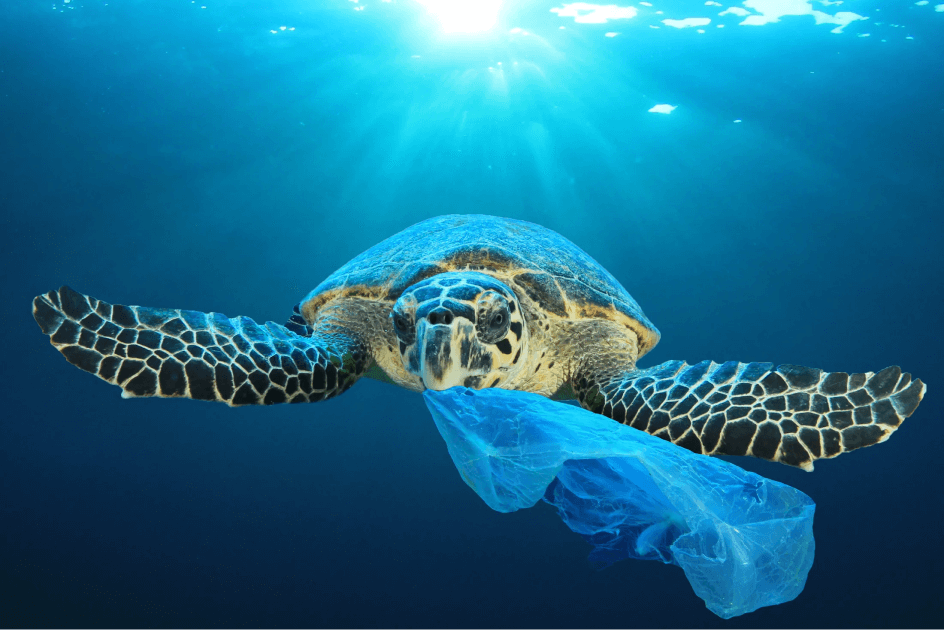
Plastic pollution is by far the biggest threat to our oceans and this remains an incredibly tough problem to solve. Plastic credits could potentially serve as one of the much needed solutions for this crisis.

More pathways

Book a demo

Ready to get started?

Our Platform

Expert led content

+1,000 expert presented, on-demand video modules

Learning analytics

Keep track of learning progress with our comprehensive data

Interactive learning

Engage with our video hotspots and knowledge check-ins

Testing & certification

Gain CPD / CPE credits and professional certification

Managed learning

Build, scale and manage your organisation’s learning

Integrations

Connect Sustainability Unlocked to your current platform

Featured Content

More featured content

The Scale of the Net Zero Challenge

The price of meeting net zero is estimated to be between $100-150 trillion over the next 30 years. Regardless of this cost, we need to reach net zero before climate change does irreversible damage to the environment and the economy.

ESG, Sustainability and Impact Jargon Buster

ESG, sustainability, impact… they all just mean green, right? Not quite. Despite being used often interchangeably, there are distinct differences between these terms.

More featured content

Book a demo

Ready to get started?

Book a demo

Ready to get started?

The Supply Chain Competitive Advantage

The Supply Chain Competitive Advantage

Wesley Herche

Decarbonisation Specialist

Decarbonising isn't a compliance headache - it's an opportunity.

Decarbonising isn't a compliance headache - it's an opportunity.

Subscribe to watch

Access this and all of the content on our platform by signing up for a 7-day free trial.
The Supply Chain Competitive Advantage

1 min 2 secs

Key learning objectives:

  • Outline the competitive advantage of supply chain decarbonisation

  • Understand why the ‘green premium’ idea is outdated

Overview:

Seriously engaging with embodied carbon structurally lowers the cost structure of your supply chain and creates a genuine competitive advantage. The notion of a "green premium" is outdated because cost and carbon move in the exact same direction rather than requiring a trade-off. Because this compounding advantage is widely misread as a compliance burden, early movers are operating in relatively open space with an advantage that is hidden in plain sight. 

Subscribe to watch

Access this and all of the content on our platform by signing up for a 7-day free trial.

Summary
What is the competitive advantage of supply chain decarbonisation?
Seriously engaging with embodied carbon structurally lowers the cost structure of your supply chain and creates a genuine competitive advantage. Replacing fossil fuel inputs with cleaner energy across each tier makes operations lower-cost, more predictable, and far less exposed to geopolitical disruption. Because this compounding advantage is widely misread as a compliance burden, early movers are operating in relatively open space with an advantage that is hidden in plain sight.

Why is the idea of a "green premium" outdated?
The notion of a "green premium" is outdated because cost and carbon move in the exact same direction rather than requiring a trade-off. Lowering embodied carbon eliminates expensive fossil fuel inputs, meaning that reducing emissions directly drives down expenses across the entire value chain.

Subscribe to watch

Access this and all of the content on our platform by signing up for a 7-day free trial.

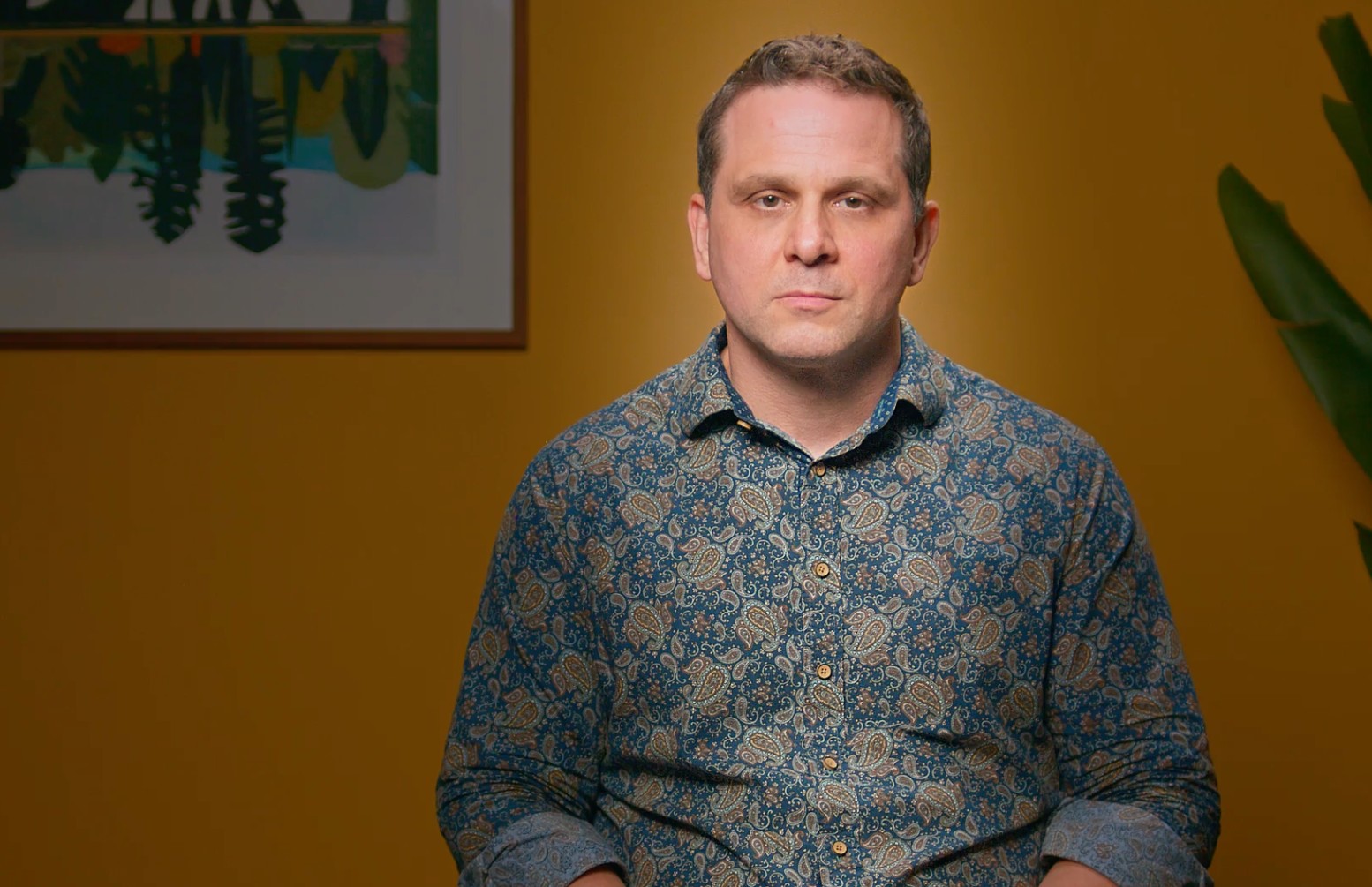
Wesley Herche

Wesley Herche

Dr. Wesley Herche is an energy and sustainability executive. He spent the first half of his career as an intelligence officer for the US government that had deployed to battlefields to navigate high-stakes uncertainty. He uses many of those same skillsets to help organisations and other practitioners drive competitive advantage through energy and sustainability strategy.

There are no available Videos from "Wesley Herche"