







Featured Pathways

More pathways

The Science of Climate Change

Climate change is no longer a distant threat or just a possibility, it is now a reality for all of us. In this pathway, Kevin Trenberth, a renowned climatologist, delves into the science behind climate change. He first introduces the climate system, its main components and forces.

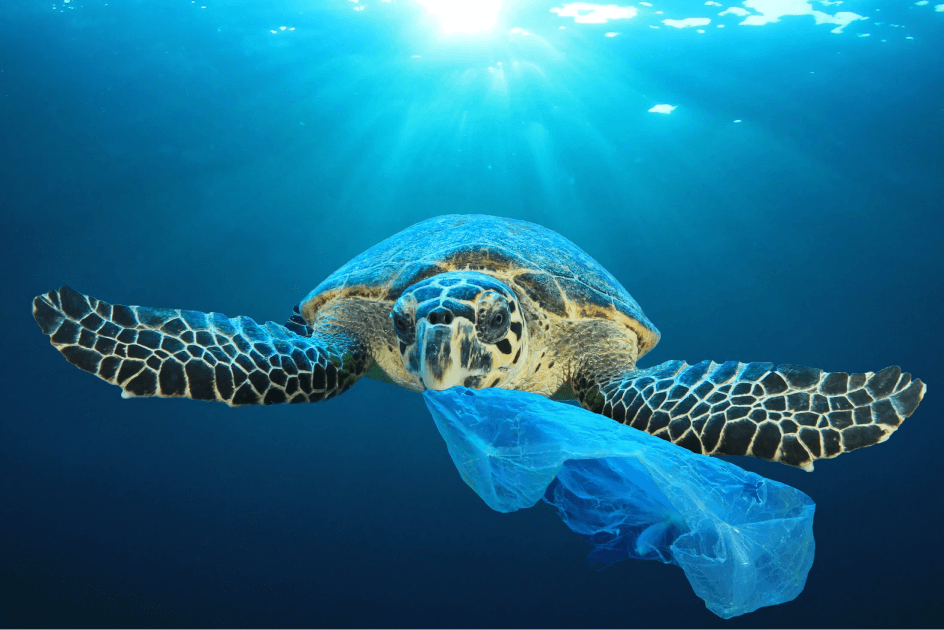
Tackling the Plastic Crisis

Plastic pollution is by far the biggest threat to our oceans and this remains an incredibly tough problem to solve. Plastic credits could potentially serve as one of the much needed solutions for this crisis.

More pathways

Book a demo

Ready to get started?

Our Platform

Expert led content

+1,000 expert presented, on-demand video modules

Learning analytics

Keep track of learning progress with our comprehensive data

Interactive learning

Engage with our video hotspots and knowledge check-ins

Testing & certification

Gain CPD / CPE credits and professional certification

Managed learning

Build, scale and manage your organisation’s learning

Integrations

Connect Sustainability Unlocked to your current platform

Featured Content

More featured content

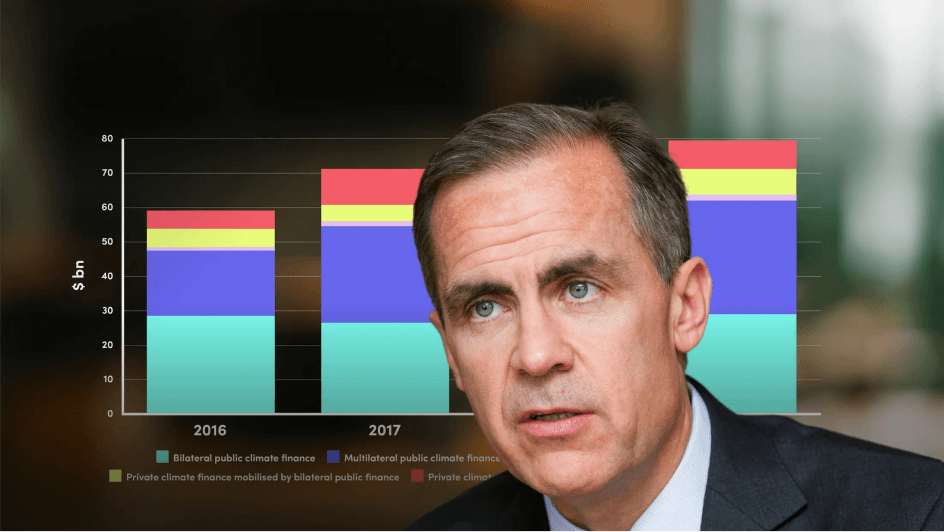
The Scale of the Net Zero Challenge

The price of meeting net zero is estimated to be between $100-150 trillion over the next 30 years. Regardless of this cost, we need to reach net zero before climate change does irreversible damage to the environment and the economy.

ESG, Sustainability and Impact Jargon Buster

ESG, sustainability, impact… they all just mean green, right? Not quite. Despite being used often interchangeably, there are distinct differences between these terms.

More featured content

Book a demo

Ready to get started?

Featured Pathways

More pathways

The Science of Climate Change

Climate change is no longer a distant threat or just a possibility, it is now a reality for all of us. In this pathway, Kevin Trenberth, a renowned climatologist, delves into the science behind climate change. He first introduces the climate system, its main components and forces.

Tackling the Plastic Crisis

Plastic pollution is by far the biggest threat to our oceans and this remains an incredibly tough problem to solve. Plastic credits could potentially serve as one of the much needed solutions for this crisis.

More pathways

Book a demo

Ready to get started?

Our Platform

Expert led content

+1,000 expert presented, on-demand video modules

Learning analytics

Keep track of learning progress with our comprehensive data

Interactive learning

Engage with our video hotspots and knowledge check-ins

Testing & certification

Gain CPD / CPE credits and professional certification

Managed learning

Build, scale and manage your organisation’s learning

Integrations

Connect Sustainability Unlocked to your current platform

Featured Content

More featured content

The Scale of the Net Zero Challenge

The price of meeting net zero is estimated to be between $100-150 trillion over the next 30 years. Regardless of this cost, we need to reach net zero before climate change does irreversible damage to the environment and the economy.

ESG, Sustainability and Impact Jargon Buster

ESG, sustainability, impact… they all just mean green, right? Not quite. Despite being used often interchangeably, there are distinct differences between these terms.

More featured content

Book a demo

Ready to get started?

Book a demo

Ready to get started?

Scaling From Small Pilots to Large Projects

Scaling From Small Pilots to Large Projects

Joi Danielson

System Change and Transformation Specialist

Bigger is better. Come on a journey with Joi Danielson as she explains how to scale your small pilot project to test just how resilient your theory of change is.

Bigger is better. Come on a journey with Joi Danielson as she explains how to scale your small pilot project to test just how resilient your theory of change is.

Subscribe to watch

Access this and all of the content on our platform by signing up for a 7-day free trial.

Scaling From Small Pilots to Large Projects

8 mins 29 secs

Key learning objectives:

  • Understand how to know when to scale a pilot project

  • Outline steps to scale a project effectively

  • Explain how to use negotiating power

  • Identify how to manage increased visibility

Overview:

A pilot is ready to scale when its core elements consistently deliver results without the founder or initial team holding everything together. Governance structures must function independently, and results should be replicable and reliable across different conditions. Once a pilot has demonstrated consistent success, teams gain credibility and leverage to negotiate stronger partnerships. Governments and donors are being offered a proven, working model. This allows teams to request previously unavailable resources or concessions.

Subscribe to watch

Access this and all of the content on our platform by signing up for a 7-day free trial.

Summary
How can you tell when a pilot project is ready to scale?
A pilot is ready to scale when its core elements consistently deliver results without the founder or initial team holding everything together. Governance structures must function independently, and results should be replicable and reliable across different conditions. At this stage, pilots test whether the theory of change holds under increased complexity and allow teams to refine models, structures, and financial sustainability. 

What steps should be followed to scale a pilot project successfully?
  • Select the right locations carefully: Consider multiple candidate cities or sites and create healthy competition. 
  • Test innovations under complexity: Scale to larger populations, new geographies, or different system archetypes to stress-test the model.
  • Refine governance and operational structures: Ensure systems can coordinate across larger areas, manage funding transparently, and meet legal and financial requirements.
  • Involve local ownership: Work with government and partners to ensure alignment. 
  • Make expectations explicit: Clarify roles, responsibilities, risks, and contributions from all partners before scaling.
  • Leverage umbrella organisations: Associations of mayors or ministries can help track progress, advocate for the project, and facilitate replication in other locations.

How can a successful pilot enhance negotiating power with stakeholders?
Once a pilot has demonstrated consistent success, teams gain credibility and leverage to negotiate stronger partnerships. Governments and donors are being offered a proven, working model. This allows teams to request previously unavailable resources or concessions, such as:
  • New governance structures to support scaling
  • Larger financial contributions from local partners
  • Faster permitting or improved inter-agency coordination
  • Dedicated leadership teams or project management offices

How should teams handle increased national and media attention during larger pilots?
Scaling larger pilots brings heightened visibility and scrutiny. To manage this effectively:
  • Bring partners along: Share progress with local and national leaders through regular check-ins and joint media opportunities.
  • Highlight government and partner contributions: Let them take the spotlight to build ownership and reinforce trust.
  • Be transparent about challenges: Openly acknowledging what isn’t working attracts allies, strengthens credibility, and reduces criticism.

Subscribe to watch

Access this and all of the content on our platform by signing up for a 7-day free trial.

Joi Danielson

Joi Danielson

Joi Danielson is a transformation leader with over 15 years of experience driving complex, high-stakes system change. She began her career as a consultant at McKinsey, later became a Partner at Systemiq, and now serves as Managing Partner of Vital Ocean. Joi specialises in turning ambitious ideas into practical, lasting outcomes that deliver real impact at scale, while developing the leaders and partnerships needed to sustain that change.

There are no available Videos from "Joi Danielson"