






Featured Pathways

More pathways

The Science of Climate Change

Climate change is no longer a distant threat or just a possibility, it is now a reality for all of us. In this pathway, Kevin Trenberth, a renowned climatologist, delves into the science behind climate change. He first introduces the climate system, its main components and forces.

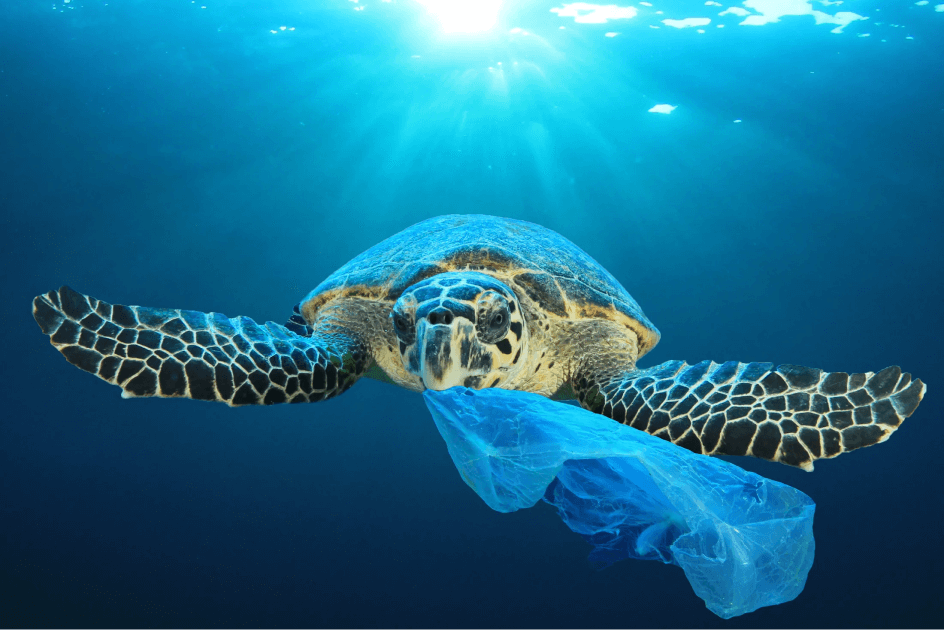
Tackling the Plastic Crisis

Plastic pollution is by far the biggest threat to our oceans and this remains an incredibly tough problem to solve. Plastic credits could potentially serve as one of the much needed solutions for this crisis.

More pathways

Book a demo

Ready to get started?

Our Platform

Expert led content

+1,000 expert presented, on-demand video modules

Learning analytics

Keep track of learning progress with our comprehensive data

Interactive learning

Engage with our video hotspots and knowledge check-ins

Testing & certification

Gain CPD / CPE credits and professional certification

Managed learning

Build, scale and manage your organisation’s learning

Integrations

Connect Sustainability Unlocked to your current platform

Featured Content

More featured content

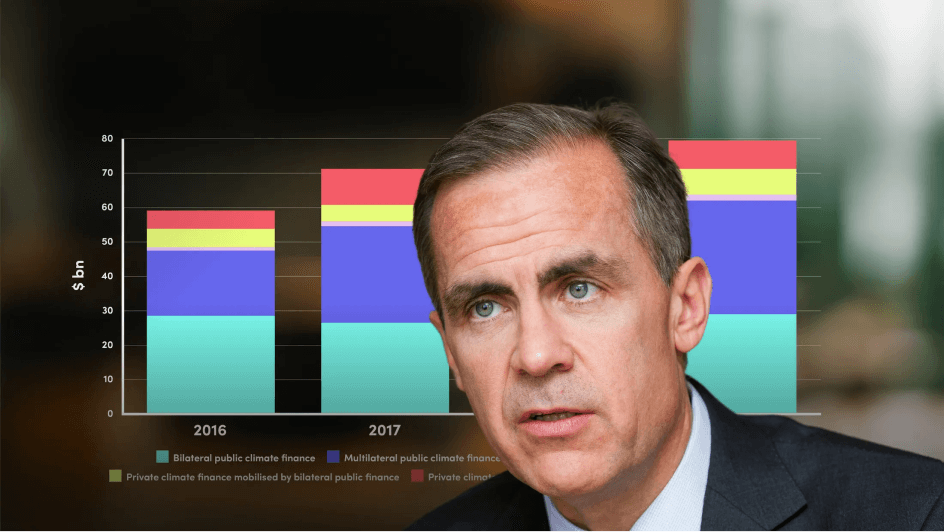
The Scale of the Net Zero Challenge

The price of meeting net zero is estimated to be between $100-150 trillion over the next 30 years. Regardless of this cost, we need to reach net zero before climate change does irreversible damage to the environment and the economy.

ESG, Sustainability and Impact Jargon Buster

ESG, sustainability, impact… they all just mean green, right? Not quite. Despite being used often interchangeably, there are distinct differences between these terms.

More featured content

Book a demo

Ready to get started?

Book a demo

Ready to get started?

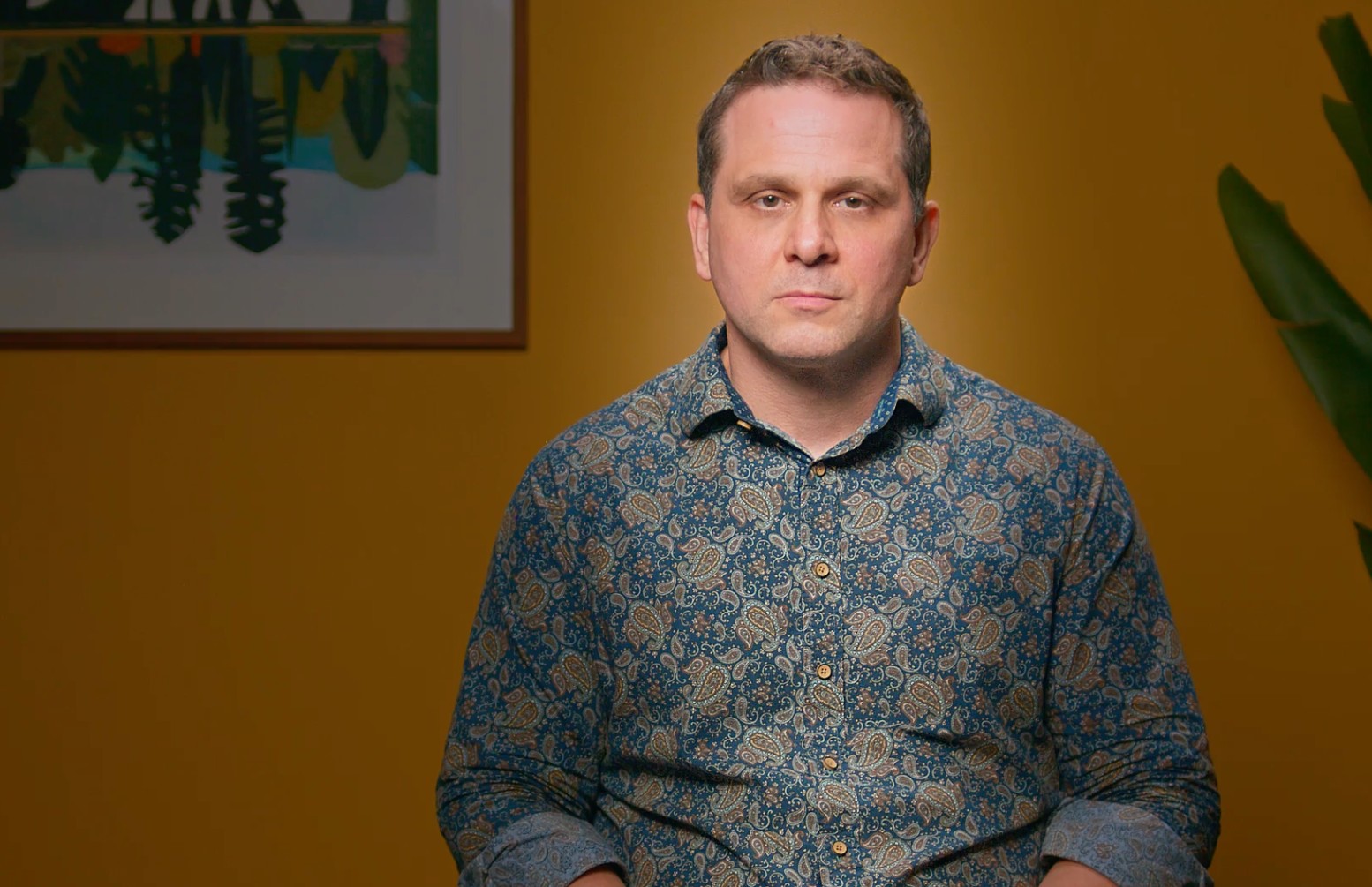
The Real Lessons From Fleet Electrification

The Real Lessons From Fleet Electrification

Wesley Herche

Decarbonisation Specialist

Skip the learning curve - learn from people who have already done it.

Skip the learning curve - learn from people who have already done it.

Subscribe to watch

Access this and all of the content on our platform by signing up for a 7-day free trial.
The Real Lessons From Fleet Electrification

58 secs

Key learning objectives:

  • Outline why some organisations succeed and some stall

  • Understand why inaction is misunderstood by organisations

  • Explain how progress can be made

Overview:

The biggest differentiator is whether organisations decide to move at all, rather than how well they execute the transition. Inaction is the most common form of failure, but it is rarely recognised as one because it can look like prudence. The organisations making the fastest progress frame electrification in terms that executives understand, particularly as a direct lever on cost to serve, with returns that compound as they scale.

Subscribe to watch

Access this and all of the content on our platform by signing up for a 7-day free trial.

Summary
Why do some organisations succeed while others stall?
The biggest differentiator is whether organisations decide to move at all, rather than how well they execute the transition. Organisations that make progress treat electrification as a direct business opportunity, not simply as a sustainability initiative.

Why is inaction often misunderstood as a failure?
Inaction is the most common form of failure, but it is rarely recognised as one because it can look like prudence. Organisations may delay action because they are concerned about the challenges of the transition, even though deciding not to move is a key reason organisations stall.

How can organisations make progress with electrification?
The organisations making the fastest progress also frame electrification in terms that executives understand, particularly as a direct lever on cost to serve, with returns that compound as they scale.

Subscribe to watch

Access this and all of the content on our platform by signing up for a 7-day free trial.

Wesley Herche

Wesley Herche

Dr. Wesley Herche is an energy and sustainability executive. He spent the first half of his career as an intelligence officer for the US government that had deployed to battlefields to navigate high-stakes uncertainty. He uses many of those same skillsets to help organisations and other practitioners drive competitive advantage through energy and sustainability strategy.

There are no available Videos from "Wesley Herche"