






Featured Pathways

More pathways

The Science of Climate Change

Climate change is no longer a distant threat or just a possibility, it is now a reality for all of us. In this pathway, Kevin Trenberth, a renowned climatologist, delves into the science behind climate change. He first introduces the climate system, its main components and forces.

Tackling the Plastic Crisis

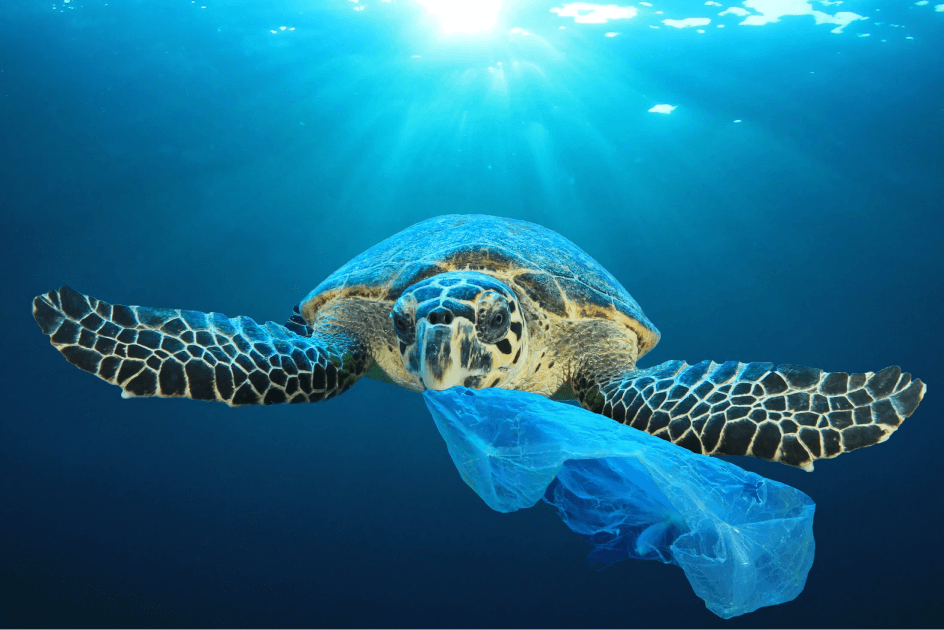
Plastic pollution is by far the biggest threat to our oceans and this remains an incredibly tough problem to solve. Plastic credits could potentially serve as one of the much needed solutions for this crisis.

More pathways

Book a demo

Ready to get started?

Our Platform

Expert led content

+1,000 expert presented, on-demand video modules

Learning analytics

Keep track of learning progress with our comprehensive data

Interactive learning

Engage with our video hotspots and knowledge check-ins

Testing & certification

Gain CPD / CPE credits and professional certification

Managed learning

Build, scale and manage your organisation’s learning

Integrations

Connect Sustainability Unlocked to your current platform

Featured Content

More featured content

The Scale of the Net Zero Challenge

The price of meeting net zero is estimated to be between $100-150 trillion over the next 30 years. Regardless of this cost, we need to reach net zero before climate change does irreversible damage to the environment and the economy.

ESG, Sustainability and Impact Jargon Buster

ESG, sustainability, impact… they all just mean green, right? Not quite. Despite being used often interchangeably, there are distinct differences between these terms.

More featured content

Book a demo

Ready to get started?

Featured Pathways

More pathways

The Science of Climate Change

Climate change is no longer a distant threat or just a possibility, it is now a reality for all of us. In this pathway, Kevin Trenberth, a renowned climatologist, delves into the science behind climate change. He first introduces the climate system, its main components and forces.

Tackling the Plastic Crisis

Plastic pollution is by far the biggest threat to our oceans and this remains an incredibly tough problem to solve. Plastic credits could potentially serve as one of the much needed solutions for this crisis.

More pathways

Book a demo

Ready to get started?

Our Platform

Expert led content

+1,000 expert presented, on-demand video modules

Learning analytics

Keep track of learning progress with our comprehensive data

Interactive learning

Engage with our video hotspots and knowledge check-ins

Testing & certification

Gain CPD / CPE credits and professional certification

Managed learning

Build, scale and manage your organisation’s learning

Integrations

Connect Sustainability Unlocked to your current platform

Featured Content

More featured content

The Scale of the Net Zero Challenge

The price of meeting net zero is estimated to be between $100-150 trillion over the next 30 years. Regardless of this cost, we need to reach net zero before climate change does irreversible damage to the environment and the economy.

ESG, Sustainability and Impact Jargon Buster

ESG, sustainability, impact… they all just mean green, right? Not quite. Despite being used often interchangeably, there are distinct differences between these terms.

More featured content

Book a demo

Ready to get started?

Book a demo

Ready to get started?

Overview of the Global Climate Governance Network

Overview of the Global Climate Governance Network

Arun Kelshiker

20 years: Asset management and stewardship

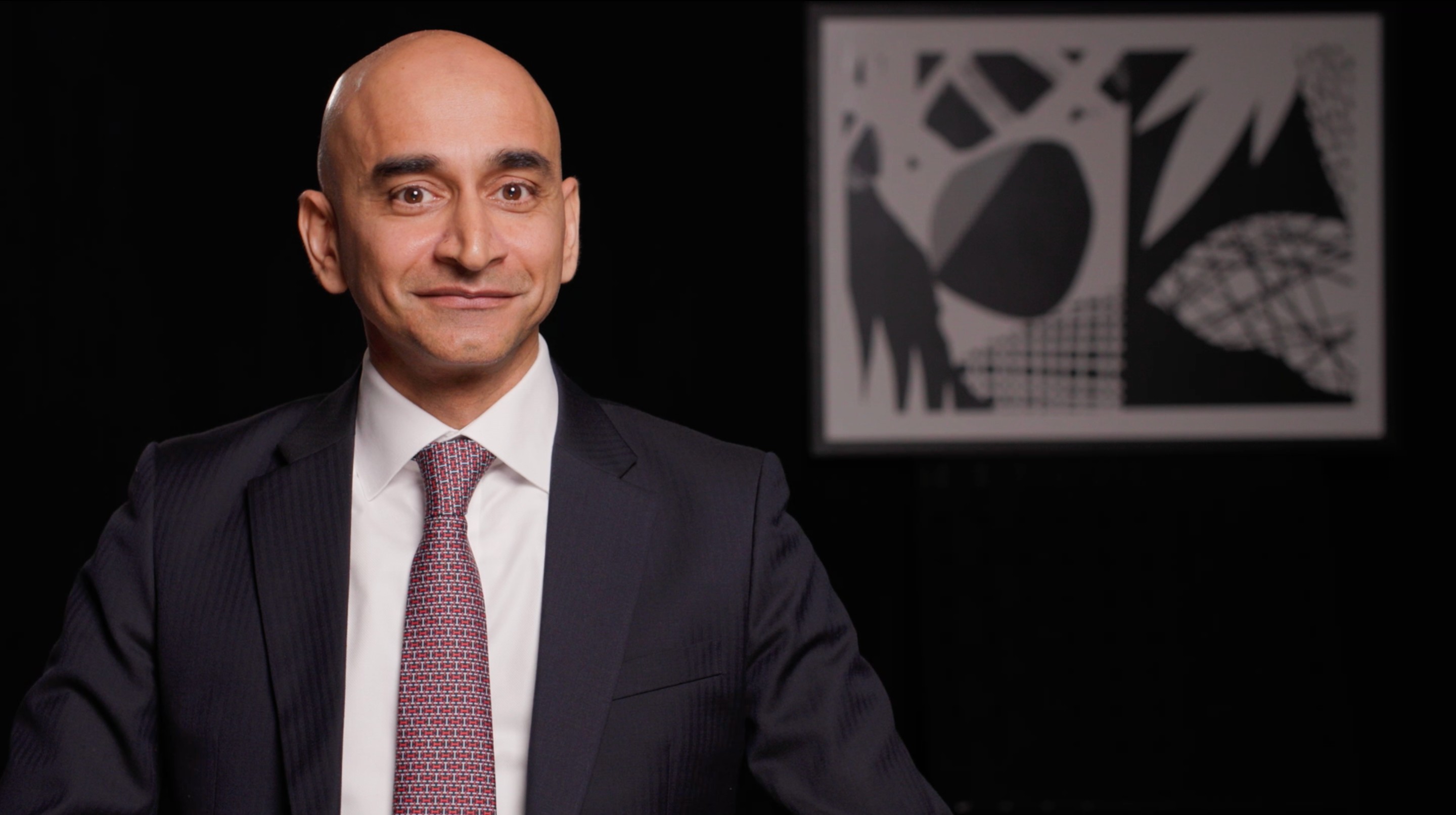
In this video, Arun unpacks the concept of multilevel climate governance and why it is essential for tackling the climate crisis. He explains how international bodies, national governments, local authorities, businesses, civil society, and academia all play interconnected roles in shaping climate action from global negotiations like COP to local implementation on the ground.

In this video, Arun unpacks the concept of multilevel climate governance and why it is essential for tackling the climate crisis. He explains how international bodies, national governments, local authorities, businesses, civil society, and academia all play interconnected roles in shaping climate action from global negotiations like COP to local implementation on the ground.

Subscribe to watch

Access this and all of the content on our platform by signing up for a 7-day free trial.
Overview of the Global Climate Governance Network

5 mins 27 secs

Key learning objectives:

  • Understand the concept of multilevel climate governance and why it is necessary

  • Identify the main actors involved and the roles they play in decision-making

  • Outline the benefits of multilevel governance for coherence, collaboration, and accountability

Overview:

Multilevel climate governance brings together governments, international bodies, businesses, civil society, and academia to coordinate action across global, national, and local levels. It operates through both formal negotiations, such as UNFCCC-led COP meetings, and informal processes that shape climate policy and practice. Each actor plays a distinct role: states set policy, local governments implement change, the private sector shifts production and energy systems, civil society channels community voices, and academia provides research and education. By integrating perspectives and responsibilities across levels, multilevel governance builds coherence, collaboration, and accountability in tackling climate change.

Subscribe to watch

Access this and all of the content on our platform by signing up for a 7-day free trial.

Summary
What is multilevel climate governance and why does it matter?

Multilevel climate governance is the interconnected system of negotiations, decisions, and actions across international, national, regional, and local levels. Climate change has global causes but local consequences, requiring cooperation that transcends borders and scales. This governance system ensures that strategies are not fragmented but aligned, creating space for diverse actors to contribute knowledge, resources, and accountability. Its importance lies in promoting adaptive, flexible approaches that match the complexity of climate risks while ensuring actions remain grounded in both science and local realities.

Who are the main actors and what roles do they play?

The UNFCCC anchors global negotiations, sets objectives, and maintains commitments such as NDCs. National governments shape policies and regulations, with negotiators like ministers representing state priorities in forums like COP. Local governments translate international goals into practical community-level actions. The private sector, as the largest emitter, has responsibility and leverage to change production and energy systems. Civil society represents citizens’ rights, values, and local knowledge, pushing for fair and inclusive solutions. Academia contributes evidence, research, and educational capacity to inform and strengthen decisions. Together, these actors ensure climate governance is inclusive and effective.

What are the benefits of multilevel climate governance?

  • It creates alignment between policies at different levels of government, reducing contradictions and gaps
  • By fostering collaboration among governments, businesses, NGOs, and researchers, it encourages innovation and joint problem-solving
  • It integrates diverse perspectives, from technical expertise to lived community experience, making solutions more robust and socially grounded
  • The process also establishes shared objectives, monitoring tools, and accountability structures, ensuring that actions can be tracked and adapted over time

Ultimately, multilevel governance enhances cooperation, clarity of roles, and coherence in global climate action, increasing the likelihood of meaningful and sustained progress.

Subscribe to watch

Access this and all of the content on our platform by signing up for a 7-day free trial.

Arun Kelshiker

Arun Kelshiker

Arun Kelshiker was formerly the Head of Asset Allocation and Portfolio Strategy at Standard Chartered Bank and part of the bank's Global Investment Committee, where he provided investment advisory and multi-asset portfolio solutions. His focus is now with Cambridge Sustainable Investment Partners, which draws its expertise from the Resilience and Sustainable Development Centre at Cambridge University. He is also a university lecturer at the Frankfurt School of Finance and Management and is Vice Chair of the CFA UK's Inclusion and Diversity Committee and its Investment Committee.

There are no available Videos from "Arun Kelshiker"