






Featured Pathways

More pathways

The Science of Climate Change

Climate change is no longer a distant threat or just a possibility, it is now a reality for all of us. In this pathway, Kevin Trenberth, a renowned climatologist, delves into the science behind climate change. He first introduces the climate system, its main components and forces.

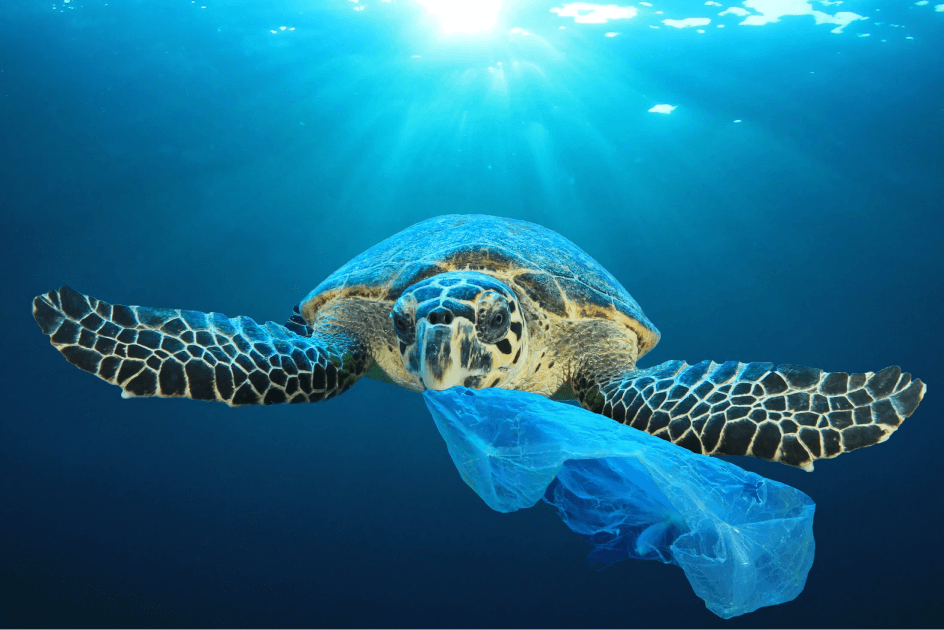
Tackling the Plastic Crisis

Plastic pollution is by far the biggest threat to our oceans and this remains an incredibly tough problem to solve. Plastic credits could potentially serve as one of the much needed solutions for this crisis.

More pathways

Book a demo

Ready to get started?

Our Platform

Expert led content

+1,000 expert presented, on-demand video modules

Learning analytics

Keep track of learning progress with our comprehensive data

Interactive learning

Engage with our video hotspots and knowledge check-ins

Testing & certification

Gain CPD / CPE credits and professional certification

Managed learning

Build, scale and manage your organisation’s learning

Integrations

Connect Sustainability Unlocked to your current platform

Featured Content

More featured content

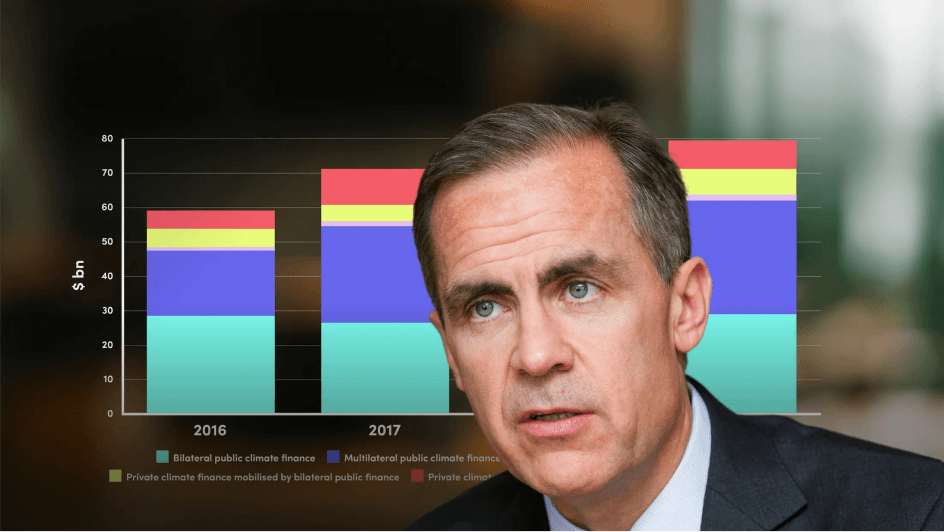
The Scale of the Net Zero Challenge

The price of meeting net zero is estimated to be between $100-150 trillion over the next 30 years. Regardless of this cost, we need to reach net zero before climate change does irreversible damage to the environment and the economy.

ESG, Sustainability and Impact Jargon Buster

ESG, sustainability, impact… they all just mean green, right? Not quite. Despite being used often interchangeably, there are distinct differences between these terms.

More featured content

Book a demo

Ready to get started?

Featured Pathways

More pathways

The Science of Climate Change

Climate change is no longer a distant threat or just a possibility, it is now a reality for all of us. In this pathway, Kevin Trenberth, a renowned climatologist, delves into the science behind climate change. He first introduces the climate system, its main components and forces.

Tackling the Plastic Crisis

Plastic pollution is by far the biggest threat to our oceans and this remains an incredibly tough problem to solve. Plastic credits could potentially serve as one of the much needed solutions for this crisis.

More pathways

Book a demo

Ready to get started?

Our Platform

Expert led content

+1,000 expert presented, on-demand video modules

Learning analytics

Keep track of learning progress with our comprehensive data

Interactive learning

Engage with our video hotspots and knowledge check-ins

Testing & certification

Gain CPD / CPE credits and professional certification

Managed learning

Build, scale and manage your organisation’s learning

Integrations

Connect Sustainability Unlocked to your current platform

Featured Content

More featured content

The Scale of the Net Zero Challenge

The price of meeting net zero is estimated to be between $100-150 trillion over the next 30 years. Regardless of this cost, we need to reach net zero before climate change does irreversible damage to the environment and the economy.

ESG, Sustainability and Impact Jargon Buster

ESG, sustainability, impact… they all just mean green, right? Not quite. Despite being used often interchangeably, there are distinct differences between these terms.

More featured content

Book a demo

Ready to get started?

Book a demo

Ready to get started?

Key Issues in Climate Governance

Key Issues in Climate Governance

Arun Kelshiker

20 years: Asset management and stewardship

In this video, Arun breaks down the key issues in international climate negotiations, highlighting COP28 outcomes on fossil fuel phase-down, adaptation, and the new loss and damage fund. He also explains why finance is so critical and how transparency, technology, and inclusive participation through gender equality and indigenous knowledge strengthen global climate action.

In this video, Arun breaks down the key issues in international climate negotiations, highlighting COP28 outcomes on fossil fuel phase-down, adaptation, and the new loss and damage fund. He also explains why finance is so critical and how transparency, technology, and inclusive participation through gender equality and indigenous knowledge strengthen global climate action.

Subscribe to watch

Access this and all of the content on our platform by signing up for a 7-day free trial.

Key Issues in Climate Governance

4 mins 37 secs

Key learning objectives:

  • Understand the main issues at the heart of international climate negotiations

  • Identify the outcomes of COP28 across mitigation, adaptation, and loss and damage

  • Understand the role of finance, transparency, and technology in enabling effective climate action

  • Outline the importance of inclusion, gender, indigenous perspectives, and agriculture in negotiations

Overview:

International climate negotiations address a wide spectrum of issues central to tackling the climate crisis. These include mitigation through fossil fuel phase-out and renewable transitions, adaptation strategies to build resilience, and compensation for loss and damage. Financing remains critical, with funds pledged but needs far exceeding commitments. Negotiations also focus on transparency in reporting, technology transfer, and empowering stakeholders through education, gender equality, and indigenous knowledge. At COP28, agriculture and food security gained prominence, reflecting the sector’s dual role in emissions and adaptation. Together, these issues highlight the complexity and interconnectedness of global climate action.

Subscribe to watch

Access this and all of the content on our platform by signing up for a 7-day free trial.

Summary
What are the main issues negotiated in international climate talks?

Key issues include mitigation, adaptation, loss and damage, climate finance, transparency, technology transfer, and inclusivity. COP28 marked progress across several of these areas, from a fossil fuel phase-down to the operationalisation of the loss and damage fund. Negotiations also advanced frameworks for adaptation, transparency, and food systems while reinforcing stakeholder empowerment and gender equality. Together, these issues frame the pathways through which global climate goals can be pursued in practice.

How did COP28 address mitigation, adaptation, and loss and damage?

Mitigation efforts centred on accelerating the transition away from fossil fuels, committing to deep emissions cuts, and scaling renewable energy. Adaptation advanced with the Global Goal on Adaptation framework, giving structure to measuring resilience efforts. For loss and damage, COP28 achieved a breakthrough: operationalising the fund to compensate vulnerable countries, backed by $700 million in pledges. These milestones signal incremental but meaningful steps toward a just and equitable global response, though significant challenges in scale, finance, and implementation remain.

Why is climate finance such a critical and contentious issue?

Developing nations face enormous costs in transitioning to low-carbon economies and adapting to climate impacts. While COP28 saw replenishment of the Green Climate Fund and commitments to other funds, the gap between pledges and actual needs remains vast. Current finance flows fall far short of the trillions required annually, creating frustration and delaying progress. Finance is also a matter of trust: without adequate resources, promises of just transitions, resilience, and equity ring hollow. Bridging this gap is essential to sustaining cooperation and credibility in negotiations.

What role do transparency, technology, and inclusive participation play?

Transparency mechanisms, such as the enhanced transparency framework, ensure countries report consistently and credibly on emissions and climate actions. Technology development and transfer accelerate access to low-carbon innovations for both mitigation and adaptation. Inclusion, through education, action for climate empowerment, gender equality, and indigenous knowledge, broadens perspectives and strengthens outcomes. For example, indigenous insights into ecosystems complement scientific approaches, while gender action plans ensure equitable representation in decision-making. Together, these pillars uphold accountability, enable innovation, and reinforce legitimacy in global climate governance.

Subscribe to watch

Access this and all of the content on our platform by signing up for a 7-day free trial.

Arun Kelshiker

Arun Kelshiker

Arun Kelshiker was formerly the Head of Asset Allocation and Portfolio Strategy at Standard Chartered Bank and part of the bank's Global Investment Committee, where he provided investment advisory and multi-asset portfolio solutions. His focus is now with Cambridge Sustainable Investment Partners, which draws its expertise from the Resilience and Sustainable Development Centre at Cambridge University. He is also a university lecturer at the Frankfurt School of Finance and Management and is Vice Chair of the CFA UK's Inclusion and Diversity Committee and its Investment Committee.

There are no available Videos from "Arun Kelshiker"