






Categories
Discover our Content
Featured Pathways
More pathways

The Science of Climate Change
Climate change is no longer a distant threat or just a possibility, it is now a reality for all of us. In this pathway, Kevin Trenberth, a renowned climatologist, delves into the science behind climate change. He first introduces the climate system, its main components and forces.
Tackling the Plastic Crisis
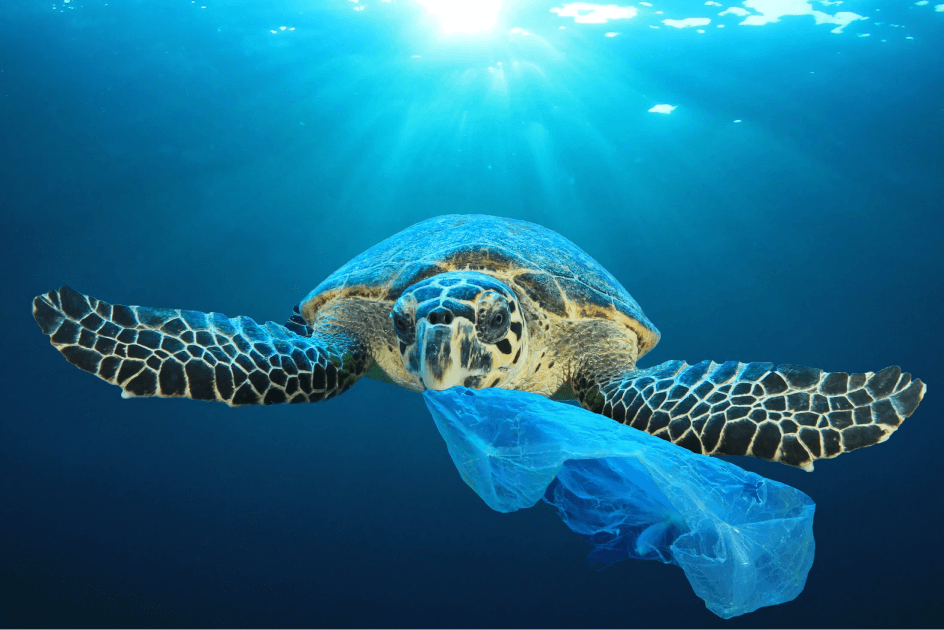
Plastic pollution is by far the biggest threat to our oceans and this remains an incredibly tough problem to solve. Plastic credits could potentially serve as one of the much needed solutions for this crisis.
More pathways
Ready to get started?
Plans & Membership
Find the right plan for you
Our Platform
Expert led content
+1,000 expert presented, on-demand video modules
Learning analytics
Keep track of learning progress with our comprehensive data
Interactive learning
Engage with our video hotspots and knowledge check-ins
Testing & certification
Gain CPD / CPE credits and professional certification
Managed learning
Build, scale and manage your organisation’s learning
Integrations
Connect Sustainability Unlocked to your current platform
Featured Content
More featured content
The Scale of the Net Zero Challenge
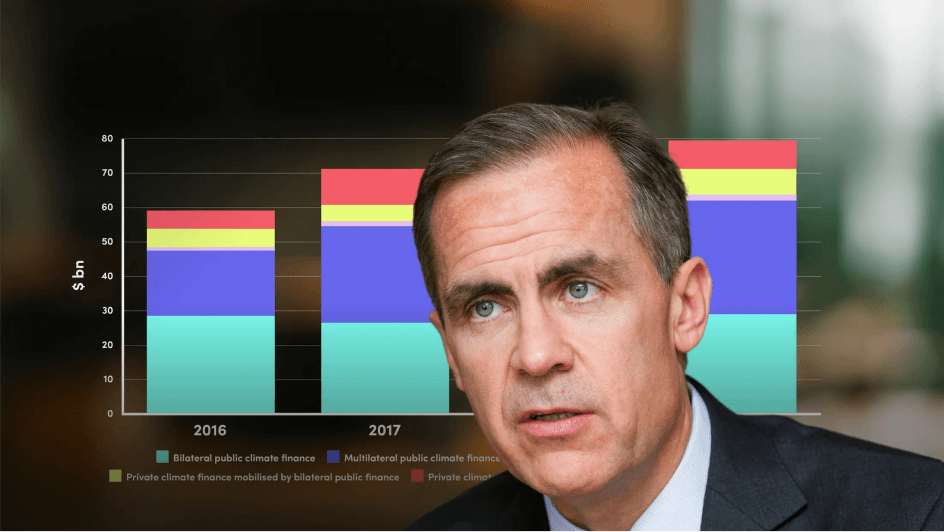
The price of meeting net zero is estimated to be between $100-150 trillion over the next 30 years. Regardless of this cost, we need to reach net zero before climate change does irreversible damage to the environment and the economy.
ESG, Sustainability and Impact Jargon Buster
ESG, sustainability, impact… they all just mean green, right? Not quite. Despite being used often interchangeably, there are distinct differences between these terms.
More featured content
Ready to get started?
By Industry
By Team Size & Role
Case Studies

CMS x Sustainability Unlocked
Engineering ESG from compliance to core competency

Nuveen x Sustainability Unlocked
From launch energy to lasting organisational impact
Ready to get started?
Our Solutions
About Us
Testimonials
More testimonials

Lewis Howard
The quality of the content is very high, the UI is super easy to use, and we can see how the content will be impactful at scale.

Nicola Stürmer
Our people have a strong growth mindset and access to this sort of material satisfies that curiosity and our need as a business to retain our talent through the provision of a quality learning experience.
More testimonials
Ready to get started?
Categories
Discover our Content
Featured Pathways
More pathways
The Science of Climate Change
Climate change is no longer a distant threat or just a possibility, it is now a reality for all of us. In this pathway, Kevin Trenberth, a renowned climatologist, delves into the science behind climate change. He first introduces the climate system, its main components and forces.
Tackling the Plastic Crisis
Plastic pollution is by far the biggest threat to our oceans and this remains an incredibly tough problem to solve. Plastic credits could potentially serve as one of the much needed solutions for this crisis.
More pathways
Ready to get started?
Plans & Membership
Find the right plan for you
Our Platform
Expert led content
+1,000 expert presented, on-demand video modules
Learning analytics
Keep track of learning progress with our comprehensive data
Interactive learning
Engage with our video hotspots and knowledge check-ins
Testing & certification
Gain CPD / CPE credits and professional certification
Managed learning
Build, scale and manage your organisation’s learning
Integrations
Connect Sustainability Unlocked to your current platform
Featured Content
More featured content
The Scale of the Net Zero Challenge
The price of meeting net zero is estimated to be between $100-150 trillion over the next 30 years. Regardless of this cost, we need to reach net zero before climate change does irreversible damage to the environment and the economy.
ESG, Sustainability and Impact Jargon Buster
ESG, sustainability, impact… they all just mean green, right? Not quite. Despite being used often interchangeably, there are distinct differences between these terms.
More featured content
Ready to get started?
By Industry
By Team Size & Role
Case Studies
CMS x Sustainability Unlocked
Engineering ESG from compliance to core competency
Nuveen x Sustainability Unlocked
From launch energy to lasting organisational impact
Ready to get started?
Our Solutions
About Us
Testimonials
More testimonials
Lewis Howard
The quality of the content is very high, the UI is super easy to use, and we can see how the content will be impactful at scale.
Nicola Stürmer
Our people have a strong growth mindset and access to this sort of material satisfies that curiosity and our need as a business to retain our talent through the provision of a quality learning experience.
More testimonials
Ready to get started?