







Featured Pathways

More pathways

The Science of Climate Change

Climate change is no longer a distant threat or just a possibility, it is now a reality for all of us. In this pathway, Kevin Trenberth, a renowned climatologist, delves into the science behind climate change. He first introduces the climate system, its main components and forces.

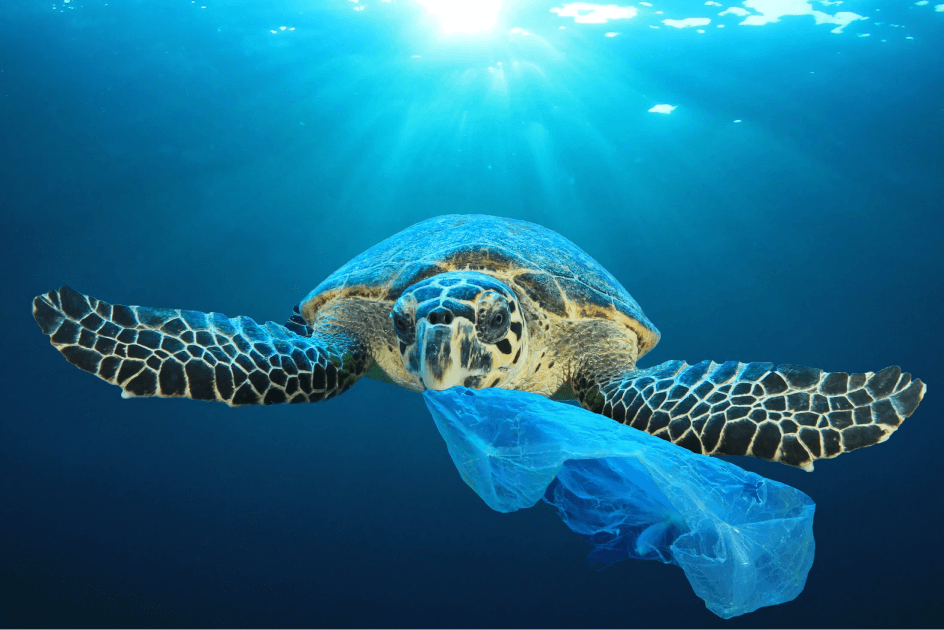
Tackling the Plastic Crisis

Plastic pollution is by far the biggest threat to our oceans and this remains an incredibly tough problem to solve. Plastic credits could potentially serve as one of the much needed solutions for this crisis.

More pathways

Book a demo

Ready to get started?

Our Platform

Expert led content

+1,000 expert presented, on-demand video modules

Learning analytics

Keep track of learning progress with our comprehensive data

Interactive learning

Engage with our video hotspots and knowledge check-ins

Testing & certification

Gain CPD / CPE credits and professional certification

Managed learning

Build, scale and manage your organisation’s learning

Integrations

Connect Sustainability Unlocked to your current platform

Featured Content

More featured content

The Scale of the Net Zero Challenge

The price of meeting net zero is estimated to be between $100-150 trillion over the next 30 years. Regardless of this cost, we need to reach net zero before climate change does irreversible damage to the environment and the economy.

ESG, Sustainability and Impact Jargon Buster

ESG, sustainability, impact… they all just mean green, right? Not quite. Despite being used often interchangeably, there are distinct differences between these terms.

More featured content

Book a demo

Ready to get started?

Featured Pathways

More pathways

The Science of Climate Change

Climate change is no longer a distant threat or just a possibility, it is now a reality for all of us. In this pathway, Kevin Trenberth, a renowned climatologist, delves into the science behind climate change. He first introduces the climate system, its main components and forces.

Tackling the Plastic Crisis

Plastic pollution is by far the biggest threat to our oceans and this remains an incredibly tough problem to solve. Plastic credits could potentially serve as one of the much needed solutions for this crisis.

More pathways

Book a demo

Ready to get started?

Our Platform

Expert led content

+1,000 expert presented, on-demand video modules

Learning analytics

Keep track of learning progress with our comprehensive data

Interactive learning

Engage with our video hotspots and knowledge check-ins

Testing & certification

Gain CPD / CPE credits and professional certification

Managed learning

Build, scale and manage your organisation’s learning

Integrations

Connect Sustainability Unlocked to your current platform

Featured Content

More featured content

The Scale of the Net Zero Challenge

The price of meeting net zero is estimated to be between $100-150 trillion over the next 30 years. Regardless of this cost, we need to reach net zero before climate change does irreversible damage to the environment and the economy.

ESG, Sustainability and Impact Jargon Buster

ESG, sustainability, impact… they all just mean green, right? Not quite. Despite being used often interchangeably, there are distinct differences between these terms.

More featured content

Book a demo

Ready to get started?

Book a demo

Ready to get started?

How to Remember What You Learn

How to Remember What You Learn

Maya Raichoora

Mental Fitness Pioneer

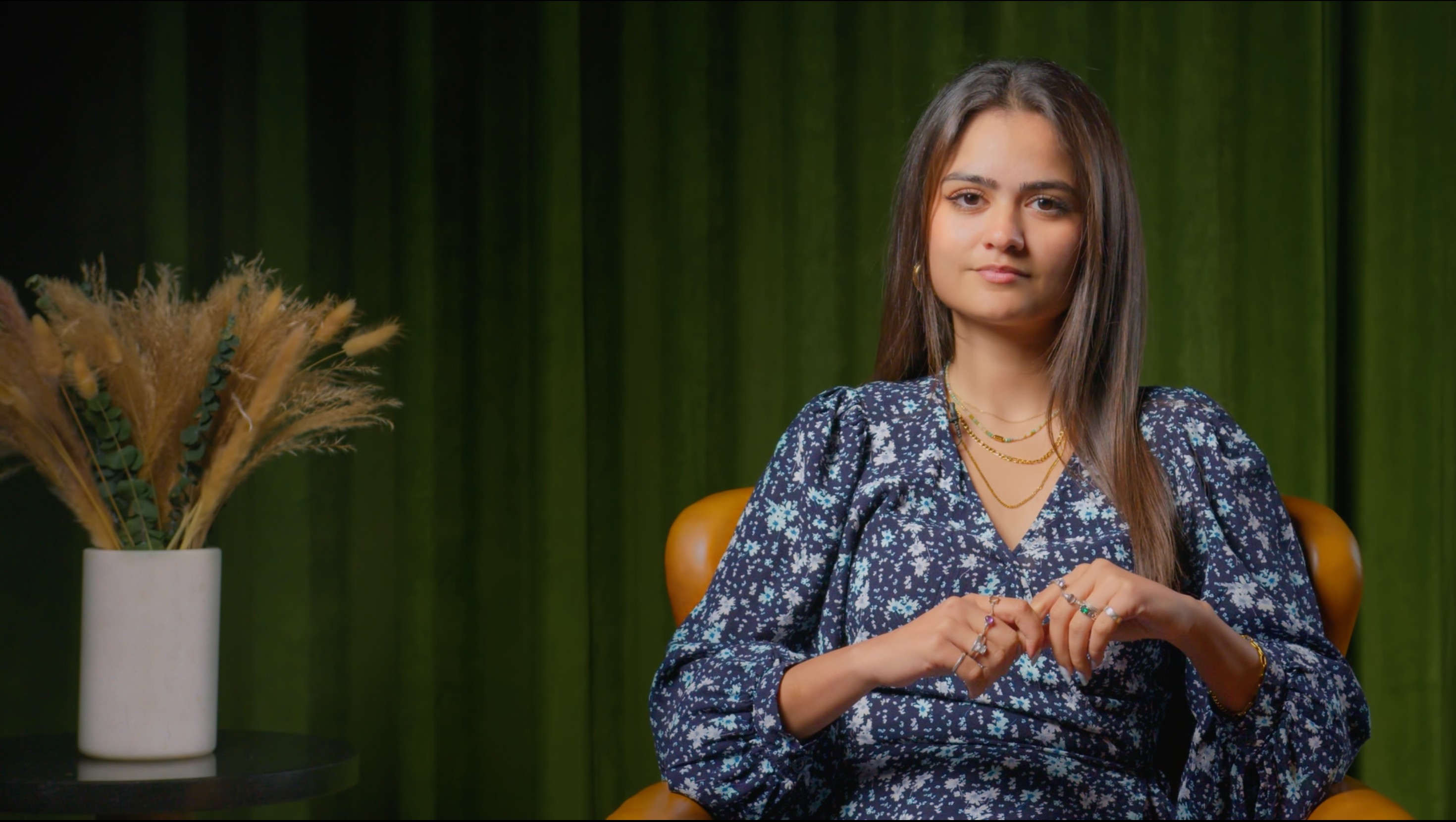
In this video, Maya dives into the power of active learning and why it outperforms passive methods like highlighting or re-reading. She explains how techniques such as retrieval practice, peer teaching, mind mapping, and interleaving can dramatically boost retention, critical thinking, and real-world application.

In this video, Maya dives into the power of active learning and why it outperforms passive methods like highlighting or re-reading. She explains how techniques such as retrieval practice, peer teaching, mind mapping, and interleaving can dramatically boost retention, critical thinking, and real-world application.

Subscribe to watch

Access this and all of the content on our platform by signing up for a 7-day free trial.
How to Remember What You Learn

6 mins 49 secs

Key learning objectives:

  • Understand strategies such as effective note-taking and mind mapping to enhance study performance

  • Understand a range of practical active learning techniques, from retrieval practice to interleaving

  • Outline key benefits of active learning, including retention, critical thinking, and engagement

  • Understand the value of active learning compared to passive learning methods

Overview:

Active learning is a powerful approach that transforms how we retain, understand, and apply new information. Rather than passively reading or listening, active learning techniques, such as retrieval practice, peer teaching, interleaving, and mind mapping, strengthen memory, deepen understanding, and improve long-term performance. Research shows that learners who actively engage with material are more likely to stay motivated and develop skills like critical thinking and collaboration. Whether you're preparing for exams, upskilling at work, or learning for personal growth, adopting active learning strategies can dramatically improve your results. It's not just what you learn, but how you learn that makes the difference.

Subscribe to watch

Access this and all of the content on our platform by signing up for a 7-day free trial.

Summary
Why is active learning more effective than passive methods like highlighting or re-reading?

Active learning involves engagement with the material, through summarising, questioning, or teaching, rather than just consuming it. Studies show that this deeper interaction improves retention and helps transfer knowledge to real-life contexts. Passive methods may feel productive but often lead to low recall during application or testing. By contrast, active learning strengthens neural pathways, improves focus, and builds long-term memory.

What are some practical strategies to incorporate active learning into daily study routines?
There are several effective strategies:

  • Summarising in your own words helps consolidate understanding
  • Teaching someone else reinforces what you know and reveals any gaps
  • Mind maps support visual learners by showing how ideas connect
  • Interleaving (mixing topics within study sessions) improves recall and critical thinking
  • Practising real-world application, such as using a new language in conversation, helps transfer theory into practical knowledge

Each technique can be adapted depending on your learning style and subject matter.

How does retrieval practice enhance memory and how can learners apply it?

Retrieval practice involves recalling information without the material in front of you. This might mean using flashcards, doing low-stakes quizzes, or writing down everything you remember after studying. This process strengthens the brain’s ability to access stored knowledge. Regular retrieval makes information easier to recall over time and highlights areas that need more attention. It’s one of the most research-backed techniques for improving memory.

What note-taking techniques support active learning and how do they work?

Effective note-taking is more than just transcription. Techniques like:

  1. The Cornell Method encourage structured reflection and self-testing
  2. The Outline Method helps break complex information into digestible parts
  3. Mind Mapping is ideal for visual learners, showing relationships between ideas

Studies suggest writing by hand improves understanding more than typing, as it involves greater cognitive processing. Reviewing and revising your notes regularly also strengthens long-term retention.

Subscribe to watch

Access this and all of the content on our platform by signing up for a 7-day free trial.

Maya Raichoora

Maya Raichoora

Maya Raichoora is one of the UK's leading mental fitness and visualisation expert, on a mission to make mental fitness as common as physical fitness. As the CEO and Co-Founder of Remap Mental Fitness, she empowers professionals to achieve mental strength through visualisation. Diagnosed with ulcerative colitis at 15, Maya faced intense physical and emotional challenges. Visualisation transformed her life, and now she’s dedicated to teaching this powerful technique to others. An international speaker and coach, Maya hosts mental fitness events, coaches individuals, and collaborates with global brands. Her talks on mental fitness, mindset, and motivation inspire audiences worldwide.

There are no available Videos from "Maya Raichoora"