















How to Calculate Those Invisible Emissions

Maria Coronado Robles
Sustainability Content Principal
Aim for progress and not perfection with this guide to calculating Scope 3.1 emissions.

Aim for progress and not perfection with this guide to calculating Scope 3.1 emissions.
Subscribe to watch
Access this and all of the content on our platform by signing up for a 7-day free trial.
How to Calculate Those Invisible Emissions
5 mins 42 secs
Key learning objectives:
Outline the main methods used to estimate Scope 3.1 emissions
Identify how to choose the right accounting method
Understand how to identify carbon hotspots
Overview:
Choosing the right accounting method for your data depends entirely on the quality of data you have available. You do not need perfect data for everything to begin - the golden rule is to use a hybrid approach. You should use spend-based data where you must, physical quantities where you can, and supplier-specific data whenever it is available. As long as your logic remains transparent, your numbers will be credible. The goal is to evolve over time.Outline the main methods used to estimate Scope 3.1 emissions
Subscribe to watch
Access this and all of the content on our platform by signing up for a 7-day free trial.
Summary
How do you choose the right accounting method for your data?
The choice depends entirely on the quality of data you have available. You do not need perfect data for everything to begin - the golden rule is to use a hybrid approach. You should use spend-based data where you must, physical quantities where you can, and supplier-specific data whenever it is available. As long as your logic remains transparent, your numbers will be credible. The goal is to evolve over time.
How can a company identify its carbon hotspots?
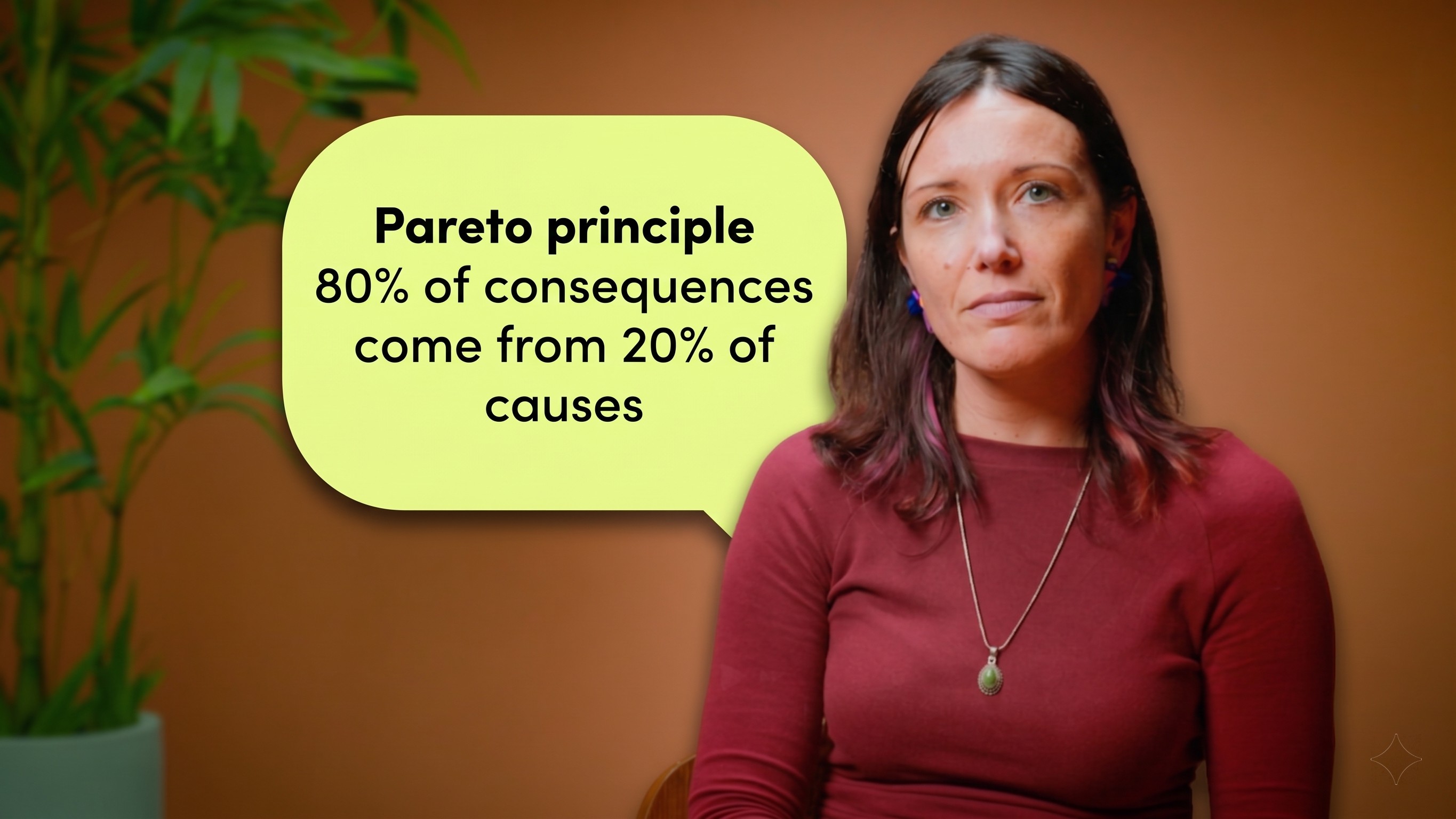
To move from merely calculating to actually cutting emissions, you need to identify your carbon bombs. Instead of analysing every single tiny detail, you should zoom out to see the big picture. You will often find the Pareto Principle at play, where roughly 20% of your categories are responsible for 80% of your total carbon footprint. Focusing your efforts here ensures the highest return on investment for your time.
What are the main methods used to estimate Scope 3.1 emissions?
- Spend-based method: This is the quickest shortcut. You take the total amount spent (e.g. 50,000 euros on logistics) and multiply by a generic global average factor. While fast, it is essentially an estimate rather than a measurement.
- Activity-based method: This links carbon to physical reality by looking at quantities like kilograms of steel or litres of paint. It is more accurate because it isn't affected by market price fluctuations.
- Supplier-specific data: Considered the gold standard, this involves using a Product Carbon Footprint or Environmental Product Declaration (EPD) provided directly by the supplier. It tells you exactly what it cost the planet to produce that specific item.
How do you choose the right accounting method for your data?
The choice depends entirely on the quality of data you have available. You do not need perfect data for everything to begin - the golden rule is to use a hybrid approach. You should use spend-based data where you must, physical quantities where you can, and supplier-specific data whenever it is available. As long as your logic remains transparent, your numbers will be credible. The goal is to evolve over time.
How can a company identify its carbon hotspots?
To move from merely calculating to actually cutting emissions, you need to identify your carbon bombs. Instead of analysing every single tiny detail, you should zoom out to see the big picture. You will often find the Pareto Principle at play, where roughly 20% of your categories are responsible for 80% of your total carbon footprint. Focusing your efforts here ensures the highest return on investment for your time.
Subscribe to watch
Access this and all of the content on our platform by signing up for a 7-day free trial.

Maria Coronado Robles
Maria is the Sustainability Content Principal at xUnlocked. She brings over a decade of expertise in sustainability, underpinned by a PhD in the field. Previously, Maria led Sustainability Insights and Research within the business intelligence sector, advising corporations on emerging ESG trends, regulatory developments, and strategic sustainability priorities.
There are no available Videos from "Maria Coronado Robles"