





Featured Pathways

More pathways

The Science of Climate Change

Climate change is no longer a distant threat or just a possibility, it is now a reality for all of us. In this pathway, Kevin Trenberth, a renowned climatologist, delves into the science behind climate change. He first introduces the climate system, its main components and forces.

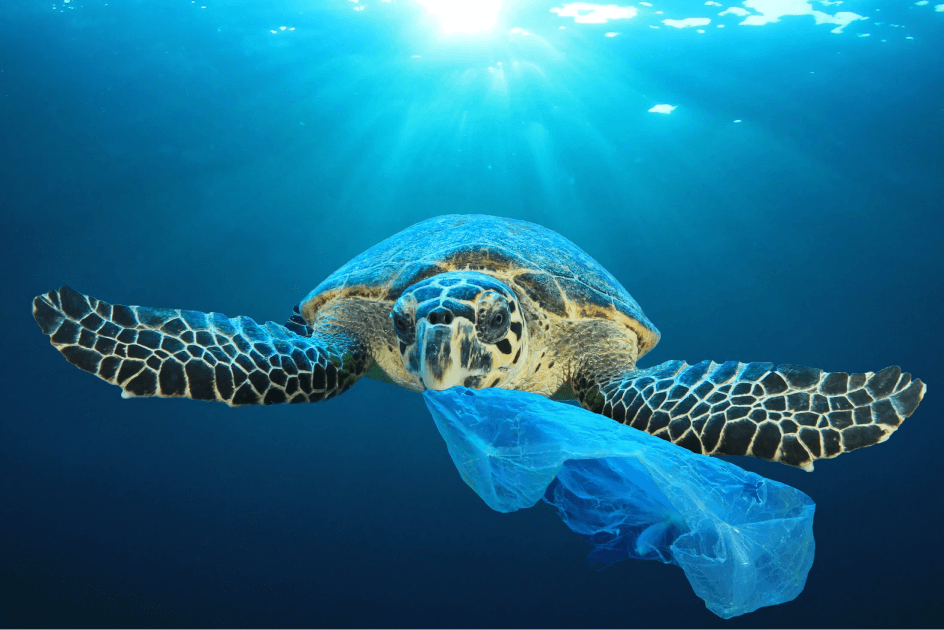
Tackling the Plastic Crisis

Plastic pollution is by far the biggest threat to our oceans and this remains an incredibly tough problem to solve. Plastic credits could potentially serve as one of the much needed solutions for this crisis.

More pathways

Book a demo

Ready to get started?

Our Platform

Expert led content

+1,000 expert presented, on-demand video modules

Learning analytics

Keep track of learning progress with our comprehensive data

Interactive learning

Engage with our video hotspots and knowledge check-ins

Testing & certification

Gain CPD / CPE credits and professional certification

Managed learning

Build, scale and manage your organisation’s learning

Integrations

Connect Sustainability Unlocked to your current platform

Featured Content

More featured content

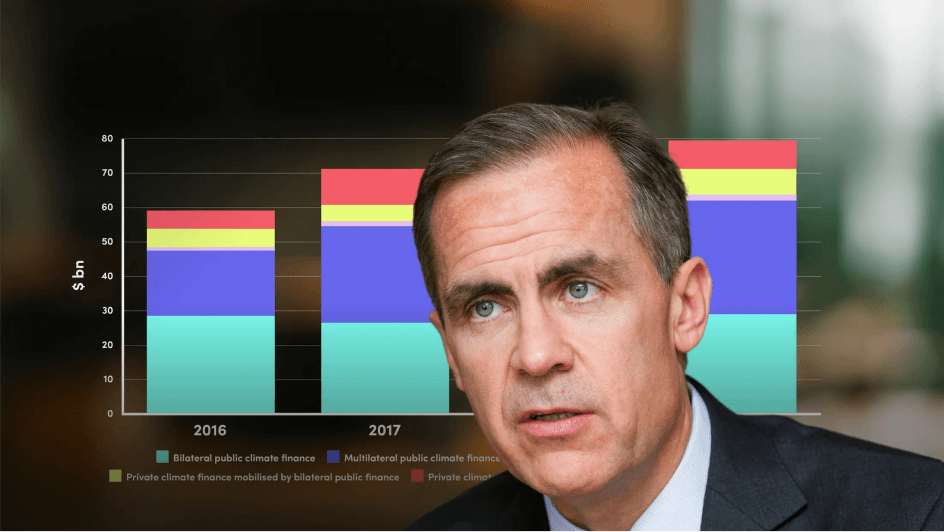
The Scale of the Net Zero Challenge

The price of meeting net zero is estimated to be between $100-150 trillion over the next 30 years. Regardless of this cost, we need to reach net zero before climate change does irreversible damage to the environment and the economy.

ESG, Sustainability and Impact Jargon Buster

ESG, sustainability, impact… they all just mean green, right? Not quite. Despite being used often interchangeably, there are distinct differences between these terms.

More featured content

Book a demo

Ready to get started?

Featured Pathways

More pathways

The Science of Climate Change

Climate change is no longer a distant threat or just a possibility, it is now a reality for all of us. In this pathway, Kevin Trenberth, a renowned climatologist, delves into the science behind climate change. He first introduces the climate system, its main components and forces.

Tackling the Plastic Crisis

Plastic pollution is by far the biggest threat to our oceans and this remains an incredibly tough problem to solve. Plastic credits could potentially serve as one of the much needed solutions for this crisis.

More pathways

Book a demo

Ready to get started?

Our Platform

Expert led content

+1,000 expert presented, on-demand video modules

Learning analytics

Keep track of learning progress with our comprehensive data

Interactive learning

Engage with our video hotspots and knowledge check-ins

Testing & certification

Gain CPD / CPE credits and professional certification

Managed learning

Build, scale and manage your organisation’s learning

Integrations

Connect Sustainability Unlocked to your current platform

Featured Content

More featured content

The Scale of the Net Zero Challenge

The price of meeting net zero is estimated to be between $100-150 trillion over the next 30 years. Regardless of this cost, we need to reach net zero before climate change does irreversible damage to the environment and the economy.

ESG, Sustainability and Impact Jargon Buster

ESG, sustainability, impact… they all just mean green, right? Not quite. Despite being used often interchangeably, there are distinct differences between these terms.

More featured content

Book a demo

Ready to get started?

Book a demo

Ready to get started?

Financing the Climate Transition

Financing the Climate Transition

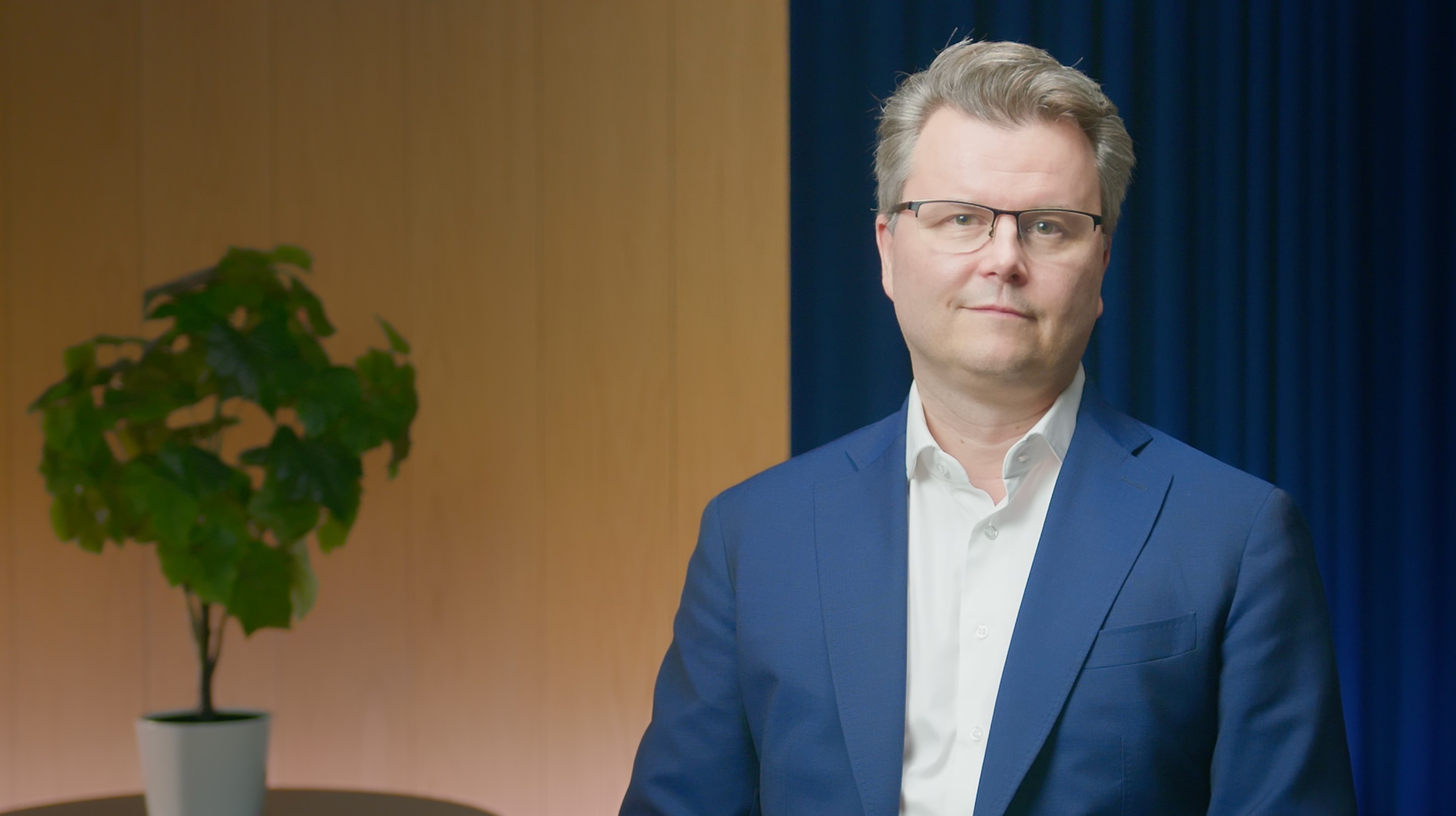
Samu Slotte

In this video, Samu unpacks how financial institutions can drive the climate transition by going beyond green projects to support entire value chains, especially in hard-to-abate sectors. He also explains how banks balance risk and opportunity supporting clients with credible strategies while phasing out high-carbon activities to accelerate systemic change.

In this video, Samu unpacks how financial institutions can drive the climate transition by going beyond green projects to support entire value chains, especially in hard-to-abate sectors. He also explains how banks balance risk and opportunity supporting clients with credible strategies while phasing out high-carbon activities to accelerate systemic change.

Subscribe to watch

Access this and all of the content on our platform by signing up for a 7-day free trial.
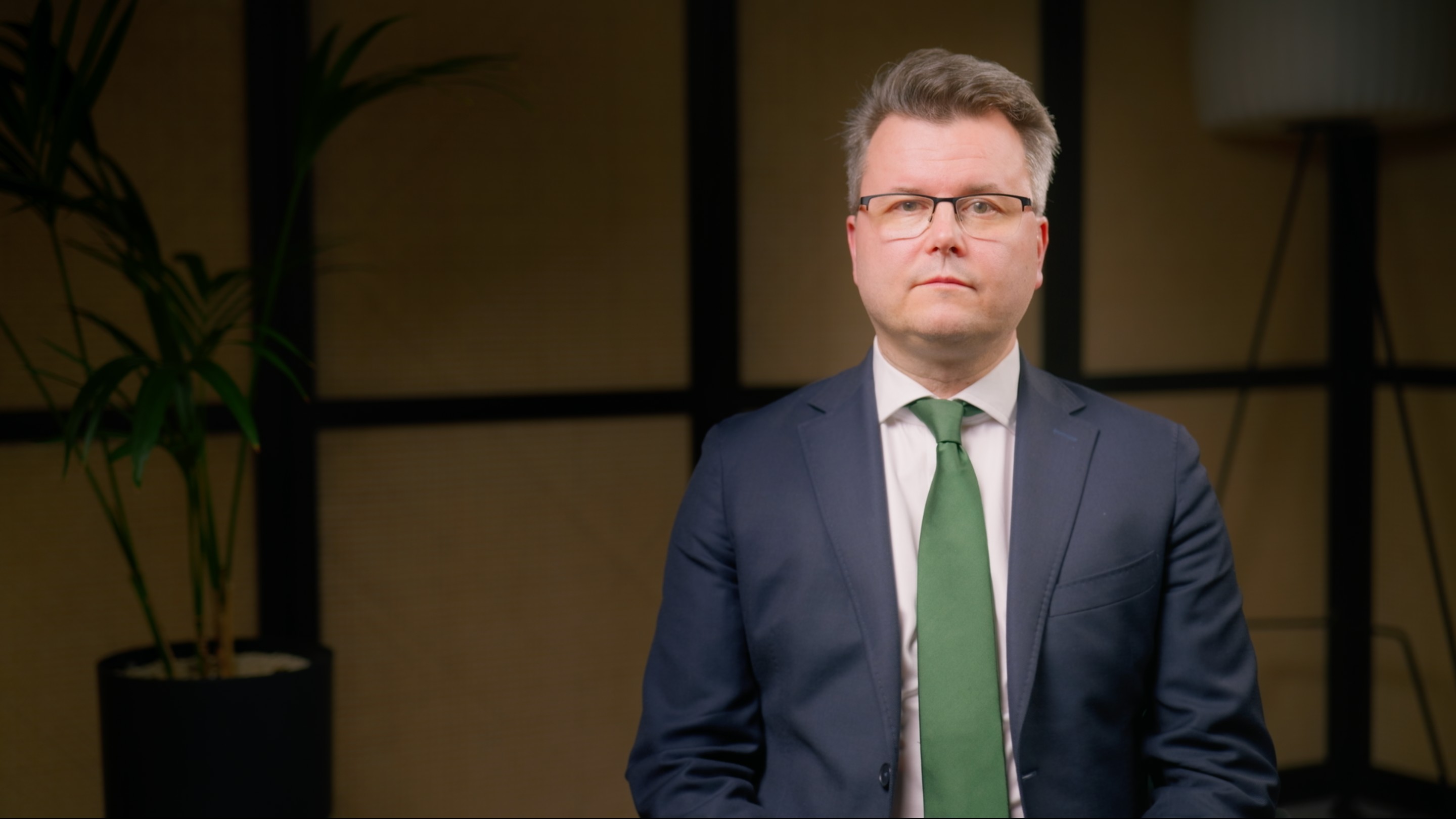
Financing the Climate Transition

10 mins 28 secs

Key learning objectives:

  • Understand how financial institutions approach financing the climate transition

  • Identify how to evaluate the credibility of corporate transition plans

  • Describe the role of transition-enabling value chains in decarbonisation

  • Outline mechanisms to prevent carbon lock-in and align finance with net zero pathways

Overview:

Financing the climate transition requires financial institutions to look beyond green projects and support companies across entire value chains, particularly in hard-to-abate sectors. This involves assessing the credibility of corporate transition plans, directing capital toward transition-enabling industries, and implementing safeguards against carbon lock-in. Danske Bank applies an entity-level approach, placing clients on a spectrum from “transitioned” to “lagging,” to ensure financing aligns with genuine pathways to net zero. By combining scrutiny with support, banks can manage risk, unlock opportunity, and accelerate systemic decarbonisation.

Subscribe to watch

Access this and all of the content on our platform by signing up for a 7-day free trial.

Summary
What does financing the climate transition involve?
Transition finance goes beyond green-labelled projects to consider entire companies and their pathways toward net zero. Financial institutions must provide transparency on how they support corporate clients while ensuring capital is directed to credible strategies. This can involve loans, guarantees, and access to debt and equity markets. 

The goal is to balance environmental responsibility with commercial opportunity, helping companies transform operations and reduce emissions while managing long-term risk.

How do banks assess the credibility of transition plans?
Danske Bank evaluates clients on a four-tier spectrum: transitioned, transitioning, starting transition, and lagging. This approach avoids a binary view and instead tracks progress against sectoral pathways. 

Clients must demonstrate quantifiable targets, credible strategies, and ongoing execution. Poorly performing companies are excluded from transition financing, while those making progress are engaged and supported. 

Regular monitoring allows banks to adjust financing decisions, encourage stronger commitments, and ensure capital flows to entities genuinely adapting their business models.

What role do transition-enabling value chains play?
Transition-enabling value chains provide the technologies and services that allow other sectors to decarbonise. 

Examples include renewable energy, battery technologies, energy storage, and low-carbon transport. Companies across these chains, from mining raw materials to integrating and recycling batteries, are vital for scaling clean solutions. 

These industries not only cut emissions but also create new markets and investment opportunities. Supporting them through targeted finance is essential for accelerating innovation, enabling widespread adoption, and driving both climate progress and economic growth.

What is carbon lock-in, and how can it be avoided?
Carbon lock-in occurs when financing supports high-emission infrastructure that delays the shift to cleaner alternatives. To prevent it, banks can benchmark client targets against external net zero pathways, assess technology readiness, and consider economic viability in credit risk analysis. 

Danske Bank enforces sector-specific exclusions, including no new financing for oil and gas field expansions beyond 2021 approvals, and a phase-out of coal and peat by 2030. Such measures align portfolios with climate goals while protecting against stranded assets and long-term financial risk.

Subscribe to watch

Access this and all of the content on our platform by signing up for a 7-day free trial.

Samu Slotte

Samu Slotte

Samu Slotte is the Global head of Sustainable Finance at Danske Bank. He is passionate about steering economies towards more sustainable business models and his background is from the debt capital markets, where he has over 20 years of experience. Samu's interest in sustainability began when he worked on green bonds and became really keen to explore the climate impacts of finance. Samu also has a degree in Environmental Sciences and is determined to understand and help tackle the issues we are facing existential threats, from both climate change and the loss of biodiversity.

There are no available Videos from "Samu Slotte"