







Featured Pathways

More pathways

The Science of Climate Change

Climate change is no longer a distant threat or just a possibility, it is now a reality for all of us. In this pathway, Kevin Trenberth, a renowned climatologist, delves into the science behind climate change. He first introduces the climate system, its main components and forces.

Tackling the Plastic Crisis

Plastic pollution is by far the biggest threat to our oceans and this remains an incredibly tough problem to solve. Plastic credits could potentially serve as one of the much needed solutions for this crisis.

More pathways

Book a demo

Ready to get started?

Our Platform

Expert led content

+1,000 expert presented, on-demand video modules

Learning analytics

Keep track of learning progress with our comprehensive data

Interactive learning

Engage with our video hotspots and knowledge check-ins

Testing & certification

Gain CPD / CPE credits and professional certification

Managed learning

Build, scale and manage your organisation’s learning

Integrations

Connect Sustainability Unlocked to your current platform

Featured Content

More featured content

The Scale of the Net Zero Challenge

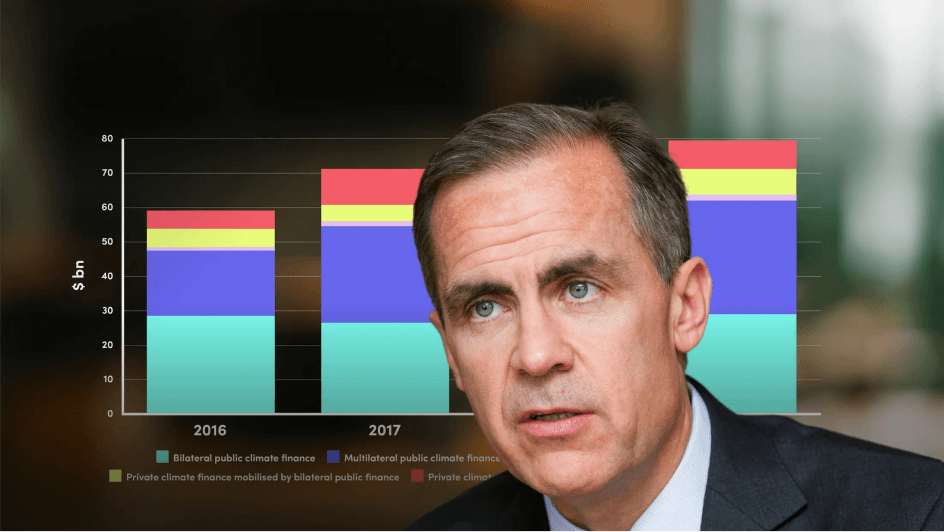
The price of meeting net zero is estimated to be between $100-150 trillion over the next 30 years. Regardless of this cost, we need to reach net zero before climate change does irreversible damage to the environment and the economy.

ESG, Sustainability and Impact Jargon Buster

ESG, sustainability, impact… they all just mean green, right? Not quite. Despite being used often interchangeably, there are distinct differences between these terms.

More featured content

Book a demo

Ready to get started?

Featured Pathways

More pathways

The Science of Climate Change

Climate change is no longer a distant threat or just a possibility, it is now a reality for all of us. In this pathway, Kevin Trenberth, a renowned climatologist, delves into the science behind climate change. He first introduces the climate system, its main components and forces.

Tackling the Plastic Crisis

Plastic pollution is by far the biggest threat to our oceans and this remains an incredibly tough problem to solve. Plastic credits could potentially serve as one of the much needed solutions for this crisis.

More pathways

Book a demo

Ready to get started?

Our Platform

Expert led content

+1,000 expert presented, on-demand video modules

Learning analytics

Keep track of learning progress with our comprehensive data

Interactive learning

Engage with our video hotspots and knowledge check-ins

Testing & certification

Gain CPD / CPE credits and professional certification

Managed learning

Build, scale and manage your organisation’s learning

Integrations

Connect Sustainability Unlocked to your current platform

Featured Content

More featured content

The Scale of the Net Zero Challenge

The price of meeting net zero is estimated to be between $100-150 trillion over the next 30 years. Regardless of this cost, we need to reach net zero before climate change does irreversible damage to the environment and the economy.

ESG, Sustainability and Impact Jargon Buster

ESG, sustainability, impact… they all just mean green, right? Not quite. Despite being used often interchangeably, there are distinct differences between these terms.

More featured content

Book a demo

Ready to get started?

Book a demo

Ready to get started?

Creating an Optimal Learning Environment

Creating an Optimal Learning Environment

Maya Raichoora

Mental Fitness Pioneer

In this video, Maya reveals how the spaces we work and study in can make or break our focus, learning, and productivity. She explains why even the most motivated learner can struggle in a distraction-filled environment and shares the core elements that make a workspace truly effective from lighting and organisation to noise control and intentional design.

In this video, Maya reveals how the spaces we work and study in can make or break our focus, learning, and productivity. She explains why even the most motivated learner can struggle in a distraction-filled environment and shares the core elements that make a workspace truly effective from lighting and organisation to noise control and intentional design.

Subscribe to watch

Access this and all of the content on our platform by signing up for a 7-day free trial.

Creating an Optimal Learning Environment

6 mins 32 secs

Key learning objectives:

  • Understand how your physical and digital environment impacts learning and focus

  • Understand how to identify and eliminate common distractions in a learning space

  • Outline practical techniques to design a personal, effective learning environment

Overview:

A well-structured environment is a powerful enabler of deep focus, effective learning, and long-term productivity. Distractions, whether physical, digital, or social, can significantly reduce concentration and increase the time required to complete tasks. By designing a personalised space that promotes focus, minimises interruptions, and supports consistent study routines, individuals can dramatically improve cognitive performance. Key factors such as lighting, organisation, noise control, and boundary-setting play a critical role. When combined with mindful practices, scheduled breaks, and digital discipline, the right environment fosters clarity, motivation, and resilience, making learning more efficient, sustainable, and rewarding.

Subscribe to watch

Access this and all of the content on our platform by signing up for a 7-day free trial.

Summary
Why is the learning environment such a critical factor in productivity and focus?

Because even the most motivated learner will struggle to concentrate in a space filled with distractions. The environment sets the tone for cognitive engagement, whether that’s through noise levels, lighting, clutter, or interruptions. A purposeful environment helps reduce the cognitive load required to stay on task. Studies show that regaining focus after an interruption can take over 20 minutes, underscoring the cost of distractions. When a space is designed for concentration, the brain more easily enters a state of flow, making learning both more effective and less mentally taxing.

What are the core elements of an effective learning space?

Key elements include quiet, minimal interruptions, good lighting, preferably natural, and a layout that keeps essential materials easily accessible. The space should be tidy, free from unnecessary clutter, and clearly separated from areas associated with relaxation or socialising. It's also important to consider personal preference: some people work best alone, while others benefit from collaborative environments. The common principle is intentionality, designing the space to signal that it is time to focus.

How can learners reduce physical and digital distractions in practice?

Start by removing items from your workspace that aren’t directly related to the task. Inform those around you of your focused periods to avoid interruptions. On the digital side, silence notifications, enable “do not disturb” or focus modes, and close non-essential browser tabs. Establish regular tech-free sessions for deeper work, such as reading or handwritten note-taking. These small shifts cumulatively build an environment where attention is preserved and cognitive energy is protected.

What habits and routines help reinforce an environment that supports learning?

Developing a consistent study schedule, based on times of peak alertness, trains the brain to expect focused activity. Tools like the Pomodoro Technique (25 minutes of work, 5-minute breaks) help maintain energy and reduce fatigue. Supporting habits such as hydration, healthy snacks, short mindfulness practices, and brief breathing exercises can also improve clarity and stress regulation. Over time, these routines make focus habitual, not forced, strengthening both mental performance and emotional resilience.

Subscribe to watch

Access this and all of the content on our platform by signing up for a 7-day free trial.

Maya Raichoora

Maya Raichoora

Maya Raichoora is one of the UK's leading mental fitness and visualisation expert, on a mission to make mental fitness as common as physical fitness. As the CEO and Co-Founder of Remap Mental Fitness, she empowers professionals to achieve mental strength through visualisation. Diagnosed with ulcerative colitis at 15, Maya faced intense physical and emotional challenges. Visualisation transformed her life, and now she’s dedicated to teaching this powerful technique to others. An international speaker and coach, Maya hosts mental fitness events, coaches individuals, and collaborates with global brands. Her talks on mental fitness, mindset, and motivation inspire audiences worldwide.

There are no available Videos from "Maya Raichoora"