






Featured Pathways

More pathways

The Science of Climate Change

Climate change is no longer a distant threat or just a possibility, it is now a reality for all of us. In this pathway, Kevin Trenberth, a renowned climatologist, delves into the science behind climate change. He first introduces the climate system, its main components and forces.

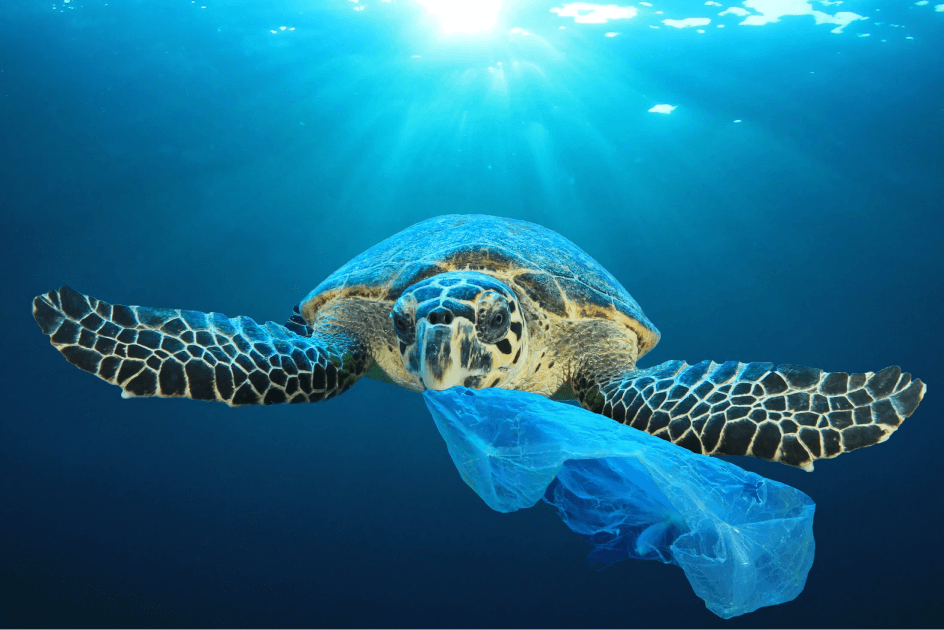
Tackling the Plastic Crisis

Plastic pollution is by far the biggest threat to our oceans and this remains an incredibly tough problem to solve. Plastic credits could potentially serve as one of the much needed solutions for this crisis.

More pathways

Book a demo

Ready to get started?

Our Platform

Expert led content

+1,000 expert presented, on-demand video modules

Learning analytics

Keep track of learning progress with our comprehensive data

Interactive learning

Engage with our video hotspots and knowledge check-ins

Testing & certification

Gain CPD / CPE credits and professional certification

Managed learning

Build, scale and manage your organisation’s learning

Integrations

Connect Sustainability Unlocked to your current platform

Featured Content

More featured content

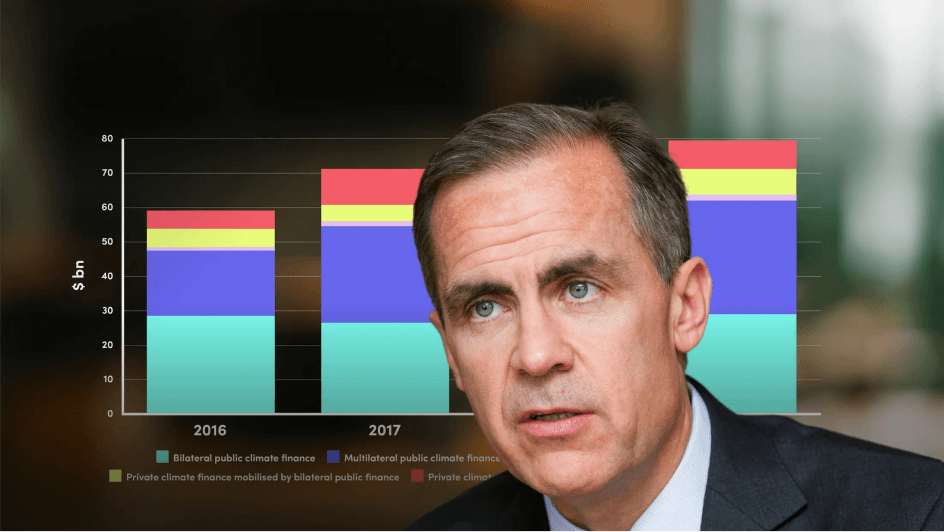
The Scale of the Net Zero Challenge

The price of meeting net zero is estimated to be between $100-150 trillion over the next 30 years. Regardless of this cost, we need to reach net zero before climate change does irreversible damage to the environment and the economy.

ESG, Sustainability and Impact Jargon Buster

ESG, sustainability, impact… they all just mean green, right? Not quite. Despite being used often interchangeably, there are distinct differences between these terms.

More featured content

Book a demo

Ready to get started?

Featured Pathways

More pathways

The Science of Climate Change

Climate change is no longer a distant threat or just a possibility, it is now a reality for all of us. In this pathway, Kevin Trenberth, a renowned climatologist, delves into the science behind climate change. He first introduces the climate system, its main components and forces.

Tackling the Plastic Crisis

Plastic pollution is by far the biggest threat to our oceans and this remains an incredibly tough problem to solve. Plastic credits could potentially serve as one of the much needed solutions for this crisis.

More pathways

Book a demo

Ready to get started?

Our Platform

Expert led content

+1,000 expert presented, on-demand video modules

Learning analytics

Keep track of learning progress with our comprehensive data

Interactive learning

Engage with our video hotspots and knowledge check-ins

Testing & certification

Gain CPD / CPE credits and professional certification

Managed learning

Build, scale and manage your organisation’s learning

Integrations

Connect Sustainability Unlocked to your current platform

Featured Content

More featured content

The Scale of the Net Zero Challenge

The price of meeting net zero is estimated to be between $100-150 trillion over the next 30 years. Regardless of this cost, we need to reach net zero before climate change does irreversible damage to the environment and the economy.

ESG, Sustainability and Impact Jargon Buster

ESG, sustainability, impact… they all just mean green, right? Not quite. Despite being used often interchangeably, there are distinct differences between these terms.

More featured content

Book a demo

Ready to get started?

Book a demo

Ready to get started?

Climate Change Laws, Lawsuits & Action

Climate Change Laws, Lawsuits & Action

Arun Kelshiker

20 years: Asset management and stewardship

In this video, Arun explores how climate governance, legislation, and litigation are driving global climate action. He breaks down the world’s 5,000+ climate laws and policies, examines their impact on emissions and climate justice, and highlights key trends in litigation, including landmark cases like Urgenda and lawsuits against fossil fuel companies.

In this video, Arun explores how climate governance, legislation, and litigation are driving global climate action. He breaks down the world’s 5,000+ climate laws and policies, examines their impact on emissions and climate justice, and highlights key trends in litigation, including landmark cases like Urgenda and lawsuits against fossil fuel companies.

Subscribe to watch

Access this and all of the content on our platform by signing up for a 7-day free trial.

Climate Change Laws, Lawsuits & Action

9 mins 3 secs

Key learning objectives:

  • Understand the scope and categories of global climate laws and policies

  • Identify how climate legislation intersects with wider governance issues, from finance to human rights

  • Outline the role of climate justice and its connection to funding and equity

  • Assess global litigation trends and landmark cases driving accountability

Overview:

Climate governance, legislation, and litigation shape how societies respond to the escalating climate crisis. Over 5,000 climate-related laws and policies now exist, spanning regulation, incentives, investment, education, and governance measures. While national pledges remain far from aligning with global climate goals, mitigation policies have delivered measurable emissions reductions, and debates on climate justice continue to grow. Litigation is expanding rapidly with over 3,100 cases filed worldwide across themes from human rights to greenwashing. Landmark rulings, from Urgenda in the Netherlands to lawsuits against fossil fuel companies in the US, underscore how courts increasingly compel stronger climate action and accountability.

Subscribe to watch

Access this and all of the content on our platform by signing up for a 7-day free trial.

Summary
What types of laws and policies make up global climate governance?

The world’s 5,000+ climate laws and policies cover five main areas: regulations (such as mandatory emissions disclosures), economic incentives (like subsidies and carbon pricing), direct state investment in green projects, information tools for awareness, and governance measures to strengthen institutional capacity. These policies vary from national carbon budgets to conservation laws with climate co-benefits. While policy coverage is broadening into justice, gender, and human rights, implementation often lags behind commitments, leaving most pledges insufficient to meet Paris Agreement temperature goals.

How effective have climate policies been in practice?

In countries with strong legal systems, mitigation-focused legislation has reduced annual CO₂ emissions by 0.8% in the first three years and 1.8% over longer periods. Yet, even with growing policy coverage, the gap between national targets and global temperature goals remains wide. Climate justice debates highlight how vulnerable countries shoulder disproportionate burdens. Funds intended for health and education are redirected into climate responses, and while loss and damage mechanisms such as COP27’s fund represent progress, inadequate financing undermines effectiveness. This reflects a persistent imbalance between ambition, delivery, and fairness in climate action.

What are the global trends in climate litigation?

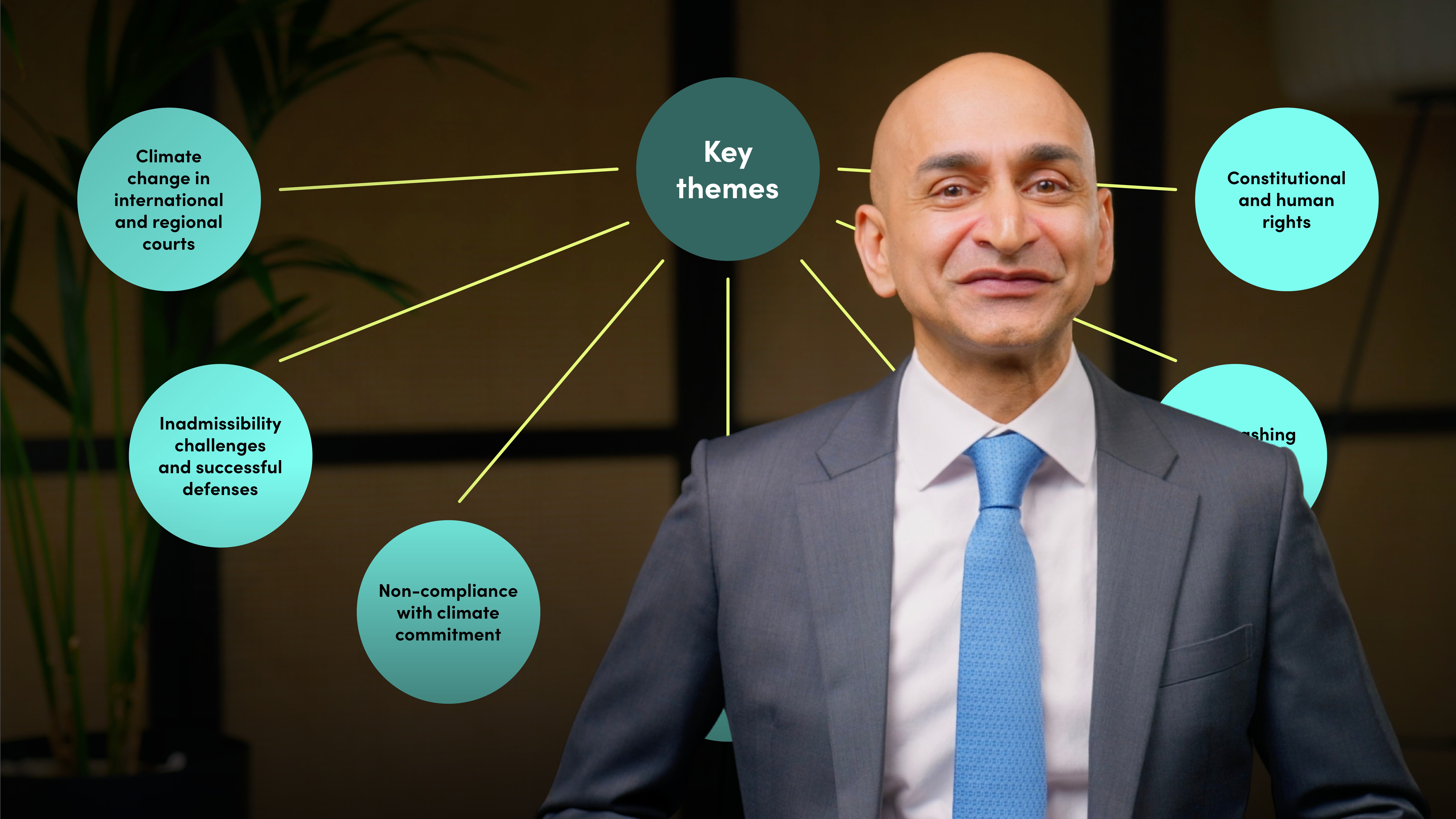
Litigation is becoming a powerful tool for accountability, with over 3,100 cases across 55 jurisdictions and 22 tribunals as of late 2024. Cases span constitutional and human rights, greenwashing, ESG backlash, carbon capture, and non-compliance with commitments. More than half of rulings have favoured stronger climate action. Examples include Urgenda in the Netherlands, which affirmed state responsibility to mitigate risks; Belgium’s courts ruling against inadequate government action; and Chicago’s lawsuit against oil majors for misleading the public. These cases demonstrate how litigation can compel governments and corporations to align with climate obligations.

Why does climate justice remain a central concern?

Climate justice emphasises fairness: those least responsible for climate change often face its harshest consequences. It raises questions of responsibility, reparations, and equity in financing. The “tragedy of the commons” dynamic, where individual interests undermine collective good, persists in global action. The loss and damage fund reflects progress toward justice, but its weak funding undermines credibility. Without adequate resourcing, vulnerable states remain locked into cycles of climate-related hardship, diverting limited budgets away from social development. Bridging this gap is essential for trust, equity, and sustained international cooperation.

Subscribe to watch

Access this and all of the content on our platform by signing up for a 7-day free trial.

Arun Kelshiker

Arun Kelshiker

Arun Kelshiker was formerly the Head of Asset Allocation and Portfolio Strategy at Standard Chartered Bank and part of the bank's Global Investment Committee, where he provided investment advisory and multi-asset portfolio solutions. His focus is now with Cambridge Sustainable Investment Partners, which draws its expertise from the Resilience and Sustainable Development Centre at Cambridge University. He is also a university lecturer at the Frankfurt School of Finance and Management and is Vice Chair of the CFA UK's Inclusion and Diversity Committee and its Investment Committee.

There are no available Videos from "Arun Kelshiker"