







Featured Pathways

More pathways

The Science of Climate Change

Climate change is no longer a distant threat or just a possibility, it is now a reality for all of us. In this pathway, Kevin Trenberth, a renowned climatologist, delves into the science behind climate change. He first introduces the climate system, its main components and forces.

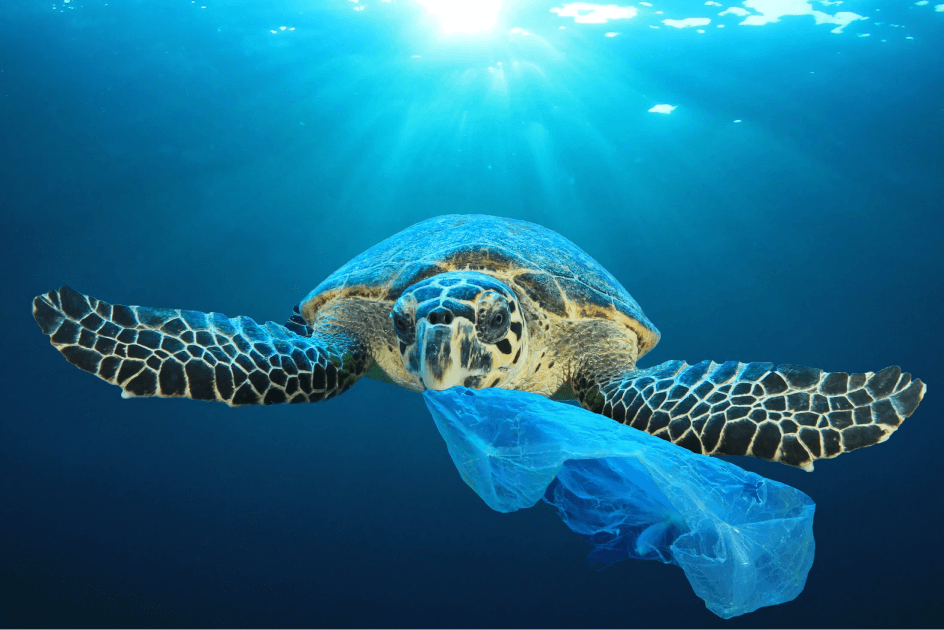
Tackling the Plastic Crisis

Plastic pollution is by far the biggest threat to our oceans and this remains an incredibly tough problem to solve. Plastic credits could potentially serve as one of the much needed solutions for this crisis.

More pathways

Book a demo

Ready to get started?

Our Platform

Expert led content

+1,000 expert presented, on-demand video modules

Learning analytics

Keep track of learning progress with our comprehensive data

Interactive learning

Engage with our video hotspots and knowledge check-ins

Testing & certification

Gain CPD / CPE credits and professional certification

Managed learning

Build, scale and manage your organisation’s learning

Integrations

Connect Sustainability Unlocked to your current platform

Featured Content

More featured content

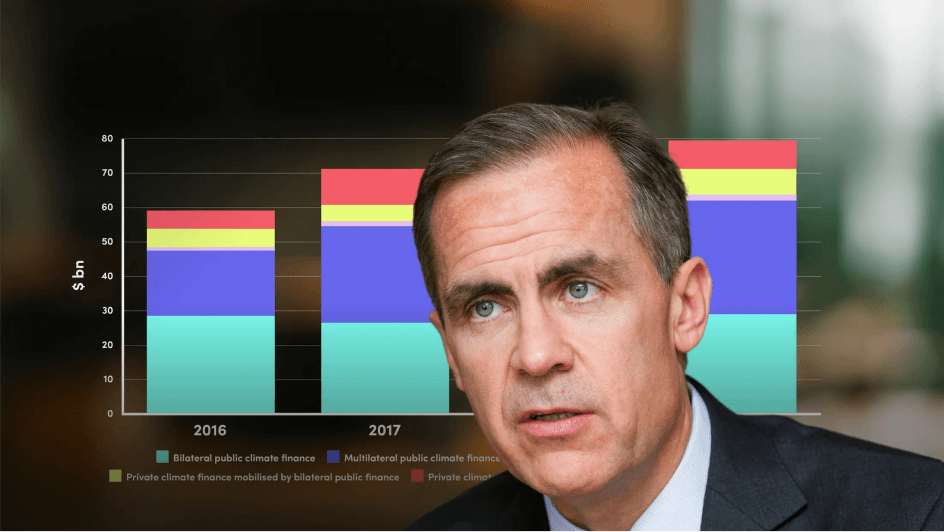
The Scale of the Net Zero Challenge

The price of meeting net zero is estimated to be between $100-150 trillion over the next 30 years. Regardless of this cost, we need to reach net zero before climate change does irreversible damage to the environment and the economy.

ESG, Sustainability and Impact Jargon Buster

ESG, sustainability, impact… they all just mean green, right? Not quite. Despite being used often interchangeably, there are distinct differences between these terms.

More featured content

Book a demo

Ready to get started?

Featured Pathways

More pathways

The Science of Climate Change

Climate change is no longer a distant threat or just a possibility, it is now a reality for all of us. In this pathway, Kevin Trenberth, a renowned climatologist, delves into the science behind climate change. He first introduces the climate system, its main components and forces.

Tackling the Plastic Crisis

Plastic pollution is by far the biggest threat to our oceans and this remains an incredibly tough problem to solve. Plastic credits could potentially serve as one of the much needed solutions for this crisis.

More pathways

Book a demo

Ready to get started?

Our Platform

Expert led content

+1,000 expert presented, on-demand video modules

Learning analytics

Keep track of learning progress with our comprehensive data

Interactive learning

Engage with our video hotspots and knowledge check-ins

Testing & certification

Gain CPD / CPE credits and professional certification

Managed learning

Build, scale and manage your organisation’s learning

Integrations

Connect Sustainability Unlocked to your current platform

Featured Content

More featured content

The Scale of the Net Zero Challenge

The price of meeting net zero is estimated to be between $100-150 trillion over the next 30 years. Regardless of this cost, we need to reach net zero before climate change does irreversible damage to the environment and the economy.

ESG, Sustainability and Impact Jargon Buster

ESG, sustainability, impact… they all just mean green, right? Not quite. Despite being used often interchangeably, there are distinct differences between these terms.

More featured content

Book a demo

Ready to get started?

Book a demo

Ready to get started?

Basic Guide to the EUDR

Basic Guide to the EUDR

André Lippert

CMS: Co-Head of ESG (Germany)

Let's save the forests. Join André Lippert from CMS and discover how the EUDR will reshape global supply chains and learn what your organisation must do now to stay compliant.

Let's save the forests. Join André Lippert from CMS and discover how the EUDR will reshape global supply chains and learn what your organisation must do now to stay compliant.

Subscribe to watch

Access this and all of the content on our platform by signing up for a 7-day free trial.

Basic Guide to the EUDR

11 mins 56 secs

Key learning objectives:

  • Outline the aims of the EUDR

  • Identify which products are covered by the EUDR

  • Understand who the EUDR applies to

  • Outline the due diligence requirements

Overview:

The European Deforestation Regulation (EUDR) aims to ensure that products imported, sold, or exported from the EU are not linked to deforestation or forest degradation. The EUDR applies to a defined list of commodities strongly associated with deforestation which includes cattle, cocoa, coffee, oil palm, soya, wood and rubber. The EUDR applies to anyone involved in placing these products on the EU market, selling them within the EU, or exporting them from the EU.

Subscribe to watch

Access this and all of the content on our platform by signing up for a 7-day free trial.

Summary
What are the aims of the EUDR?
The European Deforestation Regulation (EUDR) aims to ensure that products imported, sold, or exported from the EU are not linked to deforestation or forest degradation. It seeks to curb the EU’s contribution to global forest loss, which has helped drive climate change, biodiversity loss, and negative impacts on communities. The Regulation also intends to promote sustainable, transparent supply chains worldwide. 

Which commodities and products are covered by the EUDR?
The EUDR applies to a defined list of commodities strongly associated with deforestation, as well as many products derived from them. These include cattle, cocoa, coffee, oil palm, soya, wood and rubber. All are listed in Annex I of the Regulation. Packaging is treated carefully, and only fall within scope if they are placed on the EU market or exported as stand-alone items, such as decorative wooden boxes or paperboard cartons sold on their own.

Who does the EUDR apply to?
The EUDR applies to anyone involved in placing these products on the EU market, selling them within the EU, or exporting them from the EU. It distinguishes between operators (those who place products on the EU market for the first time or export them) and traders (those who make already-placed products available within the EU). Applicability does not depend on company size or product volume.

What due diligence requirements must companies meet?
Products must be deforestation-free, produced legally in the country of origin, and supported by a due diligence statement submitted through the EU’s TRACES system. Companies must complete due diligence before placing products on the market or exporting them. The due diligence process involves three key steps:
  1. Collecting information
  2. Conducting risk assessments
  3. Implementing risk mitigation measures

Are there any simplifications for smaller businesses?
Yes. Micro, small, and medium-sized enterprises (SMEs) can benefit from certain simplifications. When processing relevant commodities into other relevant products, SME operators do not need to repeat due diligence if it has already been completed upstream - they only need to provide the reference number of the due diligence statement.

Subscribe to watch

Access this and all of the content on our platform by signing up for a 7-day free trial.

André Lippert

André Lippert

André Lippert is a partner at the law firm CMS Germany and the Co-Head of the German ESG-Group at CMS. He advises companies from a wide range of industries on all aspects of public law compliance and ESG matters in national and European law. This includes compliance with the increasing regulatory requirements related to sustainability, especially the necessary adjustments within the corporate organisation.

There are no available Videos from "André Lippert"