














AXA XL: Introduction to the Energy Transition

AXA XL
AXA XL Learning Adviser
A clear, practical introduction to the energy transition. Understand the technologies, challenges, and system-wide changes shaping the shift to a low-carbon economy and what it means for industry and insurance.

A clear, practical introduction to the energy transition. Understand the technologies, challenges, and system-wide changes shaping the shift to a low-carbon economy and what it means for industry and insurance.
Subscribe to watch
Access this and all of the content on our platform by signing up for a 7-day free trial.
AXA XL: Introduction to the Energy Transition
22 mins 16 secs
Key learning objectives:
Define the energy transition and explain its system-wide implications
Assess the main technologies enabling decarbonisation and their limitations
Analyse the physical and structural challenges of scaling low-emission energy
Explain how insurance enables and accelerates the energy transition
Evaluate how the transition connects to climate strategy, nature, and social inclusion
Overview:
The energy transition is a whole-system transformation reshaping how energy is produced, distributed, and consumed, and it is central to climate action because energy accounts for the majority of global emissions. Renewables are the backbone of the transition, but storage, hydrogen, bioenergy, and carbon capture are all needed to manage intermittency and decarbonise hard-to-abate sectors. The challenge spans physical, financial, and social dimensions: infrastructure must be rebuilt, technologies must scale, and investment must accelerate. Insurance plays a critical enabling role by managing risk and unlocking capital for large-scale deployment. Long-term success requires the transition to be low-carbon, resilient, nature-positive, and socially inclusive.
Subscribe to watch
Access this and all of the content on our platform by signing up for a 7-day free trial.
- Performance gaps: some low-emission technologies currently lag conventional alternatives.
- Integration complexity: variable renewables and storage must be incorporated into grids designed for centralised fossil generation.
- Scale: retrofitting or replacing millions of assets demands coordinated action, long-term planning, and large capital flows.
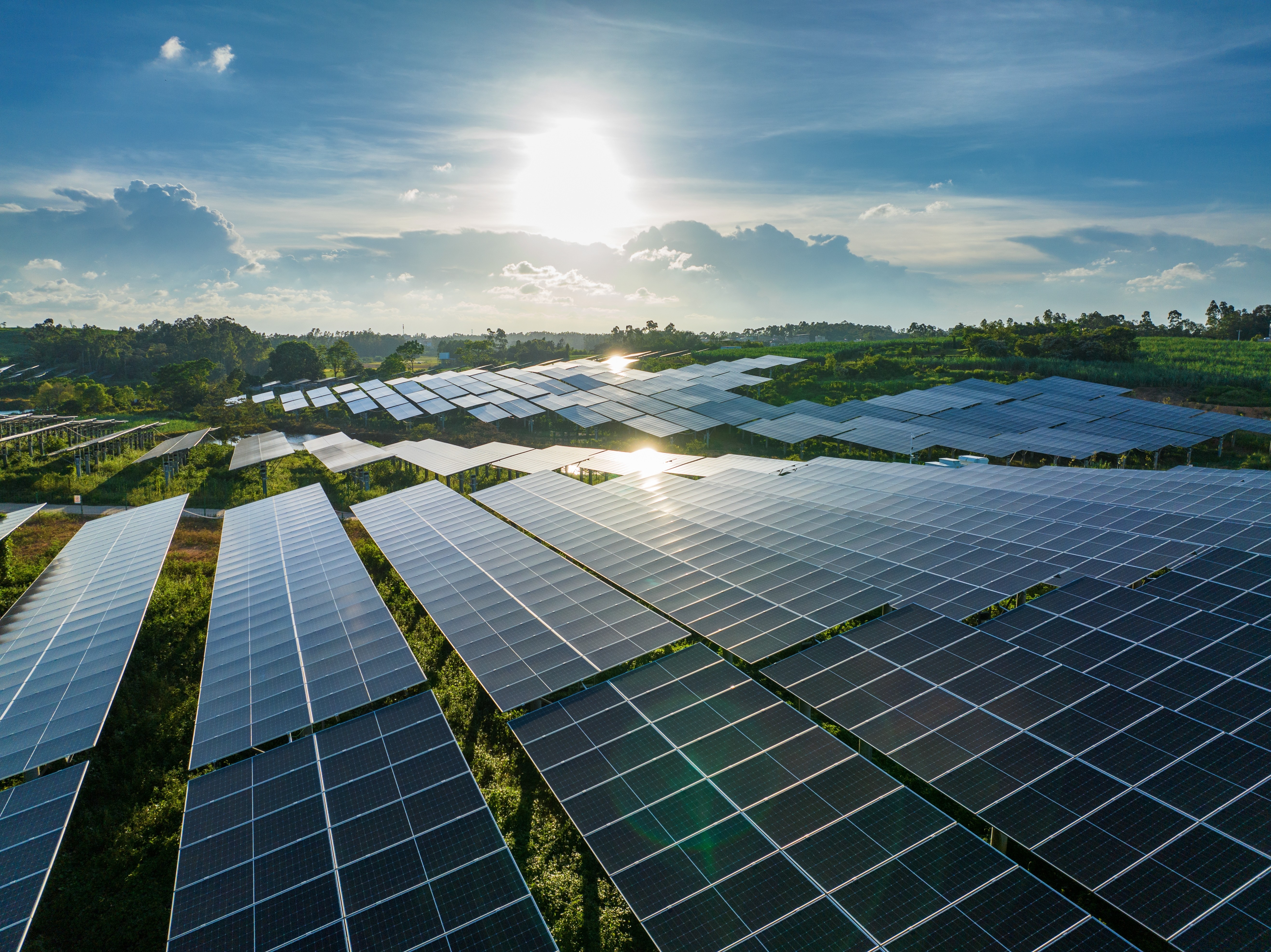
- Solar and wind: now among the lowest-cost electricity sources, but variable in output.
- Battery Energy Storage Systems (BESS): essential to manage intermittency and improve grid reliability.
- Bioenergy: compatible with existing infrastructure and important for transport fuels.
- Hydrogen: promising for hard-to-abate sectors but faces production and transport challenges.
- Carbon Capture, Utilisation and Storage (CCUS): critical for reducing emissions where other options are limited. These technologies form a complementary portfolio rather than a single solution.
Subscribe to watch
Access this and all of the content on our platform by signing up for a 7-day free trial.

There are no available Videos from "AXA XL"