






Featured Pathways

More pathways

The Science of Climate Change

Climate change is no longer a distant threat or just a possibility, it is now a reality for all of us. In this pathway, Kevin Trenberth, a renowned climatologist, delves into the science behind climate change. He first introduces the climate system, its main components and forces.

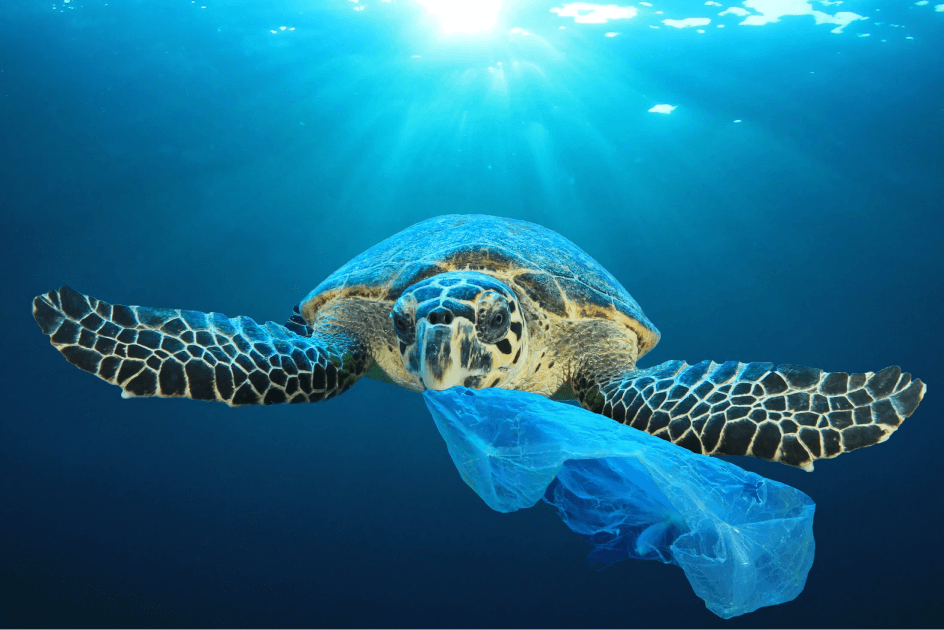
Tackling the Plastic Crisis

Plastic pollution is by far the biggest threat to our oceans and this remains an incredibly tough problem to solve. Plastic credits could potentially serve as one of the much needed solutions for this crisis.

More pathways

Book a demo

Ready to get started?

Our Platform

Expert led content

+1,000 expert presented, on-demand video modules

Learning analytics

Keep track of learning progress with our comprehensive data

Interactive learning

Engage with our video hotspots and knowledge check-ins

Testing & certification

Gain CPD / CPE credits and professional certification

Managed learning

Build, scale and manage your organisation’s learning

Integrations

Connect Sustainability Unlocked to your current platform

Featured Content

More featured content

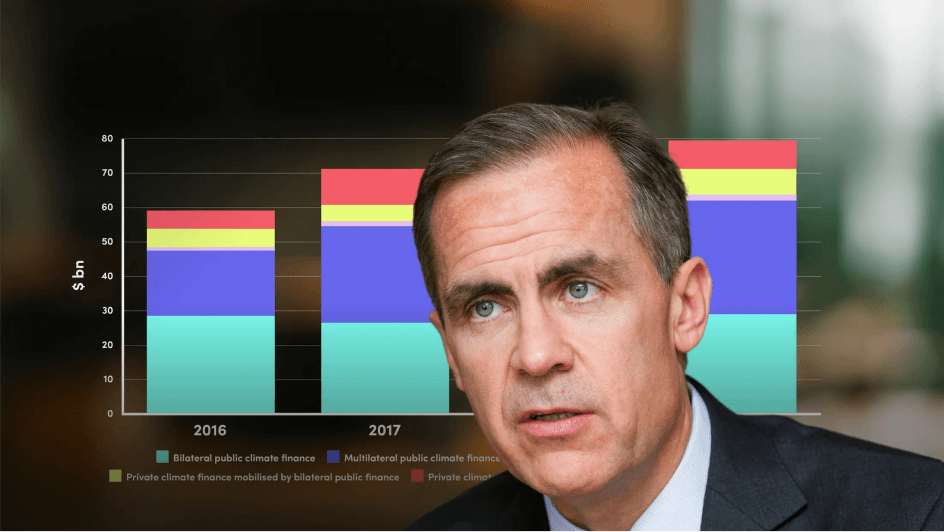
The Scale of the Net Zero Challenge

The price of meeting net zero is estimated to be between $100-150 trillion over the next 30 years. Regardless of this cost, we need to reach net zero before climate change does irreversible damage to the environment and the economy.

ESG, Sustainability and Impact Jargon Buster

ESG, sustainability, impact… they all just mean green, right? Not quite. Despite being used often interchangeably, there are distinct differences between these terms.

More featured content

Book a demo

Ready to get started?

Featured Pathways

More pathways

The Science of Climate Change

Climate change is no longer a distant threat or just a possibility, it is now a reality for all of us. In this pathway, Kevin Trenberth, a renowned climatologist, delves into the science behind climate change. He first introduces the climate system, its main components and forces.

Tackling the Plastic Crisis

Plastic pollution is by far the biggest threat to our oceans and this remains an incredibly tough problem to solve. Plastic credits could potentially serve as one of the much needed solutions for this crisis.

More pathways

Book a demo

Ready to get started?

Our Platform

Expert led content

+1,000 expert presented, on-demand video modules

Learning analytics

Keep track of learning progress with our comprehensive data

Interactive learning

Engage with our video hotspots and knowledge check-ins

Testing & certification

Gain CPD / CPE credits and professional certification

Managed learning

Build, scale and manage your organisation’s learning

Integrations

Connect Sustainability Unlocked to your current platform

Featured Content

More featured content

The Scale of the Net Zero Challenge

The price of meeting net zero is estimated to be between $100-150 trillion over the next 30 years. Regardless of this cost, we need to reach net zero before climate change does irreversible damage to the environment and the economy.

ESG, Sustainability and Impact Jargon Buster

ESG, sustainability, impact… they all just mean green, right? Not quite. Despite being used often interchangeably, there are distinct differences between these terms.

More featured content

Book a demo

Ready to get started?

Book a demo

Ready to get started?

The 4 Tiers of AI Risk

The 4 Tiers of AI Risk

Pete Hannam

Data and AI Systems Architect

Learn how the EU breaks AI down into four tiers of risk and why.

Learn how the EU breaks AI down into four tiers of risk and why.

Subscribe to watch

Access this and all of the content on our platform by signing up for a 7-day free trial.

The 4 Tiers of AI Risk

46 secs

Key learning objectives:

  • Outline the 4 tiers of AI risk

Overview:

Not all AI is created equal. A chatbot helping with customer service isn’t the same as an algorithm deciding someone’s loan approval. The EU AI Act recognises this. That’s why it sorts AI into risk tiers. Unacceptable risk is at the top of the risk pyramid. High-risk comes next, followed by limited risk and lastly, minimal risk. 

Subscribe to watch

Access this and all of the content on our platform by signing up for a 7-day free trial.

Summary
What are the 4 tiers of AI risk under the EU AI Act?
  • Unacceptable risk: These AI systems are completely banned. The EU considers them fundamentally incompatible with European values and rights.
  • High risk: These systems can operate but only after meeting significant requirements, such as extensive documentation, rigorous testing, and ongoing monitoring. 
  • Limited risk: These systems mainly require transparency. It's about preventing deception, not preventing operation.
  • Minimal risk: This covers most AI applications and faces virtually no new requirements under the Act.

Subscribe to watch

Access this and all of the content on our platform by signing up for a 7-day free trial.

Pete Hannam

Pete Hannam

Pete Hannam has over twenty years’ experience building large-scale data platforms, including those that now underpin modern AI systems. His work has ranged from national security infrastructure processing hundreds of billions of records to global enterprise platforms supporting tens of thousands of users. He has architected AI-ready systems for government, consultancies, and enterprises, with a strong focus on governance, security, and regulatory compliance. His work emphasises that successful AI deployment depends not only on technology, but on understanding the organisational, technical, and regulatory context that enables AI initiatives to deliver real value.

There are no available Videos from "Pete Hannam"