Featured Pathways

More pathways

The Science of Climate Change

Climate change is no longer a distant threat or just a possibility, it is now a reality for all of us. In this pathway, Kevin Trenberth, a renowned climatologist, delves into the science behind climate change. He first introduces the climate system, its main components and forces.

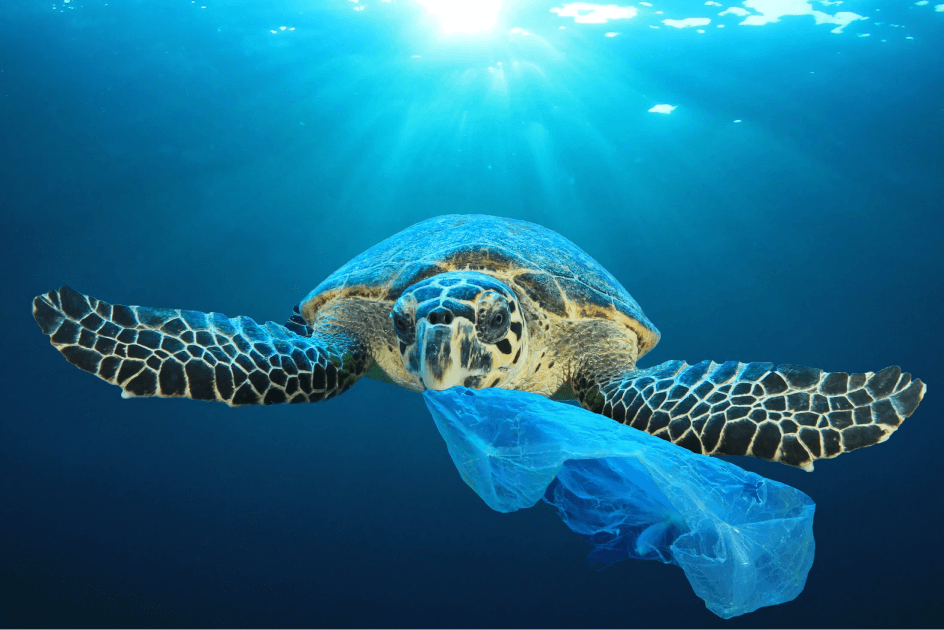
Tackling the Plastic Crisis

Plastic pollution is by far the biggest threat to our oceans and this remains an incredibly tough problem to solve. Plastic credits could potentially serve as one of the much needed solutions for this crisis.

More pathways

Book a demo

Ready to get started?

Our Platform

Expert led content

+1,000 expert presented, on-demand video modules

Learning analytics

Keep track of learning progress with our comprehensive data

Interactive learning

Engage with our video hotspots and knowledge check-ins

Testing & certification

Gain CPD / CPE credits and professional certification

Managed learning

Build, scale and manage your organisation’s learning

Integrations

Connect Sustainability Unlocked to your current platform

Featured Content

More featured content

The Scale of the Net Zero Challenge

The price of meeting net zero is estimated to be between $100-150 trillion over the next 30 years. Regardless of this cost, we need to reach net zero before climate change does irreversible damage to the environment and the economy.

ESG, Sustainability and Impact Jargon Buster

ESG, sustainability, impact… they all just mean green, right? Not quite. Despite being used often interchangeably, there are distinct differences between these terms.

More featured content

Book a demo

Ready to get started?

Featured Pathways

More pathways

The Science of Climate Change

Climate change is no longer a distant threat or just a possibility, it is now a reality for all of us. In this pathway, Kevin Trenberth, a renowned climatologist, delves into the science behind climate change. He first introduces the climate system, its main components and forces.

Tackling the Plastic Crisis

Plastic pollution is by far the biggest threat to our oceans and this remains an incredibly tough problem to solve. Plastic credits could potentially serve as one of the much needed solutions for this crisis.

More pathways

Book a demo

Ready to get started?

Our Platform

Expert led content

+1,000 expert presented, on-demand video modules

Learning analytics

Keep track of learning progress with our comprehensive data

Interactive learning

Engage with our video hotspots and knowledge check-ins

Testing & certification

Gain CPD / CPE credits and professional certification

Managed learning

Build, scale and manage your organisation’s learning

Integrations

Connect Sustainability Unlocked to your current platform

Featured Content

More featured content

The Scale of the Net Zero Challenge

The price of meeting net zero is estimated to be between $100-150 trillion over the next 30 years. Regardless of this cost, we need to reach net zero before climate change does irreversible damage to the environment and the economy.

ESG, Sustainability and Impact Jargon Buster

ESG, sustainability, impact… they all just mean green, right? Not quite. Despite being used often interchangeably, there are distinct differences between these terms.

More featured content

Book a demo

Ready to get started?

Book a demo

Ready to get started?

Net Zero

Net Zero

Glossary

Net Zero

Reviewed by Maria Coronado Robles, Sustainability Content Principal at xUnlocked · Last updated July 2026 Net zero is the state in which the amount of greenhouse gas an organisation, country or activity adds to the atmosphere is balanced by the amount removed from it — either by cutting emissions directly or by permanently removing an equivalent amount through natural or engineered means. It's not the same as zero emissions: net zero allows for a small residual level of emissions from activities that are currently hard to fully decarbonise, as long as they're matched by genuine, verifiable removals. According to the IPCC-aligned pathway that underpins most national and corporate targets, the world needs to reach net zero CO2 emissions in the early 2050s to have a realistic chance of limiting global warming to near 1.5°C, with all greenhouse gases following roughly two decades later. Momentum behind the target is real: at least 1,935 entities worldwide — including 137 of 198 national governments and 63% of the Forbes Global 2000 — now have net zero targets, up from just 769 in December 2020.

How is net zero different from carbon neutral?

The terms are often used interchangeably, but they're not identical. Carbon neutral typically refers to balancing carbon dioxide emissions specifically, often using purchased offsets, and can apply to a single product, event or year. Net zero is a broader, more rigorous standard: it covers all greenhouse gases (not just CO2), is generally expected to prioritise direct emissions cuts over offsetting, and is usually set as a long-term, economy-wide or company-wide target rather than a one-off claim. Regulators and standard-setters increasingly treat "net zero" as the higher bar of the two.

How do organisations actually reach net zero?

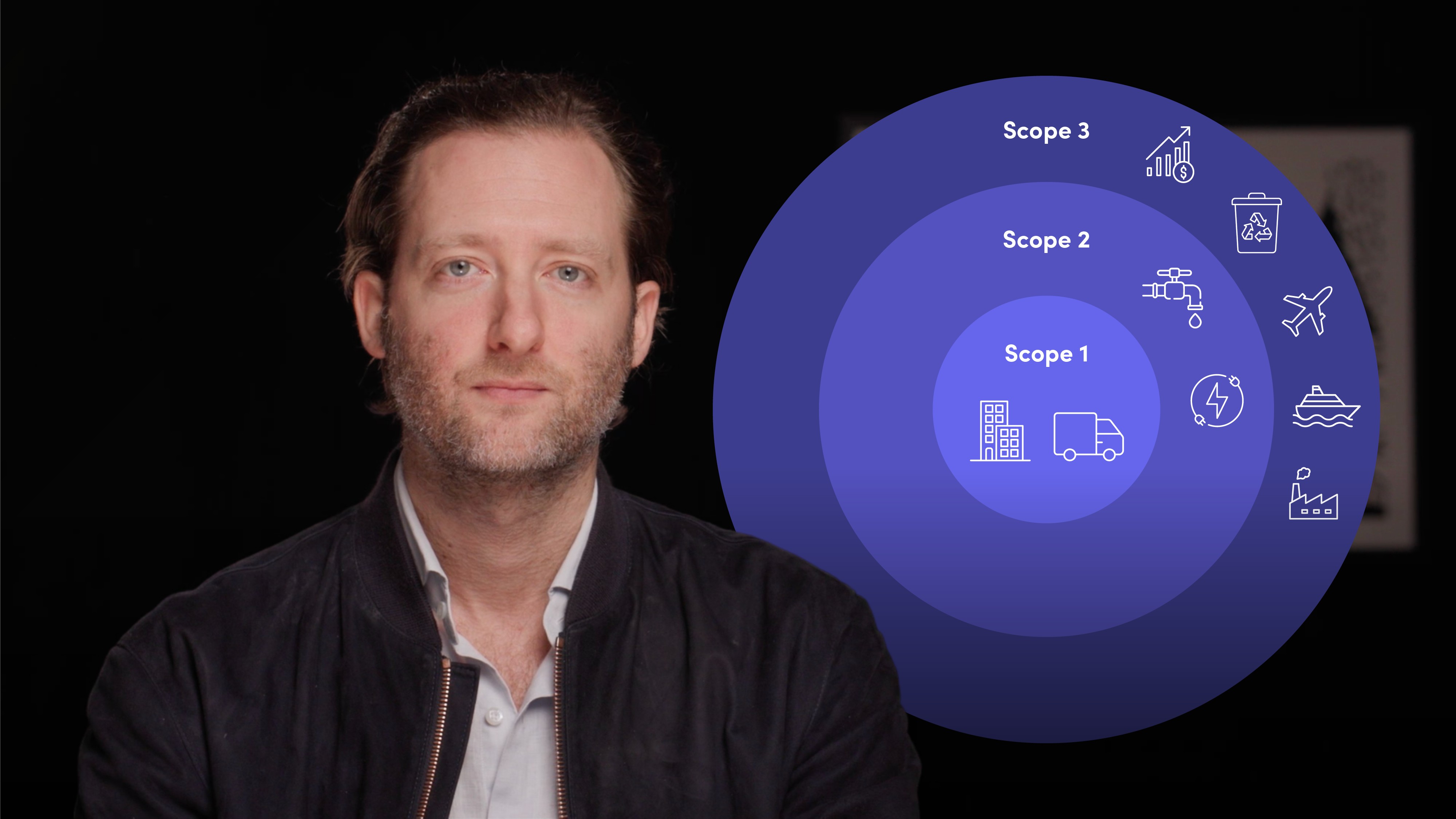
Credible net zero strategies generally follow a "reduce first, then remove" hierarchy. Organisations first cut emissions across their direct operations (scope 1), purchased energy (scope 2), and their wider value chain (scope 3) — through measures like electrification, energy efficiency and supply chain changes — since deep, direct reductions are the foundation of any credible plan. Only the emissions that remain genuinely hard to eliminate with current technology are then addressed through high-quality carbon removals, which take carbon out of the atmosphere permanently, as opposed to offsets that merely avoid or reduce emissions elsewhere.

How credible are net zero targets in practice?

Target-setting has grown fast, but target quality hasn't kept pace. Just 7% of companies, 6.5% of regions and 4% of cities with net zero targets currently meet all minimum criteria for a credible plan — meaning most published targets still lack the detail, interim milestones or accountability mechanisms needed to be relied upon. Nearly one in three Forbes Global 2000 companies with a net zero target has no accompanying delivery plan at all. That gap between ambition and credibility is exactly why the details behind a net zero claim matter as much as the claim itself, and it's a large part of what regulators, investors and standards bodies like the Science Based Targets initiative (SBTi) are now trying to close.
For a business-focused walkthrough of why net zero matters and how organisations approach it, see Introduction to Net Zero, a video module presented by Oliver Bolton. For a deeper look at the economics behind global net zero pathways, see Modelling the Path to Net Zero, presented by Amit Kara.

Frequently asked questions

Is net zero the same as zero emissions?
No. Zero emissions means an activity produces no greenhouse gases at all. Net zero allows for some residual emissions — typically from sources that are currently difficult to eliminate entirely, like certain industrial processes or long-haul aviation — provided they're balanced by an equivalent amount of genuine, verified carbon removal. In practice, almost no credible net zero pathway requires literally zero emissions; it requires the balance to reach zero.

What's the difference between net zero and carbon neutral?
Carbon neutral usually covers CO2 only, can apply narrowly (a single product or event), and has historically relied heavily on offsetting. Net zero covers all greenhouse gases, is typically a long-term, whole-organisation or whole-economy target, and expects direct emissions reductions to come first, with removals reserved for genuinely residual emissions. Regulators in several markets, including the EU, are now tightening rules around loose use of "carbon neutral" language specifically because it's seen as the weaker, less rigorous of the two claims.

Why do so many net zero targets lack credible plans?
Setting a target is easier than building the operational, financial and governance plan to deliver it — which is why headline commitments have grown far faster than the detailed roadmaps behind them. According to the Net Zero Tracker's 2025 assessment, nearly one in three Forbes Global 2000 companies with a net zero target has no accompanying delivery plan, and fewer than one in ten companies overall meet all minimum integrity criteria for a credible target. This gap is a key reason frameworks like the SBTi exist: to give targets a verifiable standard to be measured against.

Related terms

Related Video Modules

Introduction to Net Zero
Sector-Wide Essentials
Foundational