What are the different forms of greenwashing?
Product-level claims. Vague or unsubstantiated labels on packaging and marketing — "eco-friendly," "natural," "sustainable" — used without a clear standard or evidence behind them.
Corporate-level claims. Broader positioning in annual reports, advertising or public commitments that overstates an organisation's overall environmental performance or progress relative to what it's actually doing operationally.
Financial and investment greenwashing. Funds, bonds or financial products marketed as "green," "ESG" or "sustainable" where the underlying use of capital isn't genuinely green, isn't adequately measured, or can't be independently verified — the specific problem this glossary entry originally focused on, and still a major regulatory priority given how directly it can mislead investors.
Forward-looking claims. Commitments like "net zero by 2030" made without a credible, evidenced plan behind them — a category regulators are increasingly scrutinising as closely as claims about the present.
Why does greenwashing matter to investors and organisations?
Beyond reputational risk, greenwashing has a direct financial dimension. Professional investors have flagged the risk of a "green valuation bubble" — where a business's value is inflated by unverified ESG claims, creating exposure to a sharp correction if those claims are later challenged. That's part of why disclosure regulation has moved fast: the EU's Sustainable Finance Disclosure Regulation (SFDR) already compels professional investors to report plainly on how investee businesses measure up against ESG standards.
How is greenwashing being regulated?
Regulation is tightening, though the picture is uneven. The EU's proposed Green Claims Directive — which would have required mandatory third-party verification for environmental claims — was effectively paused by the European Commission in June 2025 after political disagreement over its scope. But a separate, already-binding law fills much of the gap: the Empowering Consumers for the Green Transition Directive (ECGT), in force since March 2024, will from 27 September 2026 ban generic environmental claims made without proof of genuinely superior environmental performance, and ban product-level "climate neutral" or "CO2 neutral" claims based purely on carbon offsetting. Businesses making green claims into the EU market — including non-EU companies selling to EU consumers — have a defined compliance deadline to work back from, even without the broader Green Claims Directive in force.
For a deeper walkthrough of how greenwashing became a business-critical issue, and how regulators and investors are responding, see
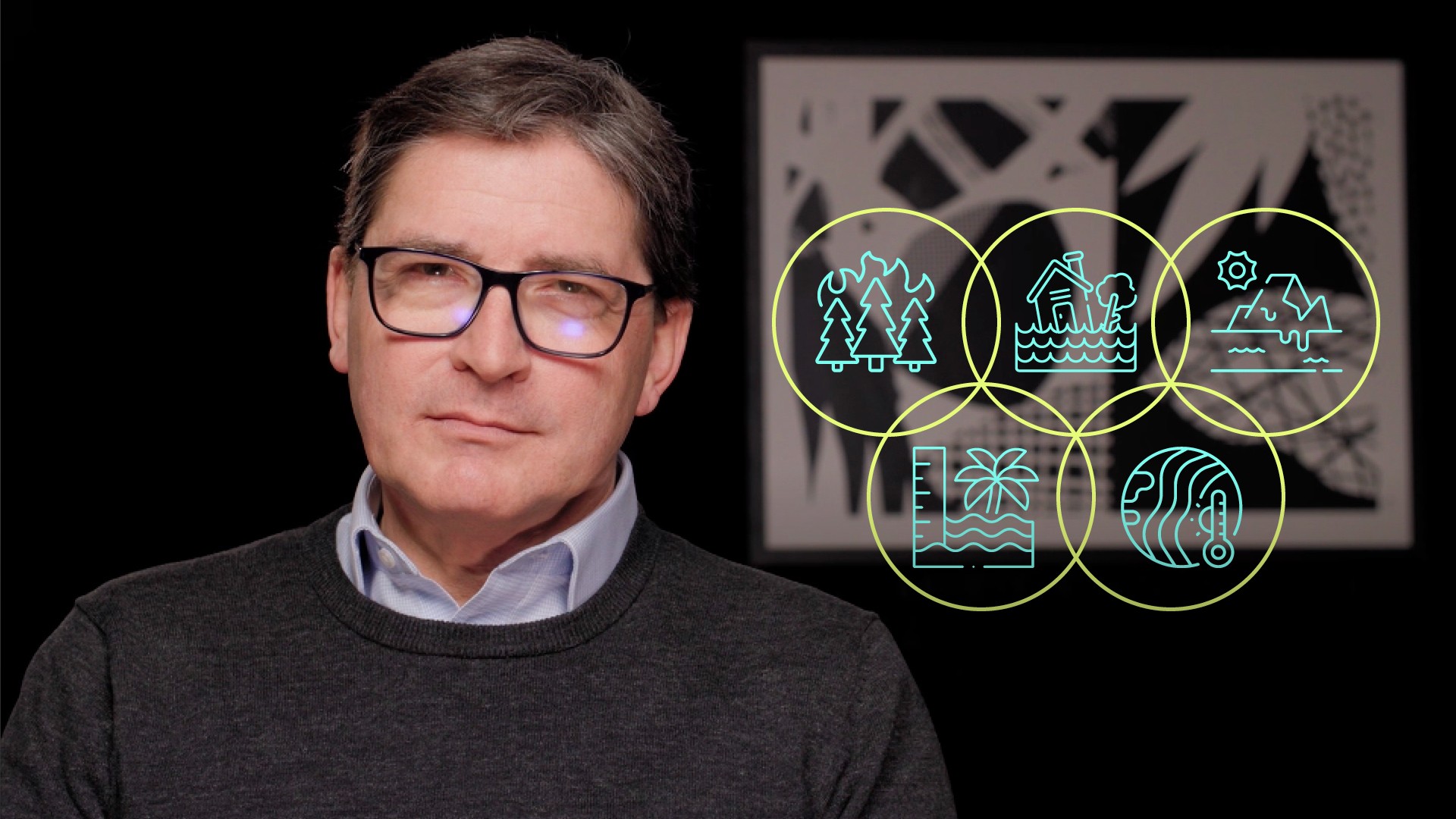
Why Greenwashing Became a Problem, a video module presented by Roger Miles, Behavioural Science and Conduct Expert.
Frequently asked questions
What's the difference between greenwashing and legitimate green marketing?
Legitimate green claims are specific, evidenced and verifiable — for example, "packaging made of 30% recycled plastic," backed by supply chain data. Greenwashing uses vague or unsubstantiated language — "eco-friendly," "green," "sustainable" — that sounds similar but can't be independently checked, or overstates genuine progress. The distinction regulators increasingly draw is whether a claim can be substantiated with clear, science-based evidence, not how the claim is worded.
Will the EU Green Claims Directive still happen?
It's uncertain. The European Commission announced its intention to withdraw the proposal in June 2025 after the European Parliament and Council failed to agree on scope, particularly whether small businesses should be covered. The file hasn't been formally terminated and Parliament has said it's open to resuming talks, but for now it's paused. Separately, the Empowering Consumers for the Green Transition Directive (ECGT) is already law and takes effect on generic and offset-based claims from September 2026, regardless of what happens to the Green Claims Directive.
What is a "green valuation bubble"?
It's the risk that a company or fund's market value becomes inflated because investors are pricing in ESG credentials that turn out to be exaggerated or unverified. If those claims are later challenged or corrected, the value built on them can unwind quickly — giving investors, not just regulators or consumers, a direct financial reason to scrutinise green claims rather than take them at face value.