Featured Pathways

More pathways

The Science of Climate Change

Climate change is no longer a distant threat or just a possibility, it is now a reality for all of us. In this pathway, Kevin Trenberth, a renowned climatologist, delves into the science behind climate change. He first introduces the climate system, its main components and forces.

Tackling the Plastic Crisis

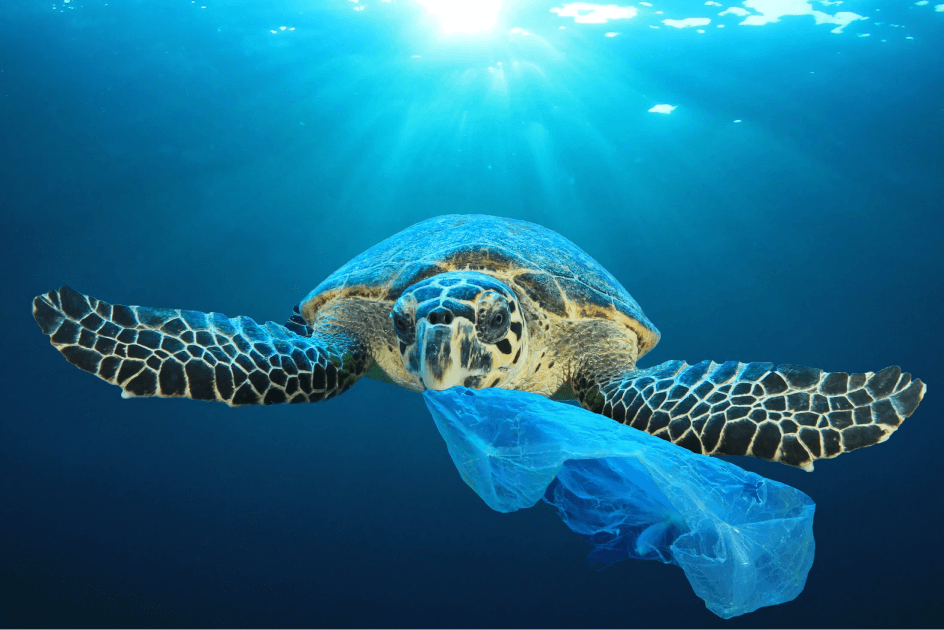
Plastic pollution is by far the biggest threat to our oceans and this remains an incredibly tough problem to solve. Plastic credits could potentially serve as one of the much needed solutions for this crisis.

More pathways

Book a demo

Ready to get started?

Our Platform

Expert led content

+1,000 expert presented, on-demand video modules

Learning analytics

Keep track of learning progress with our comprehensive data

Interactive learning

Engage with our video hotspots and knowledge check-ins

Testing & certification

Gain CPD / CPE credits and professional certification

Managed learning

Build, scale and manage your organisation’s learning

Integrations

Connect Sustainability Unlocked to your current platform

Featured Content

More featured content

The Scale of the Net Zero Challenge

The price of meeting net zero is estimated to be between $100-150 trillion over the next 30 years. Regardless of this cost, we need to reach net zero before climate change does irreversible damage to the environment and the economy.

ESG, Sustainability and Impact Jargon Buster

ESG, sustainability, impact… they all just mean green, right? Not quite. Despite being used often interchangeably, there are distinct differences between these terms.

More featured content

Book a demo

Ready to get started?

Featured Pathways

More pathways

The Science of Climate Change

Climate change is no longer a distant threat or just a possibility, it is now a reality for all of us. In this pathway, Kevin Trenberth, a renowned climatologist, delves into the science behind climate change. He first introduces the climate system, its main components and forces.

Tackling the Plastic Crisis

Plastic pollution is by far the biggest threat to our oceans and this remains an incredibly tough problem to solve. Plastic credits could potentially serve as one of the much needed solutions for this crisis.

More pathways

Book a demo

Ready to get started?

Our Platform

Expert led content

+1,000 expert presented, on-demand video modules

Learning analytics

Keep track of learning progress with our comprehensive data

Interactive learning

Engage with our video hotspots and knowledge check-ins

Testing & certification

Gain CPD / CPE credits and professional certification

Managed learning

Build, scale and manage your organisation’s learning

Integrations

Connect Sustainability Unlocked to your current platform

Featured Content

More featured content

The Scale of the Net Zero Challenge

The price of meeting net zero is estimated to be between $100-150 trillion over the next 30 years. Regardless of this cost, we need to reach net zero before climate change does irreversible damage to the environment and the economy.

ESG, Sustainability and Impact Jargon Buster

ESG, sustainability, impact… they all just mean green, right? Not quite. Despite being used often interchangeably, there are distinct differences between these terms.

More featured content

Book a demo

Ready to get started?

Book a demo

Ready to get started?

Green Information and Communication Technology (ICT)

Green Information and Communication Technology (ICT)

Glossary

Green Information and Communication Technology (ICT)

Reviewed by Maria Coronado Robles, Sustainability Content Principal at xUnlocked · Last updated July 2026 Green Information and Communication Technology (Green ICT) refers to the use and development of information and communication technologies which minimise environmental impact, improve energy efficiency, and promote sustainability. It includes improving the energy efficiency of digital infrastructure, extending the lifespan of devices, reducing electronic waste, and using digital technologies to help organisations lower emissions and use resources more efficiently. ICT spans everything from how data centers are powered to how software is written, and it matters more each year: the ICT sector accounts for an estimated 1.5% to 4% of global greenhouse gas emissions, according to the International Telecommunication Union (ITU) — a footprint larger than international aviation, and one that needs to fall 45% by 2030 to stay aligned with a 1.5°C pathway.

What are the core components of Green ICT?

Energy-efficient data centers. Data centers are one of the largest single sources of ICT-related emissions. Green ICT approaches include improving cooling efficiency (measured via Power Usage Effectiveness, or PUE), siting facilities near renewable power, and using workload management to reduce idle capacity.

Life-cycle and e-waste management. This covers the environmental impact of hardware from manufacturing through disposal. It's a growing problem: the world generated 62 million tonnes of e-waste in 2022, up 82% since 2010, and only 22.3% of it was documented as properly collected and recycled, per the UN/ITU Global E-waste Monitor 2024. Green ICT practices here include extending device lifespans, designing for repairability, and formal e-waste recycling programmes.

Software efficiency. Inefficient code and architecture directly increase the compute (and therefore energy) needed to run a given task. Green software practices include optimising algorithms, right-sizing cloud infrastructure, and reducing unnecessary data storage and transfer.

Enablement. Beyond reducing ICT's own footprint, digital tools can cut emissions elsewhere in the economy — telecommuting reducing commuting emissions, smart grids improving energy distribution, or IoT sensors optimising industrial energy use. This "enablement effect" is often as significant as the sector's direct footprint, though it's harder to measure consistently.

For a closer look at how one part of the ICT sector is addressing its footprint, see Reducing the Impact of SaaS Emissions, a video module presented by Elisa Moscolin.

Frequently asked questions

How much of global emissions come from the ICT sector?
Estimates from the International Telecommunication Union put the ICT sector's share of global greenhouse gas emissions at 1.5% to 4%, a figure that exceeds emissions from international aviation. To stay aligned with a 1.5°C warming limit, the sector needs to cut emissions by 45% by 2030.

What's the difference between Green ICT and Green IT?
The terms are largely used interchangeably. "Green IT" is sometimes used more narrowly to describe internal enterprise computing (servers, laptops, data centers), while "Green ICT" more explicitly includes telecommunications infrastructure and networks. In practice, most organisations use the two terms to mean the same thing.

Related terms

Related Video Modules