What are the key drivers of the energy transition?
Falling renewable costs and rising deployment. Solar PV and wind have gone from niche to mainstream because their costs have fallen faster than almost any other energy technology in history, making them cost-competitive with fossil fuels in most markets — which is why they now account for the majority of new power capacity added worldwide each year.
Policy and regulation. Frameworks like the EU's Green Deal, the US Inflation Reduction Act, and national net-zero commitments create the demand certainty and investment incentives that let capital-intensive energy infrastructure get built. Corporate and financial disclosure rules — from CSRD to TCFD-aligned reporting — are increasingly pricing transition risk into how businesses plan and raise capital.
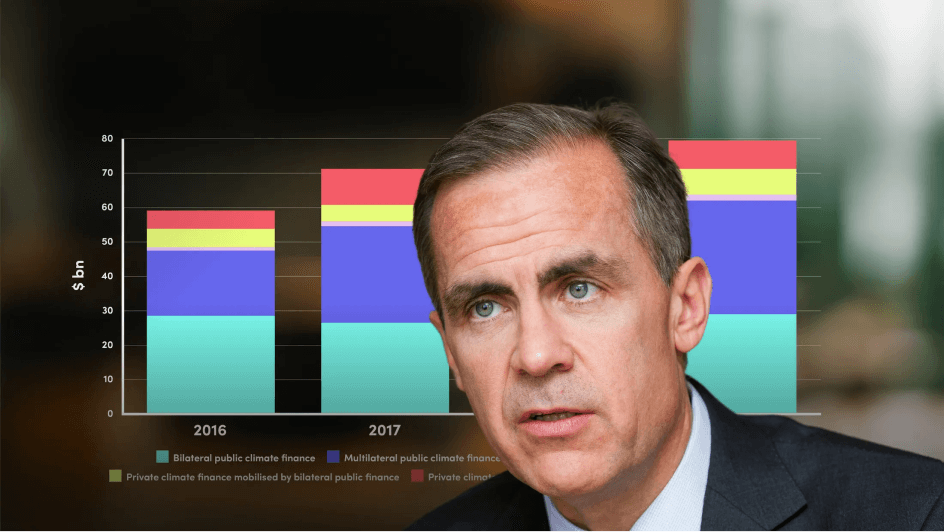
Capital flows. Global investment in energy transition technologies hit a record $2.4 trillion in 2024, up 20% on 2022/23 levels, per IRENA and the Climate Policy Initiative — a sign that the transition is now as much a capital allocation story as an engineering one.
Electrification. As transport, heating and industrial processes shift from burning fuel on-site to running on electricity, the carbon intensity of that electricity — and therefore the pace of power-sector decarbonisation — becomes the single biggest lever for cutting emissions economy-wide.
What are the biggest challenges to the energy transition
Uneven investment. Despite record global capital flows, 90% of energy transition investment remains concentrated in advanced economies and China, per IRENA — leaving emerging and developing economies, often most exposed to climate risk, without the financing to build low-carbon infrastructure at pace.
Grid and storage infrastructure. Renewable generation is variable by nature, so integrating it at scale depends on grid capacity, transmission buildout and storage — all of which are expanding more slowly than generation itself in many markets, creating bottlenecks that can stall otherwise-ready projects.
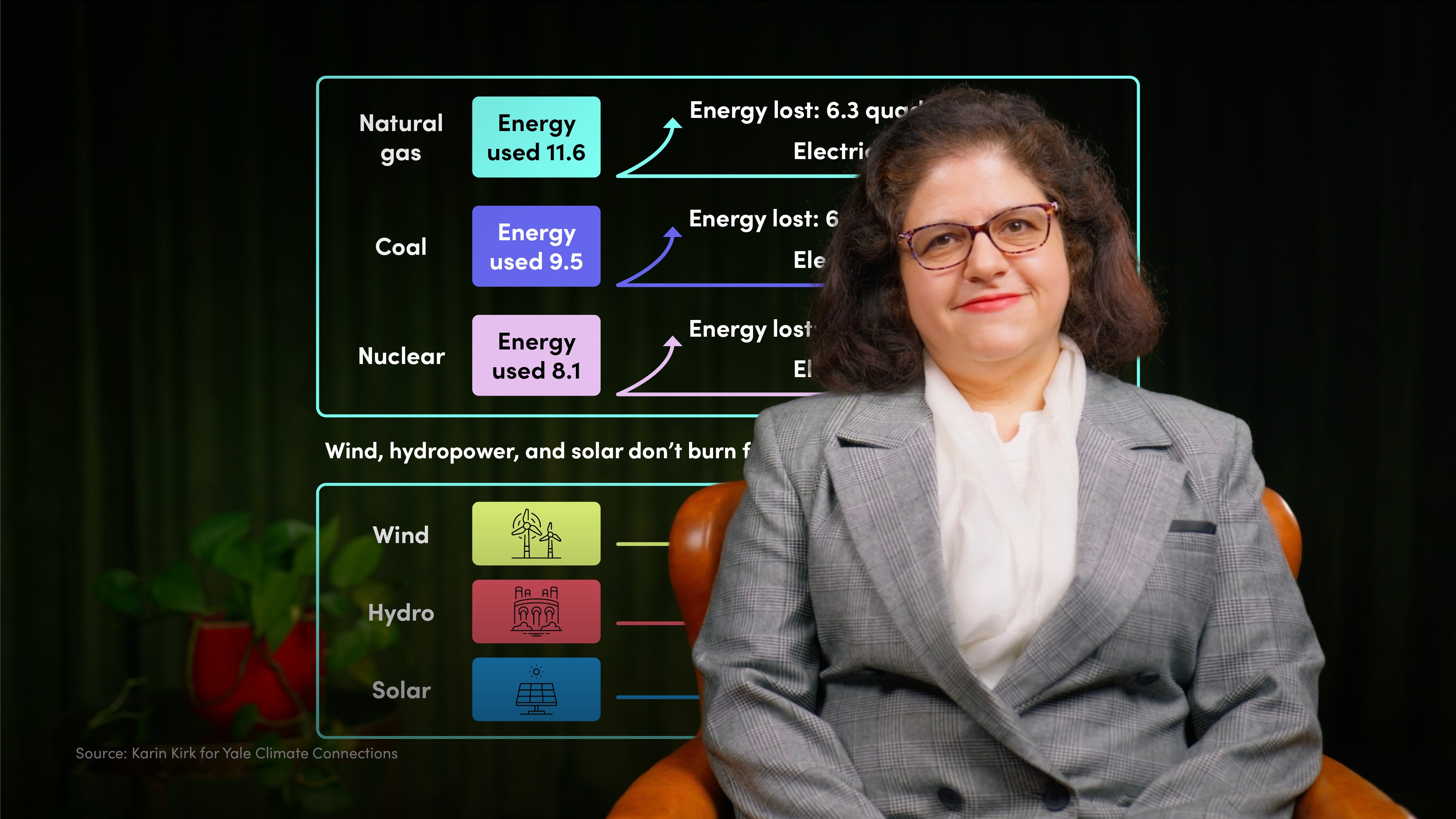
Land availability and use. Solar and wind both require significant land area, and suitable sites are often scarce or contested — in Germany, for instance, only around 9% of land is considered suitable for wind development, and in Italy, less than 1% is available for solar without restriction. Rising land prices, permitting constraints and local public opposition add further friction, and even lower-footprint technologies like nuclear still require new transmission infrastructure — power lines and pipelines — that faces its own siting challenges.
Critical mineral supply chains. Technologies like batteries, solar panels and wind turbines depend on lithium, cobalt and copper, whose extraction and processing are geographically concentrated and carry their own environmental and social risks — meaning the transition's supply chains need managing as carefully as its emissions.
Sector-specific difficulty. Not every sector electrifies easily. Heavy industry, aviation and shipping remain hard to decarbonise with current technology, and continue to rely on emerging solutions like green hydrogen and sustainable fuels that are not yet cost-competitive at scale.
For a closer look at the land-use and infrastructure side of this challenge, see How Land Is Holding up the Energy Transition, a video
module presented by Olivia Oddi.
Frequently asked questions
How is the energy transition different from decarbonisation?
Decarbonisation is the broader goal of reducing carbon emissions across any part of the economy, by any means — including efficiency gains, behaviour change or carbon removal. The energy transition is the specific, structural shift in how energy itself is produced and consumed — from fossil fuels to renewable and low-carbon sources — that underpins most decarbonisation progress, since energy production is the largest single source of global emissions.
What role does electrification play in the energy transition?
Electrification — replacing direct fossil fuel use in vehicles, heating and industrial processes with electric alternatives — is one of the transition's main delivery mechanisms. It only reduces emissions to the extent that the electricity supplying it is itself low-carbon, which is why power-sector decarbonisation and electrification are treated as two halves of the same shift rather than separate trends.
Why is land use a barrier to the energy transition?
Renewable generation needs physical space in a way fossil fuel plants generally don't — solar and wind farms require large areas relative to their output, and that land is often also wanted for agriculture, housing or conservation. Combined with permitting delays, rising land prices and local opposition to new developments, land availability has become one of the practical bottlenecks slowing deployment, even in markets with strong policy support and available capital.
Is the energy transition on track to meet climate targets?
Progress is real but uneven: renewables now supply a growing share of electricity generation and investment has hit record levels, but the IRENA/CPI analysis found 2024 investment growth slowing to 7.3%, down from 32% the year before, and well short of what's needed to stay aligned with a 1.5°C pathway. The direction is clear; the pace, particularly outside advanced economies and China, is the open question.