













Glossary
BiodiversityEcosystem Conservation
Reviewed by Maria Coronado Robles, Sustainability Content Principal at xUnlocked · Last updated July 2026 Ecosystem conservation is the protection, management, and restoration of ecosystems, intended to maintain their structure, function, and the biodiversity they support. This approach recognises the interdependence of species and their habitats, as well as the importance of ecosystem services for human well-being. Ecosystem conservation strategies can include the establishment of protected areas, habitat restoration, and the integration of biodiversity conservation into land-use planning and resource management.
Why does ecosystem conservation matter?
Ecosystems underpin the services organisations and economies depend on: clean water, pollination, flood defence, soil fertility, and carbon storage. When ecosystems degrade, those services degrade with them — a risk regulators are increasingly asking companies to account for. Frameworks such as the Taskforce on Nature-related Financial Disclosures (TNFD) now expect organisations to assess and disclose their dependencies and impacts on nature, alongside existing climate disclosure requirements like the CSRD. For sustainability professionals, ecosystem conservation is no longer a standalone environmental issue — it's a materiality question that touches supply chains, land use, and long-term resilience planning.
What are the core ecosystem conservation strategies?
Protected areas. Designating land or marine areas — national parks, nature reserves, marine protected areas — where human activity is restricted to preserve existing ecosystem structure and biodiversity. This remains the most established conservation lever, though effectiveness depends heavily on enforcement and funding.
Habitat restoration. Actively rebuilding degraded ecosystems — reforestation, wetland rehabilitation, peatland rewetting — to recover the ecosystem services and biodiversity that were lost. Restoration is increasingly central to corporate net zero and nature-positive commitments, since healthy ecosystems also act as carbon sinks.
Land-use integration. Embedding biodiversity conservation into land-use planning and resource management, rather than treating conservation as separate from development, agriculture, or infrastructure. This includes practices like sustainable forestry, regenerative agriculture, and biodiversity net gain requirements in planning policy.
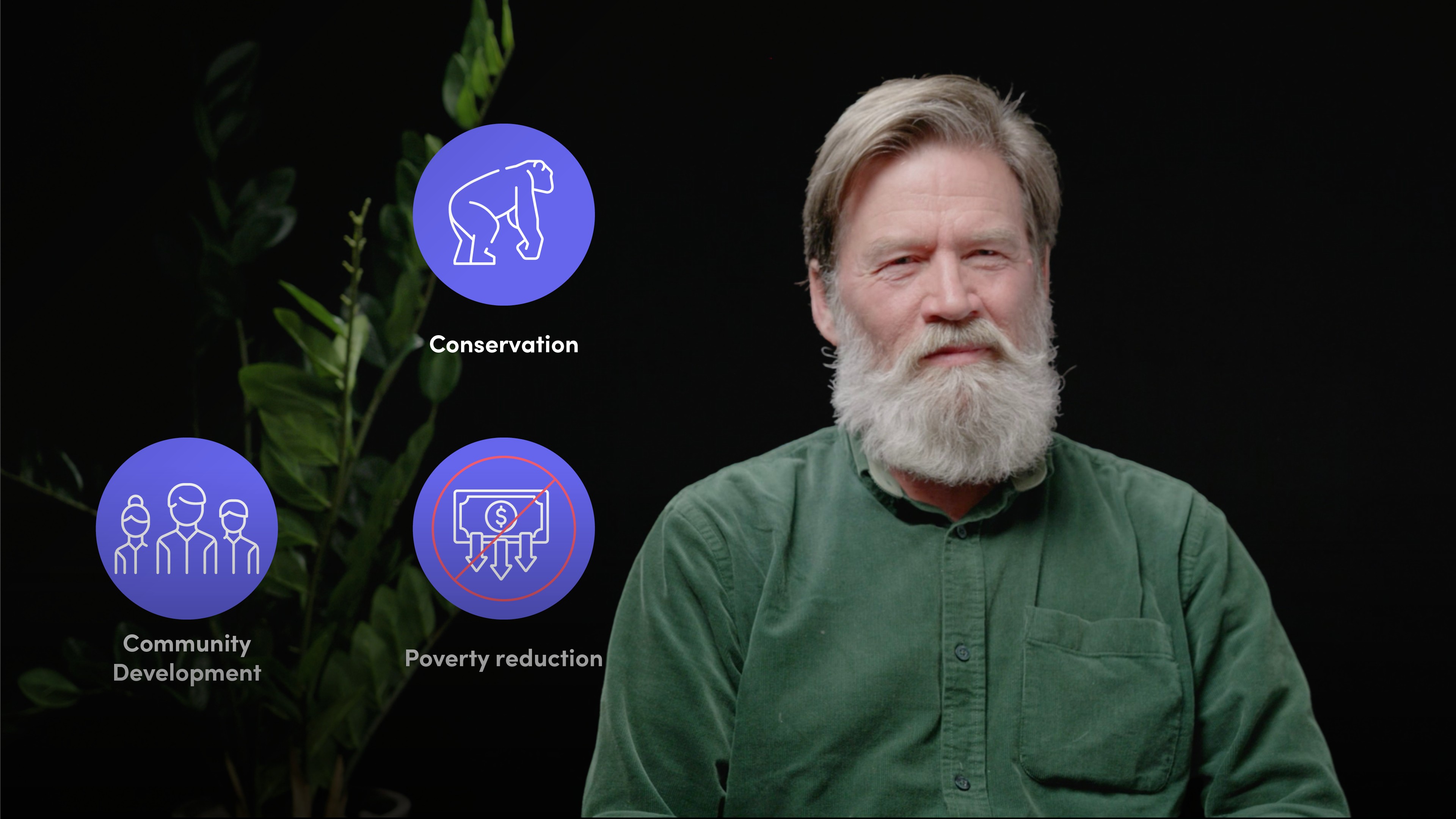
For a closer look at whether today's conservation efforts go far enough, see The Importance of Ecosystem Services, a video module presented by Ian Redmond, which questions whether organisations like the IUCN and REDD+ — focused on species protection and deforestation reduction — are addressing the bigger picture: protecting the ecological processes ecosystems depend on, through mechanisms like payment for ecosystem services.
Frequently asked questions
How does ecosystem conservation differ from biodiversity conservation?
Biodiversity conservation focuses specifically on protecting the variety of species and genetic diversity within them. Ecosystem conservation is broader: it protects the whole system — species, habitats, and the physical and ecological processes that connect them. Biodiversity conservation is typically one outcome of effective ecosystem conservation, rather than a separate discipline.
What are examples of ecosystem conservation strategies?
Common examples include establishing protected areas and marine reserves, restoring degraded habitats such as forests, wetlands, and peatlands, integrating biodiversity safeguards into land-use and planning decisions, and embedding nature-related risk into corporate sustainability and supply chain strategy.