















The FEAST Framework I

Christian Hunt
Behavioural Science Expert
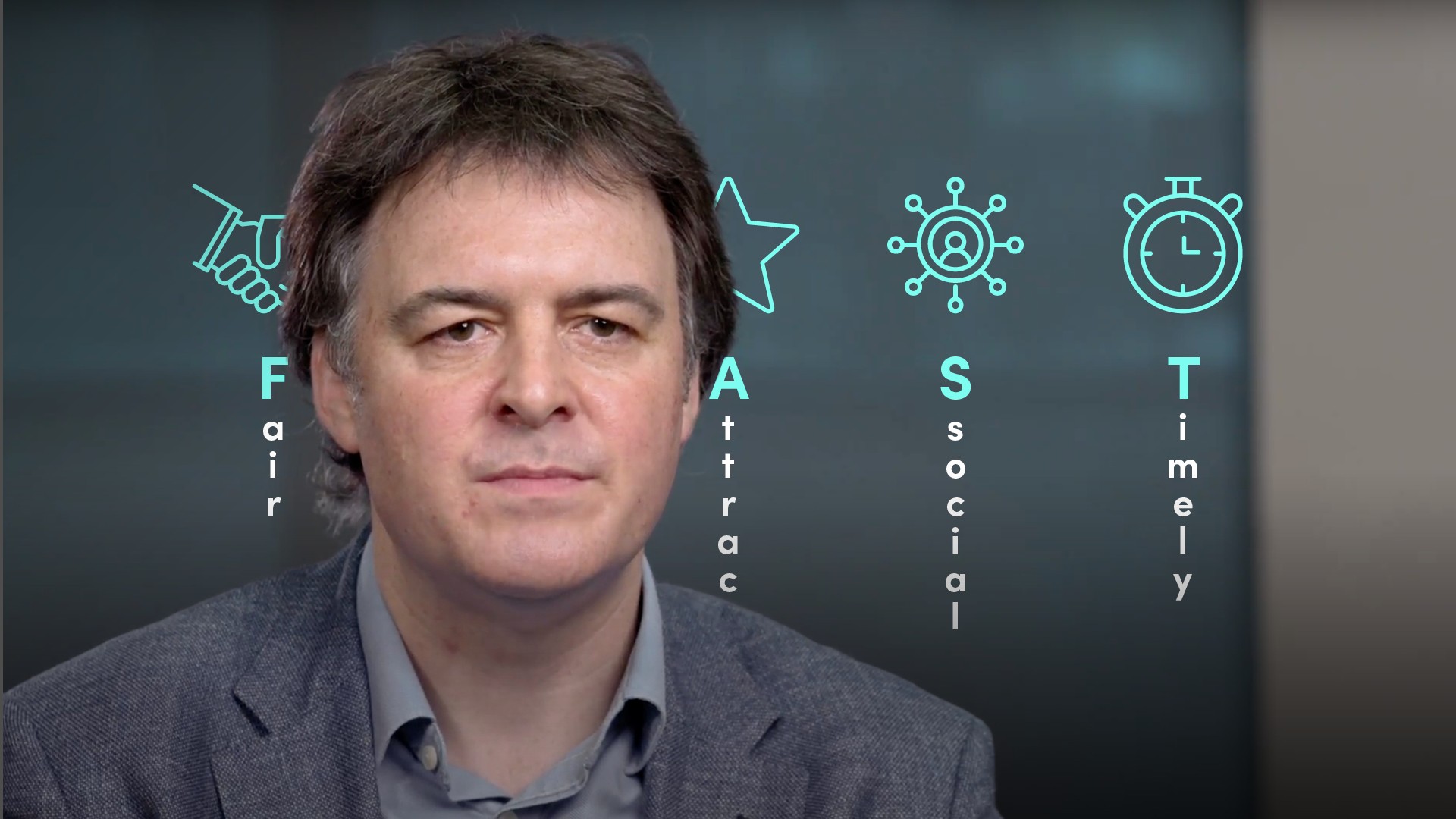
In the third video to this series, Christian introduces the FEAST framework, identifying the components behind it, and how they can be used to influence behaviour.

In the third video to this series, Christian introduces the FEAST framework, identifying the components behind it, and how they can be used to influence behaviour.
Subscribe to watch
Access this and all of the content on our platform by signing up for a 7-day free trial.
The FEAST Framework I
9 mins 46 secs
Key learning objectives:
Identify the five components of the FEAST framework and how they influence behaviour
Apply FEAST to design more effective behavioural interventions
Use FEAST to analyse how interventions can influence people's decisions and actions
Overview:
To deploy Behavioural Science (BeSci) effectively, we need to understand the drivers of human behaviour. These are varied and complex, but often highly predictable. By using a simple framework, based around the word FEAST, we can understand what the key drivers are, and how we can influence them.
Subscribe to watch
Access this and all of the content on our platform by signing up for a 7-day free trial.
What is the Behavioural Insights Team?
The Behavioural Insights Team (‘BIT’) are a social-purpose company, originally set up by the UK Government in 2010 to deploy BeSci across the public sector. If you live in the UK, the chances are that you’ve seen a campaign that BIT has been involved in creating.
BIT developed the original EAST framework, on which the FEAST framework that is explained in these videos is based.
What does ‘Fair’ mean in the context of the FEAST framework?
The FEAST Framework begins with the concept of ‘Fairness’. To ensure that our target audience doesn’t feel manipulated, it is essential to reflect on whether what we are trying to persuade them to do is fair. Not just from our perspective, but also theirs.
What does ‘Easy’ mean in the context of the FEAST framework?
The easier we make something, the more likely it is that our target audience will do it. Conversely, if we want to discourage people from doing something, then making it harder, makes it less likely that they will do it.
Subscribe to watch
Access this and all of the content on our platform by signing up for a 7-day free trial.

Christian Hunt
There are no available Videos from "Christian Hunt"